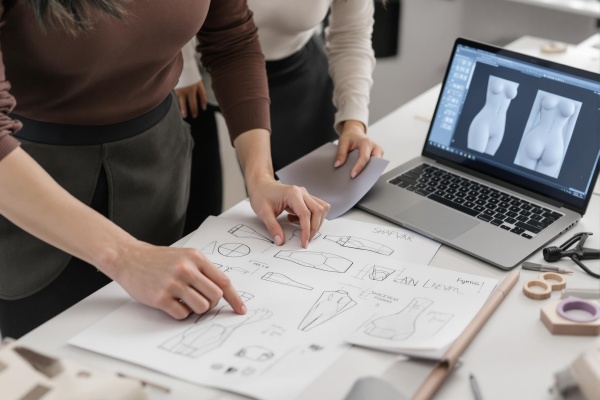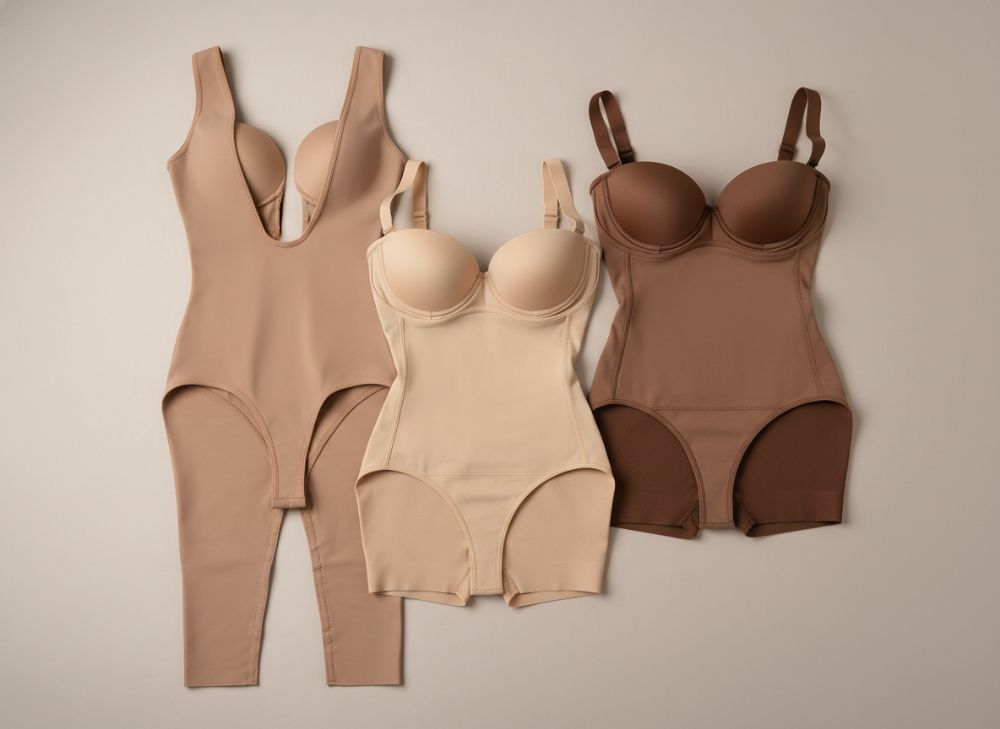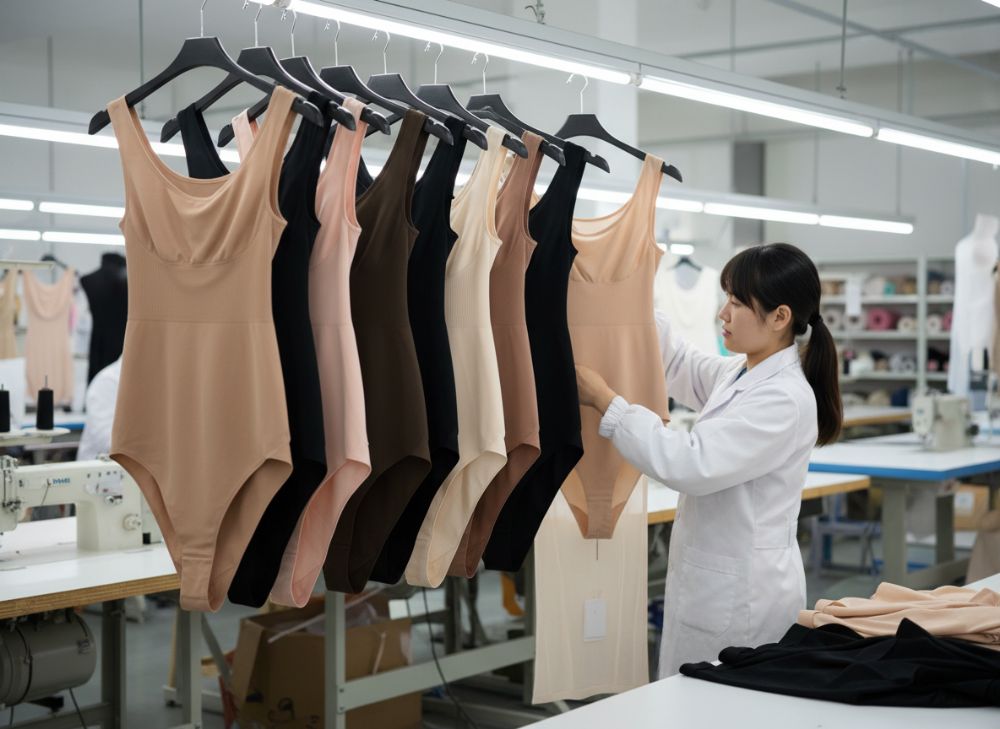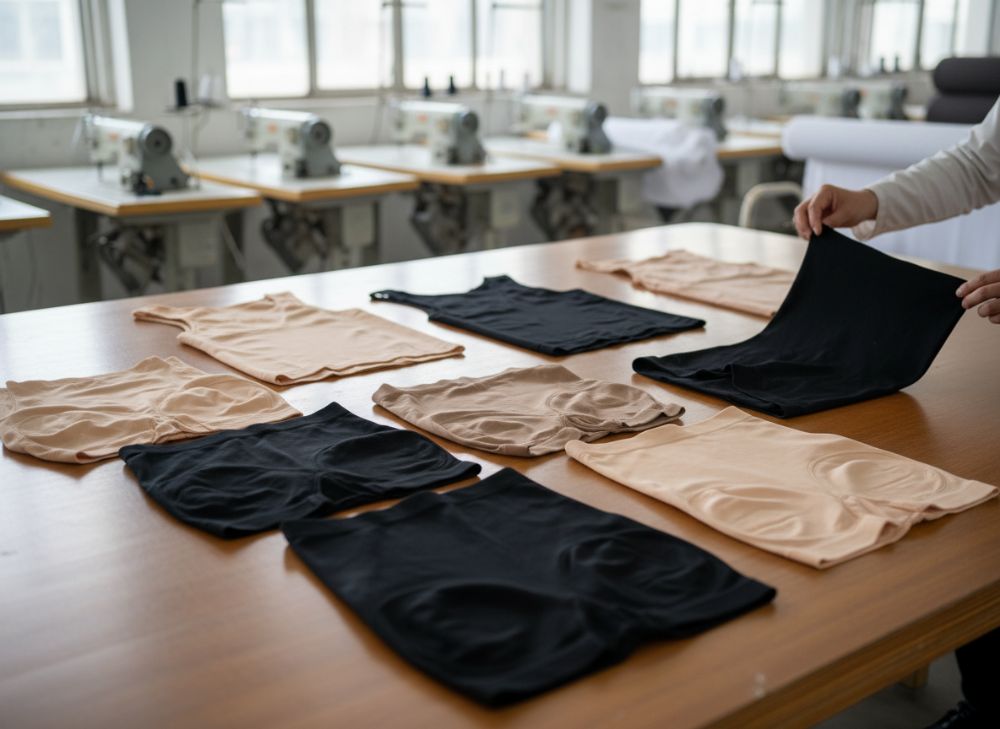
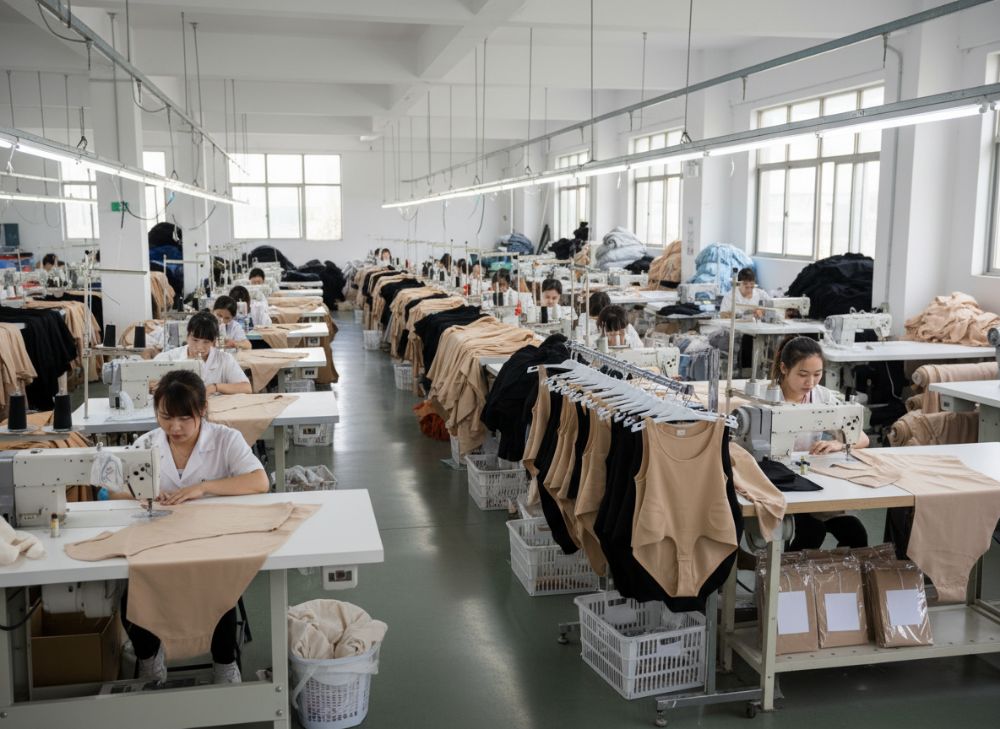
For lingerie brands, online retailers, department store buyers and private label businesses in the United Kingdom, selecting the right shaping bra manufacturer is not just a sourcing task. It is a commercial decision that affects fit consistency, return rates, launch speed, margin control, customer satisfaction and long-term brand reputation. Whether a buyer is serving boutiques in London, fitness-led retailers in Manchester, maternity specialists in Birmingham or e-commerce channels across the UK, the right manufacturing partner can help turn product ideas into commercially successful shapewear collections.
In practical terms, a reliable shaping bra manufacturer should offer more than sewing capacity. B2B buyers increasingly need product development support, certified materials, stable quality systems, inclusive size grading, low-risk sampling, private label flexibility and dependable export logistics. This is especially important in the UK market, where consumers expect comfort, body confidence, sustainability and modern performance fabrics all in one product category.
This guide explains what British buyers should assess when comparing suppliers, how to evaluate technical and production capabilities, what certifications matter, how OEM and ODM models differ, and how to reduce sourcing risk. It also shows how a full-service partner such as S-SHAPER can support growing brands that need both flexibility and scale.
Quick Answer
A shaping bra manufacturer is a specialist factory or integrated supplier that designs, develops and produces bras with sculpting, supportive or compression-based performance for wholesale, retail and private label markets. UK B2B buyers care because the right supplier directly influences fit, fabric performance, repeat orders, compliance and profitability. A strong manufacturing partner should be able to handle product development, size grading, fabric selection, branding, testing, quality control and global shipping while meeting market demands for comfort, style and functionality.
For most UK buyers, the best choice is a supplier that combines technical shapewear expertise with flexible order quantities and transparent communication. This matters whether the goal is launching a startup collection, adding shaping bras to an existing lingerie line, or scaling a cross-border e-commerce brand. Buyers should look for a partner that can support both small trial orders and larger replenishment volumes, while maintaining the same fit and finish across every batch.
| Evaluation Area | What to Check | Why It Matters |
|---|---|---|
| Product Expertise | Experience in shaping bras, seamless knitting, compression mapping | Reduces development errors and improves wear performance |
| MOQ Flexibility | Ability to start from small test runs | Helps UK brands validate demand before scaling |
| Quality System | Documented inspection process and traceability | Lowers risk of returns and customer complaints |
| Compliance | ISO, fabric safety, ethical manufacturing evidence | Supports retailer acceptance and consumer trust |
| Customisation | Logo, labels, packaging, colour matching, fit adjustments | Essential for private label and differentiated branding |
| Logistics | Export experience, warehousing, lead time planning | Improves stock flow into UK fulfilment channels |
The table above gives a quick decision framework. A manufacturer may offer attractive pricing, but if it lacks fit expertise, repeatability or proper compliance, the true cost can become much higher through delays, negative reviews and markdowns.
What Is a Shaping Bra Manufacturer and Why B2B Buyers Care
A shaping bra manufacturer focuses on bras engineered to contour the body, support posture, smooth visible lines or create targeted compression while preserving comfort for extended wear. Unlike standard lingerie suppliers, these manufacturers often work with performance textiles, seamless technology, reinforced support zones and construction methods designed for sculpting rather than simple coverage.
For B2B buyers in the United Kingdom, this specialism matters because shaping bras sit at the intersection of lingerie, athleisure, wellness and bodywear. They are often purchased by women seeking support under workwear, occasionwear, knitwear, fitness apparel, postpartum garments or recovery-related products. That means the end consumer is usually more sensitive to fit, pressure balance, breathability and fabric recovery than in many conventional underwear categories.
Buyers also care because shaping bras often command better perceived value than basic bras. When executed well, they can support premium positioning, higher average order values and stronger repeat purchase rates. However, this only happens when the product performs as promised. If the bra rolls, digs in, loses elasticity or creates inconsistent sizing, customer dissatisfaction can spread quickly through product reviews and social media.
In the UK market, shaping bras appeal across several retail channels:
- Department store and concession buyers in London and Leeds seeking modern bodywear categories
- Digital-first DTC brands serving fashion-conscious shoppers across the UK
- Maternity and postpartum specialists in Bristol, Birmingham and Glasgow
- Fitness and lifestyle retailers that want supportive hybrid undergarments
- Boutique lingerie chains looking for fuller size ranges and comfort-led collections
- Cross-border sellers shipping from UK fulfilment centres into Ireland and mainland Europe
Because shaping bras can serve both fashion and function, they are increasingly relevant in sectors beyond classic lingerie. Retailers with wellness, post-surgical, body confidence or occasionwear categories may all benefit from adding them. This is why buyers should assess not only the garment itself, but also the manufacturer’s ability to understand end-use scenarios.
The growth trend above reflects the broader movement toward comfort-led shapewear, hybrid bodywear and premium everyday essentials. By 2026, demand is expected to be influenced even more by sustainability rules, inclusive sizing and digitally informed fit development.
Shaping Bra Manufacturer Services and Production Capabilities
When evaluating shaping bra manufacturer services, UK buyers should separate capabilities into three practical areas: technological capabilities, manufacturing capabilities and service capabilities. A supplier that scores well in only one area may still create commercial risk.
Technological Capabilities
Advanced shaping bra development depends on machinery and engineering precision. S-SHAPER, for example, operates a self-owned smart factory in China that uses automated systems and computer-controlled smart cutting to improve consistency. Its three-dimensional weaving precision and seamless knitting capability are relevant for shaping bra buyers because these technologies help create smoother garment surfaces, more stable panel alignment and better targeted compression zones. For the end consumer, that can translate into support without excessive bulk.
Technological strength also affects innovation speed. A factory that can develop breathable structures, elastic transitions and body-mapped shaping panels is better positioned to support UK brands targeting premium comfort. This is increasingly important in markets such as London, where customers compare shapewear not only by silhouette results but also by feel, invisibility under clothing and all-day wearability.
Manufacturing Capabilities
Production scale and process control matter just as much as innovation. S-SHAPER’s manufacturing set-up includes dedicated production lines, specialised equipment and the ability to scale from small runs to large-volume orders. For B2B buyers, this means a supplier can potentially support early-stage collection testing, retailer-exclusive launches and later replenishment cycles without changing factory partners. That continuity helps protect fit consistency and fabric matching between production rounds.
Manufacturing capability also includes size range flexibility. The UK market includes demand across petite, standard, curve and plus-size segments. Suppliers that can produce inclusive sizing, with custom grading from XXS to 6XL or similar, are more useful to British brands seeking broader market reach. Strong manufacturers also understand the need for different support levels across sizes rather than simply enlarging a standard pattern.
Service Capabilities
Service capability often determines whether a sourcing relationship stays efficient over time. S-SHAPER supports OEM and ODM programmes, sample development, fabric and trend recommendations, logo and packaging customisation, testing adjustments and delivery coordination. For UK importers and wholesalers, this type of service can simplify the path from concept to shelf.
A service-minded partner should also provide clear communication on revisions, approvals, pre-production sign-off and shipment milestones. Time zone differences can be managed effectively when the supplier has structured export support and responsive account management. This is particularly valuable for buyers coordinating launches around London Fashion Week promotions, seasonal gifting calendars or retail intake windows for spring and autumn collections.
| Service Area | Typical Offering | Benefit for UK Buyers |
|---|---|---|
| Design Development | Concept sketches, fit direction, trend-led updates | Supports faster collection planning |
| Material Sourcing | Compression fabrics, breathable yarns, eco-certified textiles | Improves product differentiation and compliance |
| Sampling | Prototype creation, revisions, wear testing support | Reduces launch risk before bulk production |
| Branding | Custom labels, logo application, retail packaging | Enables private label positioning |
| Production Planning | Small-batch to scale-up scheduling | Helps match inventory to UK demand cycles |
| Logistics Support | Export coordination, warehousing, shipment planning | Improves delivery reliability into the UK |
The most effective suppliers combine these service areas in a single workflow. This is what many UK buyers mean when they ask for a one-stop partner rather than just a cut-and-sew factory.
Certifications to Check When Choosing a Shaping Bra Manufacturer
Certification review is essential for UK buyers because compliance affects both legal confidence and retail acceptance. Even if a brand is selling online rather than through major chains, documented standards help show that the product was made under controlled, traceable conditions.
The first baseline is quality management certification such as ISO 9001. This indicates that the manufacturer follows structured procedures for consistency, documentation and continuous improvement. S-SHAPER states that its operations are ISO 9001 certified, which is a positive signal for buyers that value repeatability and process discipline.
Beyond factory-level quality certification, buyers should examine material compliance and ethical production evidence. For shaping bras, this may include confirmation that fabrics are skin-friendly, responsibly sourced and tested for long-wear safety. If the garments are marketed with wellness features, compression support or special functional textiles, claims should be backed by documentation rather than marketing language alone.
For the UK market, useful certification and compliance checks may include:
- ISO 9001 for quality management systems
- Fabric safety and restricted substance compliance
- Eco-related textile certification for sustainably sourced materials
- Social or ethical manufacturing audit reports
- Testing records for colour fastness, stretch recovery and durability
- Traceability documents for major materials and trims
Buyers supplying larger retail groups in London, Liverpool or Edinburgh should also ask whether the manufacturer can support retailer-specific testing protocols. In many cases, passing internal brand requirements is just as important as holding generic certifications.
| Document or Standard | What It Covers | Why UK Buyers Should Request It |
|---|---|---|
| ISO 9001 | Quality management processes | Confirms structured control and traceability |
| Fabric Safety Test Report | Chemical and skin-contact safety indicators | Important for intimate apparel sold to consumers |
| Colour Fastness Report | Resistance to washing and rubbing | Reduces complaints and protects brand image |
| Stretch and Recovery Data | Elastic performance over wear cycles | Essential for shaping bras that rely on controlled support |
| Ethical Audit Evidence | Working conditions and factory practices | Supports responsible sourcing expectations |
| Material Traceability Records | Origin and batch tracking for fabrics and trims | Useful for compliance, claims and issue resolution |
The value of certification lies in risk reduction. It gives the buyer a framework for due diligence and helps prevent surprises after stock has already landed in a UK warehouse.
OEM, ODM and Private Label Options at a Shaping Bra Manufacturer
One of the biggest decisions for a UK buyer is whether to work under OEM, ODM or private label arrangements. Each model suits different brand stages and commercial goals.
OEM, or original equipment manufacturing, is best for brands that already have their own designs, fit standards or technical packs. In this model, the buyer defines the product and the manufacturer produces it. This works well for established UK lingerie labels with a clear aesthetic and an in-house merchandising team.
ODM, or original design manufacturing, is ideal for businesses that want more supplier input. The manufacturer helps shape the product concept, structure, materials and fit solution, then produces the finished line. This can be useful for fast-growing online brands in the UK that understand their audience but need technical support to turn a shaping bra idea into a commercially wearable product.
Private label usually sits somewhere between speed and simplicity. The buyer selects from existing or semi-customised product bases, then adds brand identity through labels, packaging, colour choices or minor fit adjustments. This route is efficient for market testing, boutique collections and capsule launches.
S-SHAPER offers both OEM and ODM services through its product development and manufacturing programmes. This matters because not every UK buyer has the same readiness level. A startup may need strong concept support, while a mature retailer may only want precise execution and dependable replenishment.
| Model | Buyer Input Level | Speed to Market | Customisation Depth | Best For | Main Trade-Off |
|---|---|---|---|---|---|
| OEM | High | Medium | Very high | Established brands with technical specs | Needs more buyer preparation |
| ODM | Medium | Medium to fast | High | Growing brands needing development support | Requires close collaboration on design ownership |
| Private Label | Low to medium | Fast | Moderate | Retailers testing new categories | Less product exclusivity |
| Hybrid OEM/ODM | Medium to high | Medium | High | DTC brands refining proven products | Needs structured sample feedback |
| Retail Exclusive Capsule | Medium | Fast to medium | Moderate to high | Chains and marketplace sellers | Shorter planning window |
| Wellness or Postpartum Line | Medium | Medium | High functional customisation | Niche specialists | May require extra testing |
UK buyers should choose the model based on internal resources, not just price. A low-cost arrangement can become inefficient if the team lacks technical knowledge or cannot manage iterative fit approvals.
The bar chart highlights where shaping bra demand is strongest across different UK-facing sectors. E-commerce and mainstream lingerie remain the most dynamic channels, but plus size and maternity categories also represent strong opportunities for suppliers with inclusive fit capability.
MOQ, Pricing and Sample Policies for a Shaping Bra Manufacturer
Minimum order quantity, unit price and sample policy often determine whether a supplier is commercially workable. For UK brands, especially those balancing online demand forecasting with warehouse constraints, MOQ flexibility can be more valuable than the lowest unit cost.
S-SHAPER states that orders can begin from as low as 50 pieces for small-batch testing, while also supporting very large-scale production for established accounts. This can be attractive to UK buyers launching trial colourways, influencer-led capsule lines or seasonal edits without overcommitting stock.
When discussing pricing, buyers should ask for a clear breakdown of the main cost drivers:
- Fabric composition and compression performance
- Seamless versus cut-and-sew construction
- Moulded cups, support inserts or special trims
- Size range complexity and grading requirements
- Packaging format and labelling needs
- Branding applications such as woven labels, heat transfers or printed care labels
- Order quantity and replenishment frequency
Sample policy also matters. A professional supplier should explain whether prototype fees are refundable against bulk orders, how many revision rounds are standard, and how long sample development usually takes. For British buyers working to retail calendars, sample turnaround can affect launch viability more than a small variation in ex-factory price.
| Commercial Factor | Typical Buyer Question | Good Supplier Response |
|---|---|---|
| MOQ | Can we test one style in low volume first? | Offers low starting quantity with scale-up pathway |
| Price Tiering | How does cost change at 200, 500 and 2,000 units? | Provides transparent quantity brackets |
| Sampling Fee | Is the sample charge refundable? | Explains policy clearly before development starts |
| Revision Policy | How many fit adjustments are included? | Sets realistic revision stages and timelines |
| Packaging Cost | Are custom boxes or bags quoted separately? | Lists optional packaging elements transparently |
| Payment Terms | What is required before bulk production? | Uses clear milestone-based payment structure |
For UK importers, the best commercial arrangement is usually not the absolute cheapest one. A supplier that offers low MOQ, accurate sampling and stable repeat pricing often creates better long-term margin than a factory that looks inexpensive but causes delays or inconsistent fit.
Quality Control Standards at Shaping Bra Manufacturer Facilities
Quality control is especially important in shaping bras because product performance depends on many interacting factors: elasticity, pressure distribution, strap stability, fabric recovery, cup shaping, seam smoothness and wash durability. Small inconsistencies can significantly affect wear comfort.
Strong factories build quality control into every stage rather than relying only on final inspection. S-SHAPER emphasises strict quality control within its factory operations, and this is the sort of systems-based approach UK buyers should prioritise. It should include raw material checks, in-process inspection, pre-packing review and final shipment verification.
Buyers should ask how the factory tests for:
- Fabric stretch and rebound
- Dimensional stability after washing
- Colour consistency across batches
- Seam durability and bonding reliability where applicable
- Pressure balance in compression areas
- Fit consistency across graded sizes
For brands selling through marketplaces or own websites in the UK, robust quality control also protects customer ratings. A shaping bra that feels excellent in size medium but too restrictive in XL can quickly undermine a collection’s reputation. This is why buyers should review fit reports and pre-shipment inspection records whenever possible.
More detail about factory quality systems can be found through quality assurance and compliance information, which is relevant for buyers looking to understand how a manufacturing partner manages standards.
| Production Stage | Inspection Focus | Reason It Matters |
|---|---|---|
| Incoming Materials | Fabric composition, shade, elasticity, trim accuracy | Prevents quality issues from entering production |
| Pattern Confirmation | Measurement specs, support zone placement | Protects fit and function before cutting or knitting |
| In-Line Sewing or Knitting | Seam quality, tension balance, panel alignment | Catches defects early and reduces waste |
| Fit Audit | Wear test across key sizes | Confirms support and comfort across the range |
| Final Inspection | Appearance, measurement, labelling, packaging | Ensures order matches approved standard |
| Pre-Shipment Review | Carton counts, assortment accuracy, export readiness | Reduces receiving problems at UK warehouses |
Quality control should not be treated as a passive promise. Buyers should request evidence of process, records and escalation procedures when defects appear.
Lead Times and Shipping Logistics for a Shaping Bra Manufacturer
Lead times can vary widely depending on whether the order is an existing style, a modified sample, or a fully custom development project. For UK buyers, realistic planning should include sample approval, material preparation, production, final inspection, booking and transit time to destination.
In practice, buyers should break lead time into four stages:
- Development lead time for samples and revisions
- Pre-production lead time for raw materials and confirmation
- Bulk manufacturing lead time
- Shipping and customs lead time into the UK
S-SHAPER’s global service model includes an international logistics network and more than eight warehouses, which can help support smoother distribution planning. For UK buyers, that matters because freight strategy is often tied to launch timing. Goods may move through major global ports before reaching Felixstowe, Southampton, London Gateway or inland fulfilment hubs near Birmingham and the Midlands. Businesses selling through Amazon FBA, Shopify fulfilment partners or third-party logistics providers need a supplier that understands labelling, booking windows and carton planning.
When discussing shipping, buyers should ask whether the supplier can support:
- Sea freight for cost efficiency on larger orders
- Air freight for urgent replenishment
- Split shipments for staggered delivery
- Warehouse allocation by destination market
- Export documentation and carton marking requirements
- Flexible delivery arrangements for mixed product programmes
Good logistics support does not eliminate delays, but it improves predictability. That is often more valuable than speed alone, especially for retailers planning promotions around Black Friday, Boxing Day or spring launch windows.
The area chart reflects a broader market shift toward technical, multifunctional intimates. For 2026, UK buyers should expect stronger demand for products combining support, breathability, sustainability and inclusive fit in a single SKU strategy.
How to Vet and Partner With Shaping Bra Manufacturer Experts
Vetting a shaping bra manufacturer should involve more than a brochure review. The best buyer-supplier relationships are built through structured assessment, technical dialogue and small, measurable first projects.
Start by reviewing supplier background, product focus and manufacturing ownership. A self-owned factory generally offers stronger process visibility than a trader relying entirely on subcontracting. From there, assess whether the supplier has clear expertise in shapewear, not just generic underwear. Ask for examples of shaping bras, compression products or body contouring garments already produced for export markets.
Next, test the supplier’s communication quality. Do they answer technical questions clearly? Can they explain how support zones are engineered? Do they provide realistic timelines rather than automatic promises? Strong communication is a major predictor of sourcing success, especially when UK buyers need to coordinate design, compliance and logistics across time zones.
A useful vetting sequence includes:
- Reviewing company history, facilities and core categories through pages such as the manufacturer profile
- Requesting technical capability details and sample photos
- Asking for certifications, audit records and quality procedures
- Ordering a development sample or benchmark sample
- Evaluating fit, comfort, packaging and consistency
- Starting with a controlled trial order before scaling
Buyers should also assess the supplier’s understanding of their business model. A brand selling through premium boutiques in Chelsea has different needs from an online seller targeting value-conscious consumers across the North of England. The best manufacturing partner listens to the channel strategy, price architecture and consumer profile before recommending construction or fabric options.
| Assessment Item | What to Ask | Strong Indicator |
|---|---|---|
| Factory Ownership | Do you own and manage production directly? | Clear facility control and process visibility |
| Technical Depth | How do you build shaping support without sacrificing comfort? | Detailed explanation of materials and construction |
| Sampling Ability | How quickly can you produce and revise prototypes? | Structured sample process with defined milestones |
| Compliance | Which certifications and testing reports can you share? | Immediate and transparent documentation |
| Scalability | Can you handle both pilot orders and repeat volume? | Evidence of low MOQ and mass production capability |
| Logistics Readiness | How do you support export shipments to the UK? | Experience with shipping planning and documentation |
Once a supplier passes initial checks, the partnership should be managed through measurable KPIs: sample turnaround time, defect rate, on-time delivery, repeat order accuracy and communication response time. These indicators matter far more than broad sales claims.
Case Study Scenarios Relevant to the UK
Case 1: Boutique Launch in London. A new digital lingerie brand wants to test two shaping bra styles in limited colours. Low MOQ and rapid sampling are essential. An OEM-ready supplier would be less useful here than an ODM-capable partner that can suggest improved fabric combinations and packaging suitable for influencer gifting.
Case 2: Plus-Size Expansion in Manchester. An established retailer adds a smoothing support bra line in extended sizing. The main risk is inconsistent grading. The best manufacturing partner is one with strong fit engineering, custom grading and production repeatability rather than simply low price.
Case 3: Wellness Collection for Birmingham Pharmacies and Clinics. A distributor seeks supportive bras for postpartum and recovery-related categories. Here, fabric safety, comfort and reliable documentation become more important than trend colours. A supplier with functional product experience and clear compliance records is preferable.
Case 4: Fast Replenishment via UK Fulfilment. An e-commerce seller sees rapid demand spikes from social media campaigns. The chosen shaping bra manufacturer should offer scalable output, responsive communication and logistics planning that can support split shipments into fulfilment centres.
The comparison chart shows the profile many UK buyers now seek: technical fit strength, quality consistency, low-risk entry conditions and capacity to grow with the account. This is why specialist manufacturers increasingly outperform generic lingerie suppliers in the shaping bra segment.
Future Trends for 2026: Technology, Policy and Sustainability
Looking ahead to 2026, UK buyers should expect shaping bra sourcing decisions to be influenced by three forces: smarter product engineering, stronger sustainability scrutiny and more disciplined compliance expectations.
On the technology side, seamless knitting, three-dimensional body mapping and more accurate digital grading will continue to improve fit personalisation and reduce waste. Manufacturers with advanced smart cutting and precise weaving systems will have an advantage because they can create more consistent products while controlling material loss.
On the policy side, buyers should prepare for closer scrutiny on traceability, fibre composition claims and supply chain accountability. Even where formal legal requirements vary by product type, major retailers and platforms are pushing suppliers toward clearer documentation. Brands that work with organised factories will be better positioned to respond.
On sustainability, consumer expectations in the UK are moving beyond vague eco language. Buyers increasingly need evidence of responsibly sourced fabrics, durable performance, efficient production and packaging choices that align with lower-impact goals. Manufacturers that can combine functional shapewear design with eco-certified materials will likely gain more attention from premium and values-led brands.
These trends support working with a supplier that invests in both machinery and process systems, rather than one competing only on short-term price.
FAQ: Shaping Bra Manufacturer
What is the difference between a shaping bra manufacturer and a regular bra factory?
A shaping bra manufacturer specialises in support, contouring and compression-led bra construction. It usually has stronger expertise in technical fabrics, seamless production, support zoning and body-shaping performance than a general bra factory.
Why do UK wholesale buyers need a specialist supplier?
Because shaping bras are more sensitive to fit, pressure balance and fabric recovery. A specialist supplier is better able to reduce returns, improve comfort and maintain consistency across repeat orders.
Can a shaping bra manufacturer handle small startup orders?
Some can, some cannot. Buyers should ask directly about MOQ. S-SHAPER, for example, supports low starting quantities from 50 pieces, which can help startups and test launches in the UK market.
What is better for a new brand: OEM or ODM?
If the brand already has strong technical designs, OEM may work well. If it needs help with product development, material selection and fit engineering, ODM is usually more practical.
How long does development usually take?
It depends on complexity, but buyers should allow time for sample creation, revisions, approval and bulk planning. A realistic schedule is always better than a rushed promise.
What certifications should I request first?
Start with ISO 9001, fabric safety documentation, elasticity and durability test reports, plus any available ethical or social compliance evidence. For intimate apparel, material safety is particularly important.
How can I reduce quality risk before placing a large order?
Request samples, measure them against a clear tech pack, wear-test them across target sizes, review quality procedures and start with a trial order. A supplier’s response during sampling often reveals how reliable bulk production will be.
Are shaping bras suitable only for lingerie brands?
No. They also fit maternity, wellness, recovery, fitness, occasionwear and body confidence sectors. This makes them commercially useful across several UK retail categories.
What should be included in a private label shaping bra programme?
At minimum: approved product style, sizing, branding, care labels, packaging, carton details, inspection criteria and shipping plan. Strong suppliers can help align these elements before production begins.
How important is logistics support?
Very important. Delays at origin, poor carton planning or incomplete export documents can disrupt intake dates in the UK. A manufacturer with organised logistics support can help keep launches on schedule.
What makes S-SHAPER relevant for UK buyers?
S-SHAPER combines shapewear-focused product expertise, smart factory technology, OEM and ODM support, low MOQ flexibility, large-scale output potential and an international logistics network. That mix is useful for UK brands seeking both development support and reliable supply continuity.
In summary, the right shaping bra manufacturer is a strategic growth partner, not only a production source. For buyers in the United Kingdom, success depends on choosing a supplier that can balance technical shaping performance, compliance, cost control, flexible service and dependable delivery. Whether the goal is launching a private label line, expanding a premium lingerie assortment or building a broader bodywear category, careful supplier selection will shape the commercial outcome just as much as the product itself.
Businesses that want a partner with integrated development, manufacturing and export support can explore S-SHAPER’s shapewear manufacturing solutions, review the company background through its company overview, and examine quality and compliance standards before moving into OEM or ODM discussion.