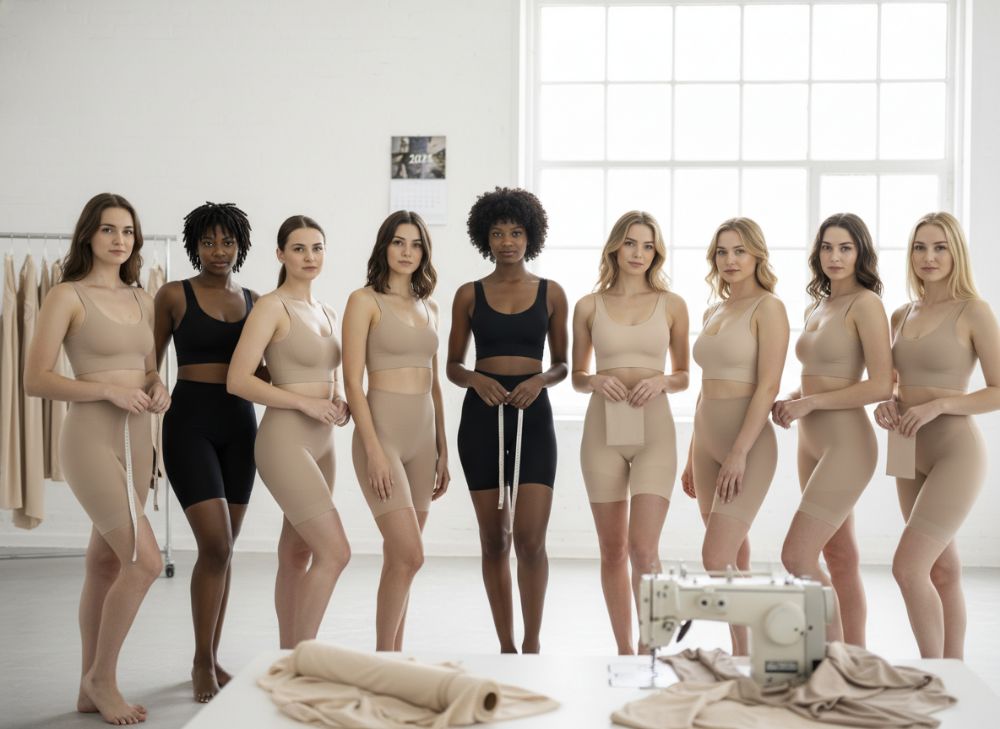
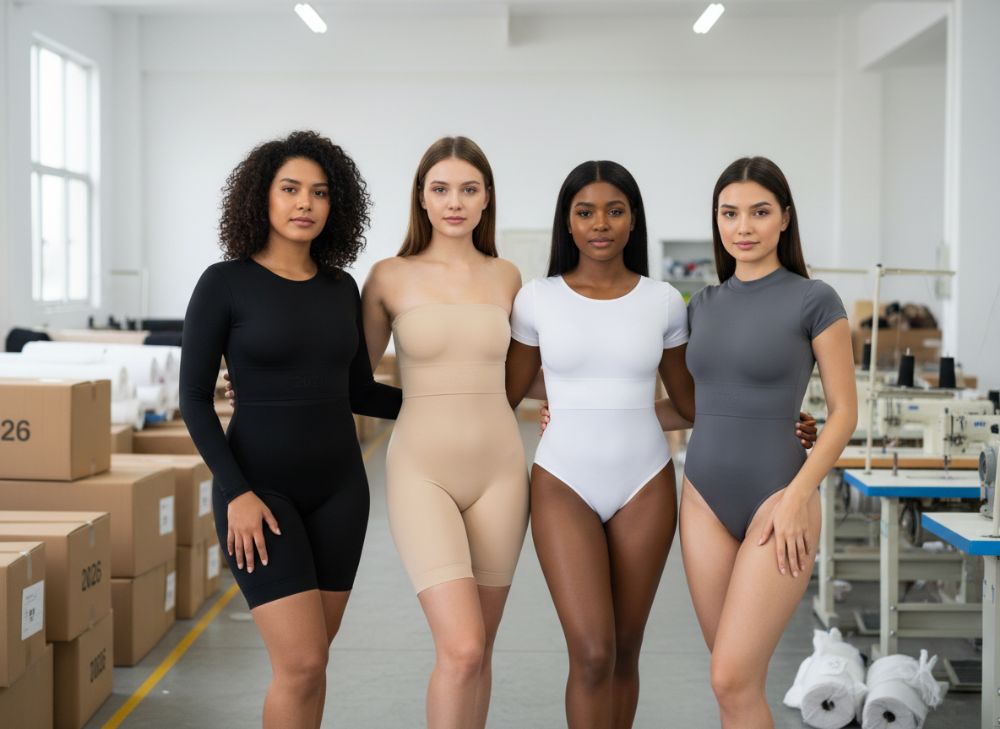
For buyers in the United Kingdom, the choice between a bodysuit and shapewear depends on the end use. A bodysuit is usually a fashion-led base layer or outerwear hybrid, while shapewear is built primarily for support, contouring and figure smoothing. If your goal is styling versatility, a bodysuit often wins. If your goal is targeted shaping, size inclusivity and repeat purchase in the lingerie, occasionwear or postpartum segment, shapewear usually performs better. For wholesalers, the strongest category often comes from combining both: bodysuit-inspired shaping pieces that deliver everyday comfort with visible smoothing benefits.
Across London, Manchester, Birmingham, Leeds and Glasgow, retailers are seeing customers ask for products that look refined under clothing, feel breathable for all-day wear and still suit fast-moving online returns environments. That makes the bodysuit vs shapewear decision more commercial than cosmetic. Fabric recovery, compression mapping, gusset design, seam placement, wash durability and fit consistency all affect margin, customer satisfaction and repeat sales. In the UK market, where department stores, DTC labels, boutique lingerie brands and Amazon sellers all compete for attention, sourcing the right category can determine whether a line becomes a core bestseller or a high-return problem SKU.
This guide compares bodysuits and shapewear from a business perspective, with practical advice for importers, private-label brands and established apparel buyers sourcing for the United Kingdom. It also explains where each product fits by business model, how customisation changes cost, what trend shifts to expect through 2026, and why a specialist manufacturer such as S-SHAPER can help brands build more competitive collections with OEM and ODM support.
Quick Answer
The shortest answer is this: bodysuits are better for styling and wardrobe layering, while shapewear is better for shaping and function. In wholesale terms, shapewear generally offers stronger long-term demand because it addresses clear use cases such as tummy control, waist smoothing, thigh shaping, postpartum support, occasion dressing and confidence wear under fitted garments. Bodysuits can still be excellent sellers, especially when marketed as fashion basics, contour tops or seamless everyday essentials, but their demand tends to be more trend-sensitive.
In the United Kingdom, bodysuits often perform well in fashion retail, influencer-led drops and seasonal capsule collections. Shapewear tends to perform well in lingerie retail, bridal retail, occasionwear, maternity-related recovery categories and body confidence lines. If a buyer wants higher reorder stability, broader size conversion and stronger utility-based marketing, shapewear usually has the advantage. If a buyer wants a style-driven hero product with editorial appeal, a bodysuit may be the stronger choice.
Many of the best-performing modern products sit between the two categories: smoothing bodysuits, shaping thong bodysuits, seamless sculpting bodysuits and support tanks with light compression. These hybrid designs are especially attractive to UK consumers who want less rigid shapewear and more wearable everyday shaping.
| Buying Goal | Better Choice | Why It Fits | Typical UK Sales Channel | Margin Potential | Return Risk |
|---|---|---|---|---|---|
| Everyday fashion layering | Bodysuit | Easy to style with jeans, skirts and tailoring | DTC fashion sites | Medium to high | Medium |
| Visible waist and tummy smoothing | Shapewear | Compression is the main purchase driver | Lingerie and online marketplaces | High | Medium |
| Bridal and occasionwear | Shapewear | Customers seek shaping under dresses | Bridal shops and premium e-commerce | High | Low to medium |
| Trend-led social content | Bodysuit | Photographs well and works as outerwear | Influencer brands | High | Medium to high |
| Postpartum support | Shapewear | Functional support matters more than styling | Specialist wellness and maternity | Medium | Low to medium |
| Hybrid comfort plus smoothing | Both / Hybrid | Best for broad modern demand | Private-label collections | High | Low to medium |
The table above shows why the answer is rarely absolute. Retail success depends on whether the product is sold as apparel, intimates, wellness support or a crossover category. For UK buyers building a range rather than a single SKU, the most reliable strategy is usually a laddered offer: one fashion bodysuit, one seamless smoothing bodysuit and one stronger-control shapewear style.
Bodysuit vs Shapewear: Main Design and Functional Differences
The most important difference is design intent. A bodysuit is structured to create a clean, tucked-in look. It usually features a top silhouette with a snap gusset and may be sleeveless, long-sleeved, square-neck, thong-back or brief-cut. It can be worn visibly as part of an outfit. Shapewear, by contrast, is engineered to modify the appearance of the body under clothing. It may come as a shaping brief, high-waist short, full-body shaper, shaping cami, shaping slip or sculpting bodysuit. Its panels, knit density and bonding methods are chosen for control rather than pure style.
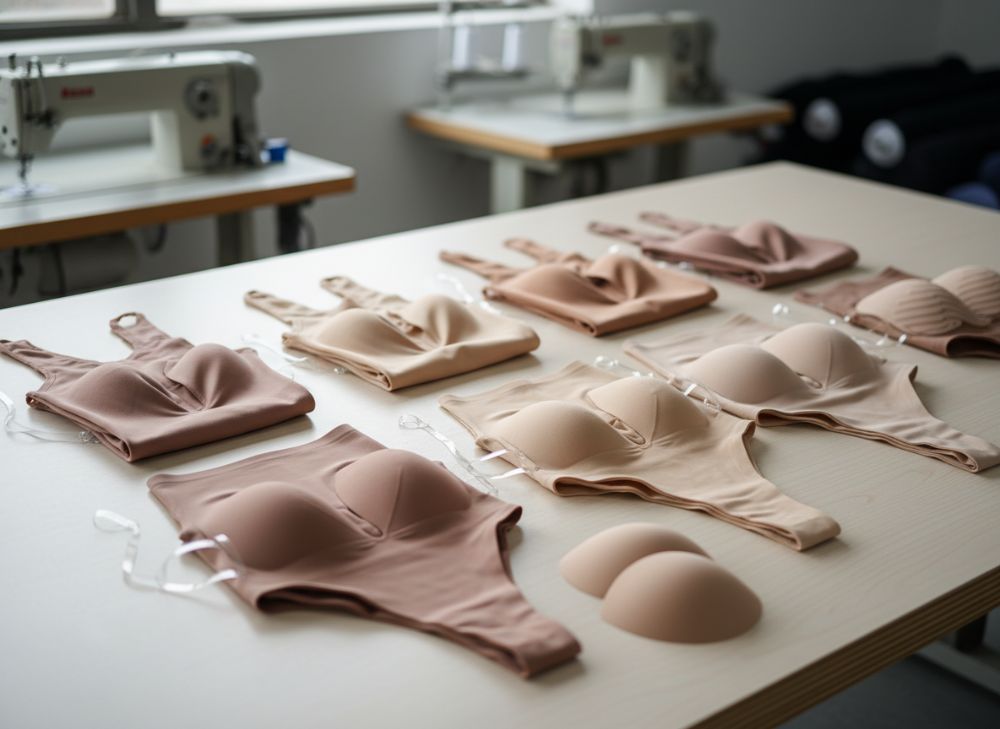
From a pattern-making perspective, bodysuits focus on neckline balance, torso length, bust fit, leg line and styling proportion. Shapewear focuses on compression zones, anti-roll edges, seam minimisation, reinforcement and support mapping. A bodysuit can be made in jersey, rib or seamless knit with little or no shaping. Shapewear often uses nylon-spandex, power mesh, bonded fabric, rib support zones or 3D seamless knitting to create graduated control.
In-store and online, customers often misunderstand the difference. A fashion bodysuit may smooth lightly because it fits close to the body, but it does not automatically qualify as shapewear. Likewise, a shaping bodysuit may resemble a fashion bodysuit, yet its engineering is hidden in the structure: stronger elastane content, tummy panel placement, underbust support, butt-lifting contour lines or targeted compression around the waist.
| Feature | Bodysuit | Shapewear | Commercial Impact | Customer Expectation | Common Complaint if Poorly Made |
|---|---|---|---|---|---|
| Primary purpose | Styling and layering | Smoothing and shaping | Affects product positioning | Clear use case | “Not what I expected” |
| Compression level | Low to light | Light to firm | Influences returns and reviews | Body contouring accuracy | Too tight or no effect |
| Fabric structure | Fashion knit or seamless basic | Engineered panels or shaping knit | Changes cost and margin | Support and durability | Rolling, stretching out |
| Visibility in outfit | Often visible as apparel | Usually hidden under clothing | Impacts design choices | Clean lines | Lines showing through dress |
| Closures and gusset | Often snap closure | May be open gusset or reinforced closure | Affects comfort and production steps | Convenience | Difficult wearability |
| Fit grading priority | Style and bust proportion | Control, recovery and body zones | Determines size success | Secure but wearable fit | Pinching or sagging |
This comparison matters because wholesale buyers in the UK often source from multiple factories that specialise in different apparel categories. A standard knitwear or fashion basics supplier may make an attractive bodysuit, but not a high-performing shaping bodysuit. Likewise, a compression garment specialist may create excellent support products but weaker fashion styling. Buyers should match supplier capability with the intended product promise.
For labels planning a differentiated collection, a hybrid range offers the most flexibility. A seamless contour bodysuit can satisfy consumers who want a polished outerwear-ready style, while a stronger shaping suit can serve bridal and event customers. This layered range also helps brands target different basket values and reduce over-reliance on one use case.
Fabric and Build Quality in Bodysuit vs Shapewear Compared
Fabric quality separates premium products from fast-return items. In bodysuits, fabric must feel smooth against the skin, recover after stretch and maintain shape at the neckline, shoulder and snap area. In shapewear, fabric must do all of that while also controlling pressure. The wrong fibre blend can create overheating, edge curling, bagging after wash or poor recovery that causes the garment to lose support quickly.
For UK consumers, comfort in variable weather is especially important. Products sold in London or Bristol may need to work for commutes, office wear and evening layering in a single day. Breathable microfibre, moisture-wicking yarns and seamless constructions perform well in this context. Heavier power mesh may be ideal for occasionwear but less suited to everyday all-day wear unless combined with lighter support zones.
Quality construction elements include reinforced shoulder join points, stable snap plackets, well-finished gussets, anti-roll waist structures, flatlock or bonded seams where appropriate and elastic recovery that remains consistent after repeated laundering. The strongest shapewear also uses strategic panel engineering rather than indiscriminate tightness. Consumers do not only want compression; they want controlled compression in the right places.
One reason manufacturers such as S-SHAPER’s quality assurance and compliance system matter is that shapewear quality cannot be judged by appearance alone. Technical testing, repeatability, fit validation and controlled production all influence whether a product actually performs. Advanced production methods such as smart cutting, 3D weaving with high precision and seamless knitting help maintain consistency across sizes and repeated orders.
| Material / Build Element | More Common in Bodysuits | More Common in Shapewear | Benefit | Risk if Low Quality | Best UK Use Case |
|---|---|---|---|---|---|
| Soft jersey knit | Yes | Sometimes | Comfort and drape | Loses shape | Fashion basics |
| High-elastane microfibre | Yes | Yes | Stretch and recovery | Shine, pilling, poor hold | Daily wear |
| Power mesh panel | Rare | Yes | Tummy control | Rigid discomfort | Eventwear |
| Seamless knitting | Yes | Yes | Reduced friction and clean lines | Weak recovery if yarn poor | DTC essentials |
| Bonded edges | Sometimes | Yes | No visible lines | Delamination after wash | Bodycon dresses |
| Cotton gusset | Yes | Yes | Hygiene and comfort | Irritation | All-day wear |
The table highlights a basic truth for sourcing: the same visual silhouette can carry very different internal build quality. That is why samples must be evaluated for recovery, pressure feel, opacity, edge stability and laundering performance, not just appearance on the hanger or in a single fit session.
From a technological capability standpoint, S-SHAPER’s manufacturing model is relevant because it combines automated systems, precise cutting technology and seamless production methods that suit both body-hugging bodysuits and engineered shapewear. That matters for UK importers who need product consistency across broad size ranges, from XXS to 6XL, where poor grading can quickly damage reviews and reorder confidence.
Compression and Comfort Levels in Bodysuit vs Shapewear
Compression is the defining factor in the bodysuit vs shapewear comparison. Most bodysuits provide body-skimming support rather than true shaping. They may create a neat line under a blazer or knit dress, but they are not expected to significantly contour the waist or lower abdomen. Shapewear is deliberately designed for visible smoothing, and that requires calibrated pressure.
However, the UK market has shifted toward comfort-led shaping. Customers increasingly reject the old idea that stronger compression is always better. Instead, they want wearable support that can be used for workdays, social events and travel. This is one reason light and medium control shapewear has expanded. A softer shaping bodysuit or smoothing short often outperforms an ultra-firm product simply because it stays on the body longer and generates better reviews.
Comfort depends on more than pressure level. It also depends on torso length, shoulder load, bust support, crotch convenience, edge finishing, breathability and whether the garment creates hot spots around the ribs or thighs. Bodysuits often win on comfort because they are less restrictive. Shapewear wins on shaping because it applies targeted force. The best suppliers find the balance.
For business buyers, it helps to think in control bands: light smoothing, medium contouring and firm sculpting. Each band has a different customer, price point and return profile. Light smoothing is easiest to sell online and easiest to fit across broader body types. Firm sculpting can attract high-intent customers but requires clearer education and more careful sizing guidance.
| Compression Band | Typical Product Type | Wear Time Comfort | Shaping Effect | Best Consumer Segment | Wholesale Advice |
|---|---|---|---|---|---|
| Very light | Fashion bodysuit | High | Minimal | Style-focused shoppers | Sell on design and neckline |
| Light | Smoothing bodysuit | High | Gentle | Everyday wear | Strong entry SKU |
| Medium | Seamless shapewear | Medium to high | Noticeable | Office and occasion users | Best all-rounder |
| Medium-firm | Tummy control suit | Medium | Strong | Bridal and eventwear | Use clear fit chart |
| Firm | Sculpting full-body shaper | Low to medium | Maximum | Special-use customers | Keep focused SKU count |
| Functional support | Postpartum or post-surgical style | Use-specific | Supportive rather than cosmetic only | Recovery market | Needs careful compliance and communication |
In UK e-commerce, customer education is essential. Retailers that explain compression honestly tend to enjoy lower return rates. For example, describing a product as “light smoothing for everyday wear” is more accurate than calling it “waist-snatching” if the garment is actually a soft seamless bodysuit. Brands that overpromise shaping and underdeliver comfort often face refunds, negative comments and poor retention.
This is where service capability becomes commercially important. Through OEM and ODM development support, a specialised partner can help brands define compression level by market need, test fabric and fit options, and create styles that align with retailer positioning. That is especially useful for UK labels that need a tailored product story rather than generic catalogue sourcing.
Bodysuit vs Shapewear Manufacturing Cost and Complexity
Manufacturing costs depend on fabric composition, panel count, trim complexity, sewing or seamless machine time, fit development and quality control requirements. In general, a simple bodysuit is cheaper and faster to develop than a true shaping garment. A basic long-sleeve or thong bodysuit with standard jersey construction may have relatively low pattern complexity and fewer technical demands. Shapewear often costs more because it needs specialised yarns, compression engineering, more fit rounds and stronger production control.
But cost should not be confused with value. A well-made shapewear SKU can support higher retail pricing, better repeat purchase and stronger problem-solution marketing. Many UK consumers are willing to pay more for garments that noticeably improve fit under clothing or support confidence for weddings, workwear and nights out. The key is whether the product delivers enough function to justify the price.
Complexity rises further when buyers request custom compression zones, bonded hems, plus-size grading, eco-certified fabrics, postpartum features or branded packaging. Private-label brands often underestimate the development work behind a shaping collection. The garment may look simple externally, but engineering sits inside the knit map, panel layout and recovery balance.
| Cost Driver | Bodysuit Impact | Shapewear Impact | Why It Matters | Cost Sensitivity | How Buyers Can Control It |
|---|---|---|---|---|---|
| Fabric quality | Medium | High | Determines feel and support | High | Choose target performance early |
| Panel engineering | Low to medium | High | Creates shaping zones | High | Limit unnecessary complexity |
| Seamless machine time | Medium | High | Technical output affects cost | Medium | Standardise best-selling specs |
| Fit development rounds | Medium | High | Support garments need more testing | Medium | Approve accurate block first |
| Closures and gusset design | Medium | Medium to high | Comfort and convenience features | Medium | Use proven trim options |
| Quality control tolerance | Medium | High | Compression inconsistency drives returns | High | Work with specialist factory |
The explanation from this table is straightforward: shapewear costs more not because factories wish to charge more, but because it demands more technical precision. For UK buyers calculating landed cost through Felixstowe, Southampton or London Gateway, the right question is not “Which is cheaper?” but “Which yields better sell-through after returns, markdowns and customer feedback?”
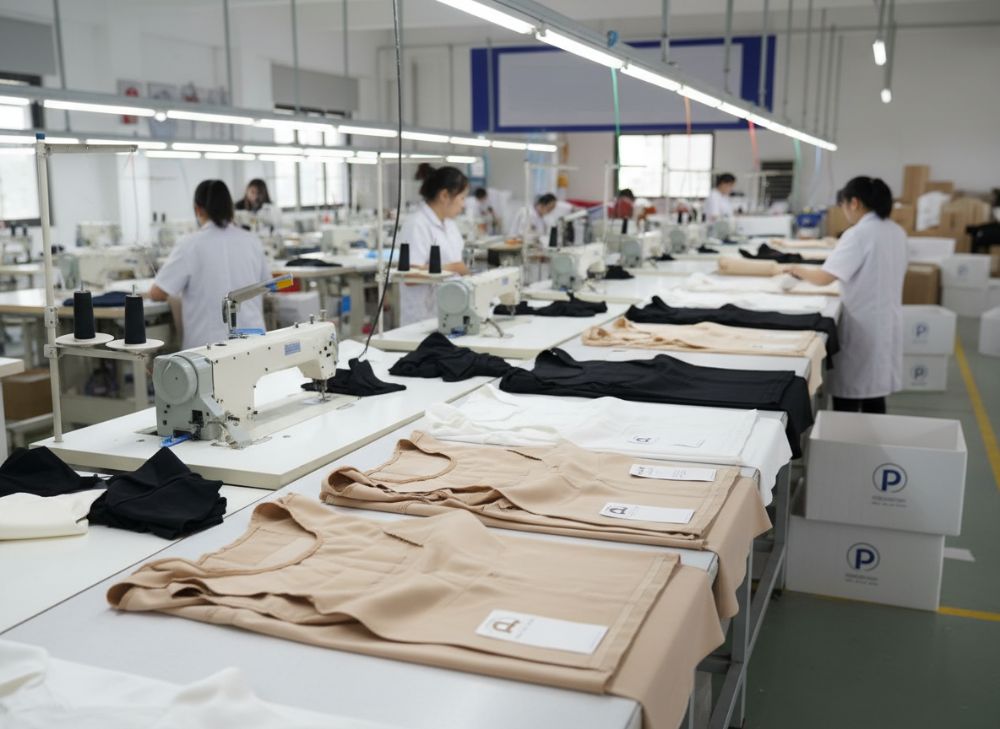
Manufacturing capability matters here. S-SHAPER operates a self-owned smart factory in China with automated production systems, specialised machinery and scalable output. That combination is useful for both small test runs and larger repeat programmes. For younger UK brands, low minimum order quantities can reduce launch risk. For established retailers, higher-volume capacity helps support continuity for core replenishment lines.
Consumer Demand Trends for Bodysuit vs Shapewear Products
Consumer demand in the United Kingdom is moving toward multifunctional bodywear. Traditional shapewear still sells, especially in occasion-led periods such as wedding season, holiday party periods and event-heavy months. Yet the faster-growing segment is often comfort shaping: products that smooth without feeling clinical or restrictive. On the bodysuit side, demand rises when fashion trends emphasise clean silhouettes, tailoring, denim pairing and minimal layering pieces.
Search behaviour and purchasing patterns suggest that consumers want fewer categories and more crossover utility. They are attracted to bodysuits that contour gently and shapewear that can be worn like a sleek base layer. This benefits manufacturers able to bridge performance and aesthetics.
The line chart shows a realistic pattern: both categories are growing, but shapewear has a steeper demand curve because it serves more explicit needs and sits across more retail categories. Growth is supported by body-positive marketing, more inclusive size ranges, social proof content, bridal demand and broader acceptance of support garments as daily essentials.
Regional retail differences also matter. London and Manchester tend to support more trend-led bodysuit launches. Birmingham, Leeds and Liverpool perform well with value-conscious everyday shaping products. In Scotland and Northern Ireland, practical comfort messaging and durability often matter more than ultra-trend styling. Online, the strongest performers are usually products that combine clear fit education, visible benefits and realistic imagery.
The area chart reflects an important shift through 2026: the market is not abandoning shapewear, but consumer preference is moving toward hybrid products. This gives UK brands a chance to create broader appeal by reducing the hard line between “fashion bodysuit” and “technical control garment”.
By 2026, three trends are expected to shape sourcing decisions: increased demand for eco-certified and skin-friendly materials; more scrutiny around comfort claims, traceability and ethical manufacturing; and wider use of advanced knitting, infrared functional textiles and wellness positioning. Buyers should also watch policy trends related to sustainability disclosures, packaging reduction and supply-chain transparency, especially for goods entering UK retail channels with premium positioning.
Which Bodysuit vs Shapewear Option Sells Better Wholesale
Shapewear usually sells better wholesale when the buyer wants stable year-round demand and strong repeat orders. It addresses distinct problems and can be merchandised by need: tummy smoothing, wedding wear, office dressing, postpartum support or confidence under fitted outfits. Bodysuits often generate stronger seasonal spikes, social-media momentum and style-led demand, but those peaks can be less predictable.
That said, the best wholesale answer depends on customer base. Boutique fashion stores may move more bodysuits. Lingerie specialists, marketplace sellers and bodywear-focused DTC brands often move more shapewear. Department store buyers may succeed with both if they segment carefully by occasion, compression and fabric story.
The bar chart above shows why shapewear often has broader wholesale reach. It serves more specialist channels and solves clearer customer needs. But it also requires stronger technical sourcing. Bodysuits can produce excellent margins in trend-led accounts where fit is forgiving and speed to market matters, though they may not offer the same depth of long-term replenishment.
| Wholesale Channel | Better Seller | Reason | Fastest Reorder Type | Price Sensitivity | Recommended Entry Range |
|---|---|---|---|---|---|
| Independent boutiques | Bodysuit | Style-first shoppers | Seasonal necklines | Medium | 3 to 5 fashion SKUs |
| Lingerie chains | Shapewear | Function-led purchase | Medium control core styles | Medium | 4 to 6 core shapers |
| Bridal retailers | Shapewear | Occasion problem-solving | Seamless sculpting styles | Low to medium | 2 to 4 targeted SKUs |
| DTC apparel labels | Hybrid | Need style and utility | Smoothing bodysuits | Medium | Capsule plus core |
| Marketplace sellers | Shapewear | Searches driven by benefits | Tummy control and shorts | High | Hero products with reviews |
| Wellness and postpartum | Shapewear | Support use case | Functional support garments | Medium | Compliance-led focused range |
The explanation here is that shapewear wins where consumers search by need and bodysuits win where consumers shop by look. Many UK private-label brands do best by launching with a shapewear-led core and adding bodysuit styles to increase basket size and strengthen brand identity.
This comparison chart shows why shapewear often delivers stronger wholesale fundamentals even when bodysuits are more fashion-forward. Repeat purchase and year-round demand are especially valuable for UK buyers seeking consistency across changing retail cycles.
Customisation Options for Bodysuit vs Shapewear Types
Customisation can transform a standard bodywear range into a recognisable private-label offer. With bodysuits, customisation often centres on neckline, sleeve length, leg cut, fastening type, colour palette, logo application and fabric handfeel. With shapewear, customisation extends much further into performance: compression level, support panels, seamless structures, reinforcement zones, gusset style, strap width and body-area targeting.
For UK brands, inclusive sizing and fit adaptation are often more commercially important than decorative changes. A beautiful product that only fits a narrow body profile will struggle, especially in online sales. Brands that invest in accurate grading and realistic fit across sizes build stronger trust and lower return pressure.
S-SHAPER is particularly relevant here from a service capability perspective. Its OEM and ODM model allows brands to develop products from a supplied concept or from the ground up. That includes support with style development, fabric recommendations, sampling, revisions, Pantone-oriented colour choices, size grading and branded packaging. This kind of one-stop support helps UK buyers reduce coordination risk between fabric vendors, pattern services and factories.
| Customisation Area | Bodysuit Possibility | Shapewear Possibility | Business Benefit | Complexity Level | Best For |
|---|---|---|---|---|---|
| Neckline and silhouette | High | Medium | Stronger brand identity | Low to medium | Fashion labels |
| Compression mapping | Low | High | Product differentiation | High | Performance brands |
| Size grading | High | High | Improves fit success | Medium to high | All UK sellers |
| Fabric finish and softness | High | High | Comfort positioning | Medium | DTC and premium retail |
| Branding and packaging | High | High | Retail presentation | Low | Private label launches |
| Functional textile features | Medium | High | Wellness and premium appeal | High | Niche specialist ranges |
The table demonstrates that shapewear offers deeper technical customisation, while bodysuits offer broader visual customisation. Buyers should decide whether they are trying to look different, perform differently or both.
As the market evolves toward 2026, customisation around sustainability will become more significant. UK retailers increasingly value responsibly sourced fabrics, skin-friendly certifications, reduced packaging waste and traceable production. Custom dyeing, eco-conscious fibres and durable construction will matter not only for ethics but also for premium storytelling and retailer approval processes.
Sourcing Bodysuit vs Shapewear: Best Fit by Business Model
Not every business should source the same type of product. A start-up Shopify brand, a supermarket private label, a bridal wholesaler and a marketplace reseller all need different sourcing strategies. The bodysuit vs shapewear choice should align with sales channel, customer education capacity, stock depth, brand identity and return tolerance.
If you are a new DTC brand in the United Kingdom, bodysuits may seem easier because they are simpler to explain. Yet a well-positioned smoothing shapewear item can create stronger differentiation if your branding focuses on fit and confidence. If you are a retailer selling through major online marketplaces, shapewear often converts better because customers search by function. If you are a boutique brand, a fashion bodysuit with elevated fabric and fit may be the better opening move.
Local logistics also shape sourcing decisions. Buyers importing into Felixstowe, Southampton, Liverpool or London Gateway need reliable lead times, consistent packing standards and supplier flexibility on repeat orders. Brands serving UK warehouses in the Midlands often benefit from suppliers with structured logistics and international distribution experience, as this supports smoother replenishment.
| Business Model | Best Product Focus | Why It Works | SKU Strategy | Recommended MOQ Approach | Sourcing Priority |
|---|---|---|---|---|---|
| New DTC brand | Hybrid smoothing bodysuit | Combines style and utility | Small focused launch | Low MOQ testing | Fit and reviews |
| Marketplace seller | Core shapewear | Benefit-led search demand | Hero SKU first | Fast repeat replenishment | Clear sizing and QC |
| Boutique fashion retailer | Fashion bodysuit | Trend alignment | Seasonal capsule | Moderate batch | Colour and styling |
| Bridal wholesaler | Medium-firm shapewear | Problem-solving purchase | Few specialised styles | Steady event-season planning | Invisible finish |
| Lingerie chain | Shapewear range | Broad use cases | Tiered compression range | Core replenishment model | Size depth |
| Wellness or maternity brand | Support-focused shaping | Functional need | Narrow targeted offer | Sample validation first | Safety and comfort |
The explanation is clear: the best sourcing choice is not universal. It depends on whether your business is driven by image, problem-solving, replenishment, premium fit or performance. UK buyers should define the business model first and the product second.
For many companies, working with a specialist partner reduces execution risk. A supplier with strong technological, manufacturing and service capabilities can support concept work, sample refinement, compliance-minded quality control and volume scaling. Buyers can learn more about the company background at the S-SHAPER company profile, where the focus on global markets, product innovation and long-term partnerships is especially relevant for brands sourcing into Europe and the United Kingdom.
FAQ: Bodysuit Vs Shapewear
Is a bodysuit the same as shapewear?
No. A bodysuit is mainly a one-piece body-hugging garment for styling and layering. Shapewear is designed primarily for smoothing, contouring and support. Some products combine both features, but the categories are not identical.
Which is more comfortable for everyday use?
A bodysuit is often more comfortable because it usually has less compression. However, light-control shapewear and smoothing bodysuits are now designed for daily wear, and many UK consumers prefer them under workwear and knit dresses.
Which product has lower return rates?
That depends on sizing accuracy and expectation setting. Bodysuits can see returns due to torso length or bust fit. Shapewear can see returns when compression feels too strong or too weak. Clear fit charts, honest control descriptions and inclusive grading reduce both problems.
What sells better in the United Kingdom?
In broad wholesale terms, shapewear usually sells better because it serves more need-based categories. Bodysuits can outperform in fashion-led channels, especially when social-media styling and seasonal dressing are key drivers.
Should a new private-label brand launch bodysuits or shapewear first?
If the brand identity is fashion-led, launch with bodysuits or hybrid smoothing bodysuits. If the brand identity is solution-led, launch with one or two core shapewear products. Many strong launches combine both in a small capsule.
What fabrics are best?
For bodysuits, soft stretch jersey, microfibre and seamless knits are popular. For shapewear, high-recovery nylon-spandex blends, engineered seamless yarns, power mesh and bonded support fabrics are common. The right choice depends on the compression target and price point.
Do plus sizes need different development?
Yes. Plus-size bodywear should not simply be scaled up. Compression distribution, shoulder support, bust area shaping, torso length and edge stability all need thoughtful grading. This is especially important in the UK, where size inclusivity can directly affect customer trust and revenue.
How important is sustainability in this category?
Increasingly important. Buyers and consumers are paying more attention to responsible sourcing, skin-friendly materials, durability and reduced waste. By 2026, sustainability and traceability are likely to influence premium positioning and retailer acceptance more strongly.
Can one manufacturer make both categories well?
Yes, but only if the factory has both apparel styling capability and technical shaping expertise. Buyers should review fabric know-how, seamless technology, quality control systems, grading experience and development support before placing larger orders.
Why do many UK buyers prefer specialist shapewear manufacturers?
Because shapewear is technically demanding. Compression consistency, recovery, fit mapping and seam finishing all affect results. Specialist manufacturers can usually provide more reliable performance, lower defect risk and stronger custom development support.
For UK brands deciding between bodysuit and shapewear, the best answer is strategic rather than binary. Use bodysuits when styling, trend value and wardrobe integration lead the sale. Use shapewear when support, smoothing and body confidence drive the purchase. If you want the broadest commercial potential, build a hybrid range with clear compression tiers, strong fit engineering and dependable sourcing support.
A specialist partner can make that strategy easier to execute. With advanced production technology, scalable manufacturing and flexible OEM and ODM services, S-SHAPER supports brands that need modern bodywear solutions for diverse global markets, including the United Kingdom. Whether you are building a soft smoothing bodysuit, a seamless sculpting line or a specialist shaping collection, the right technical foundation is what turns a good design into a reliable seller.