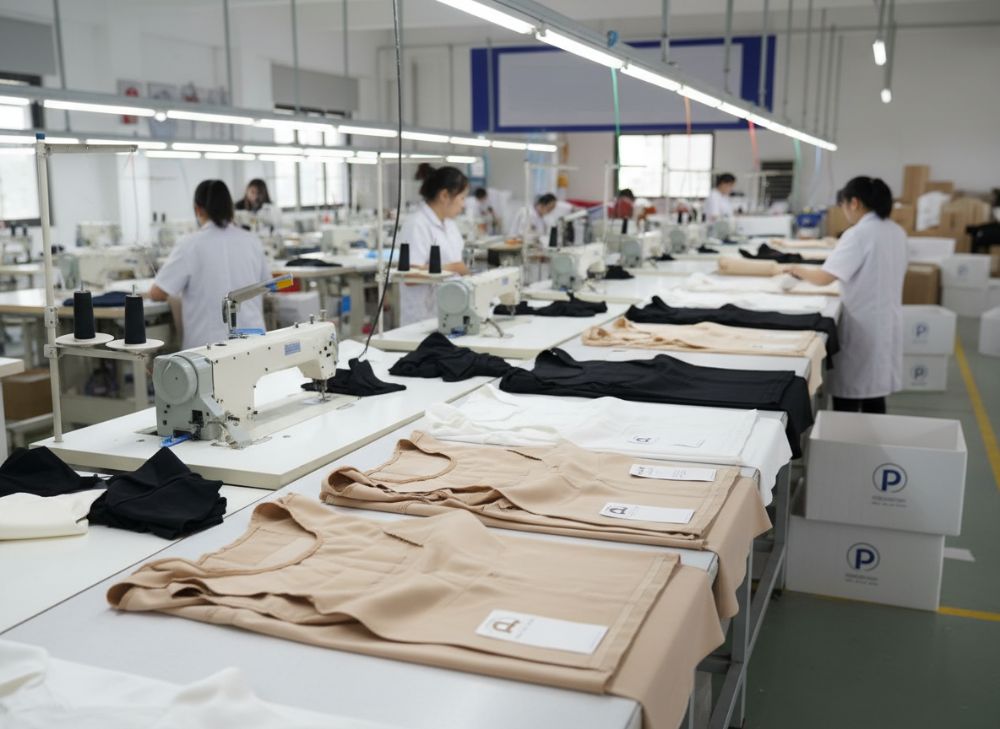
For UK importers, retailers, e-commerce brands and private label founders, choosing the right shapewear manufacturer wholesale partner is not just about price. It is about fit consistency, reliable replenishment, fabric safety, branding flexibility and smooth logistics into the United Kingdom. Buyers serving London boutiques, Manchester online stores, Birmingham wholesalers and fulfilment networks around Felixstowe or Southampton need a supplier that can support both small test runs and larger scale repeat orders without compromising quality.
In practical terms, a strong wholesale shapewear manufacturer should offer clear product development processes, verifiable compliance, transparent sample rules, realistic lead times and dependable production planning. That is why many B2B buyers evaluate partners on more than unit cost alone. They look at technical shaping capability, seamless knitting quality, custom sizing, sustainable fabric options, post-surgical product expertise, and warehouse or logistics support that can reduce landed cost risk.
For buyers entering or expanding in the UK market, S-SHAPER positions itself as a full-service OEM and ODM shapewear specialist with self-owned factory operations, advanced production systems and global fulfilment support. Its model is relevant for businesses that want a one-stop manufacturing partner rather than a simple cut-and-sew vendor.
Quick Answer
A shapewear manufacturer wholesale partner produces compression garments in bulk for B2B buyers such as private label brands, retailers, distributors, wellness businesses and online sellers. UK buyers care because the right supplier affects sell-through, return rates, compliance, gross margin and brand reputation. The best wholesale suppliers combine product development, flexible MOQ, stable quality control, OEM and ODM support, and efficient delivery into the United Kingdom.
If you need a direct buying framework, start with five checks: product specialisation, certification status, sampling process, production capacity and shipping reliability. A supplier that can help you build everyday shapewear, postpartum garments, seamless leggings and waist-shaping collections under one roof will usually give you better long-term control than a fragmented sourcing model.
| Buying Factor | Why It Matters | What UK Buyers Should Ask |
|---|---|---|
| MOQ | Controls cash flow and testing risk | Can we start with 50 to 300 pieces per style? |
| Compliance | Reduces product safety and customs risk | Which certifications apply to fabrics and factory systems? |
| Fit Development | Lower return rates and better reviews | Do you offer size grading for UK consumers? |
| Production Capacity | Supports repeat orders and seasonal peaks | Can you scale from test order to mass production? |
| Lead Time | Impacts launch calendar and stock cover | What are sample, bulk and replenishment timelines? |
| Logistics | Affects landed cost and speed | Can you support shipping to Felixstowe, London Gateway or UK 3PLs? |
The table above shows the minimum set of questions a UK buyer should ask before moving to sample approval or purchase order negotiation. It is particularly important for Amazon sellers, DTC brands and multi-channel retailers that need predictable restocking.
What Is shapewear manufacturer wholesale and Why B2B Buyers Care
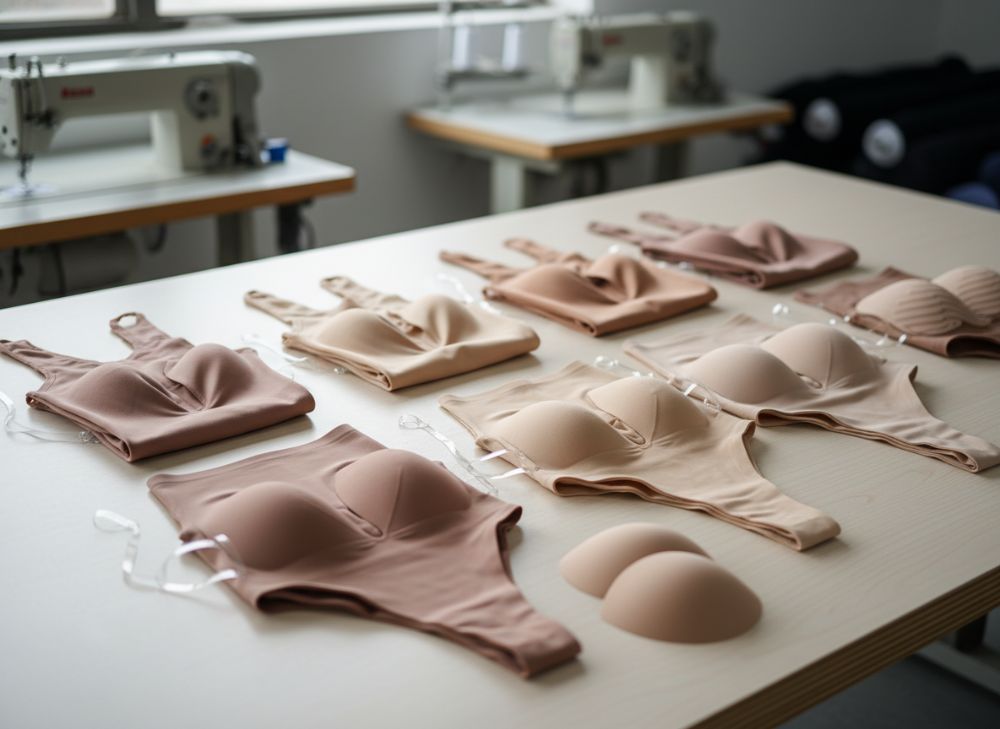
Shapewear manufacturer wholesale refers to the production and supply of body-shaping garments in bulk quantities for commercial resale rather than individual consumer purchase. These products include bodysuits, waist trainers, shaping briefs, sculpting leggings, control camisoles, recovery garments and seamless compression apparel designed for everyday wear, occasionwear, fitness, postpartum support or post-surgical use.
B2B buyers care because shapewear is a fit-sensitive category. A product that looks good in photos but rolls down, pinches at the leg opening or lacks breathability can trigger high return rates, poor reviews and discounting pressure. In the UK, where consumers compare products across marketplaces, department stores, TikTok shops and branded websites, consistency matters. Buyers need suppliers that understand compression mapping, fabric recovery, seam comfort and grading across sizes from petite to plus.
The wholesale model also matters to different industries:
- Fashion retailers stocking occasionwear and bridal underlayers.
- Activewear brands adding support leggings and shaping tops.
- Maternity and postpartum sellers targeting functional comfort.
- Medical and recovery channels needing post-procedure support garments.
- Beauty and wellness brands expanding into body-contouring apparel.
- Marketplace sellers seeking private label growth in the UK.
Demand in the United Kingdom is shaped by several local realities: a mature e-commerce market, strong demand for inclusive sizing, increasing interest in sustainable textiles and the need for fast replenishment into cities such as London, Manchester, Leeds, Glasgow and Bristol. Buyers who work with reliable wholesale manufacturers can shorten launch cycles and protect margins while adapting to trends more quickly.
The growth line above reflects the general direction many suppliers and importers see: shapewear is no longer limited to occasionwear. It is now linked to comfort, layering, body confidence, wellness and technical apparel, all of which support continued B2B demand in 2026.
shapewear manufacturer wholesale Services and Production Capabilities
When assessing a supplier, services and production capability should be reviewed together. A factory may quote a competitive price, but if it lacks development support or technical control, the savings disappear in returns, delays or rework.
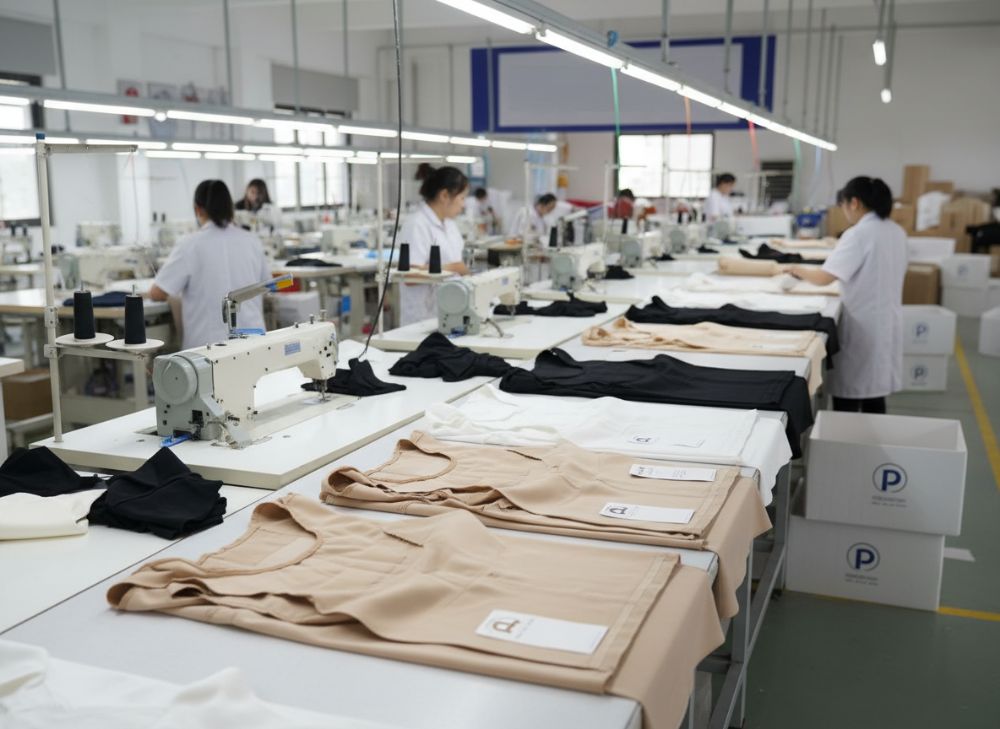
Strong production capability usually includes pattern engineering, compression zoning, size grading, fabric testing, cutting precision, seamless knitting and scalable assembly. On the technology side, S-SHAPER highlights a self-owned smart factory model with automated systems, computer-controlled cutting and three-dimensional weaving accuracy of plus or minus 0.5 mm. That level of control is valuable in shapewear because even small variations can change the pressure profile and fit. High-speed seamless knitting also helps support cleaner silhouettes and improved comfort under clothing.
From a manufacturing perspective, buyers should look for range depth. A capable shapewear manufacturer wholesale supplier should handle multiple categories rather than a single hero product. S-SHAPER’s portfolio spans C Shape, T Shape, Air Shape and HP Shape collections, along with functional lines such as far infrared leggings, bamboo waist belts and tank tops. For UK buyers, this makes cross-category line building easier, especially when launching bundles or coordinated collections.
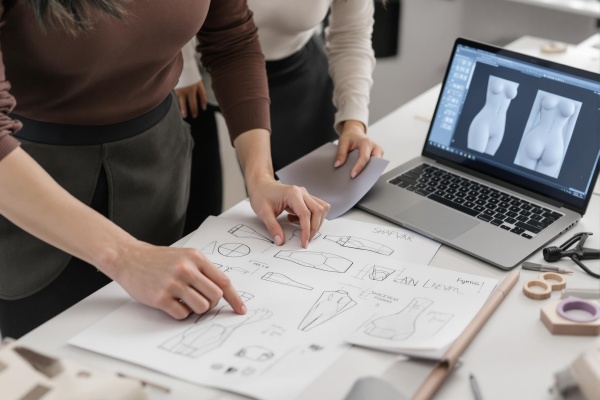
On service capability, in-house design and R&D can be a major advantage. Instead of only receiving a tech pack and producing against it, a more advanced partner can recommend fabrics, compression zones, trim alternatives, dyeing options and cost adjustments. This matters for start-ups and established brands alike. A young DTC label in Shoreditch may need market-ready guidance, while a mature chain selling through regional stores may need help improving margin through material optimisation.
| Product Type | Main Use | Typical Buyer | Key Technical Need |
|---|---|---|---|
| Seamless shaping bodysuit | Everyday wear and occasionwear | Fashion brand | Smooth seams and balanced compression |
| High-waist shaping brief | Tummy control under dresses | Retailer | Anti-roll waistband |
| Shaping leggings | Fitness and lifestyle | Activewear seller | Elastic recovery and squat coverage |
| Postpartum support garment | Recovery support | Maternity store | Comfort pressure and skin-friendly fabric |
| Post-surgical compression wear | Medical recovery | Wellness distributor | Stable sizing and soft touch interior |
| Waist belt or waist trainer | Targeted shaping | Marketplace brand | Closure strength and support panel design |
| Far infrared functional top | Wellness positioning | Specialty brand | Functional fabric integration |
This product table shows why service breadth matters. Different end uses demand different fabric weights, elasticity levels, seam structures and compliance checks. A broad manufacturing partner can help UK buyers diversify faster while keeping sourcing streamlined.
The bar chart highlights where volume tends to concentrate. Everyday shapewear and active shaping products often lead because they support repeat purchasing and wider consumer appeal.
Certifications to Check When Choosing shapewear manufacturer wholesale
Certifications are not decorative badges. They help buyers reduce operational risk. For the UK market, the relevant checks usually span factory management, material safety, social compliance and consistency of quality systems. Depending on your channel, these may also be necessary for retail onboarding or marketplace compliance.
S-SHAPER states that its operations run under ISO 9001-certified quality management, which is useful for traceability and process consistency. Buyers should also ask about eco-certified fabrics and skin-friendly material sourcing, especially for garments worn close to the body for long periods. Compression products should not only perform; they should be safe, comfortable and suitable for repeated washing.
Important certification areas include:
- ISO 9001 for quality management systems.
- Textile safety standards for dyes, finishes and chemical restrictions.
- Eco certifications relevant to sustainable fabric sourcing.
- Factory audit readiness for retailer or brand due diligence.
- Testing records for stretch recovery, colourfastness and dimensional stability.
- Social and ethical manufacturing documentation.
| Certification or Check | Purpose | Why UK Buyers Care |
|---|---|---|
| ISO 9001 | Quality management consistency | Supports process control and repeatability |
| Fabric safety testing | Checks harmful substances and wear safety | Important for close-to-skin garments |
| Colourfastness reports | Confirms dye stability | Reduces complaints after washing |
| Stretch and recovery testing | Measures elasticity performance | Critical for shapewear durability |
| Dimensional stability testing | Checks shrinkage and shape retention | Helps maintain fit consistency |
| Ethical factory audit records | Shows labour and process standards | Supports retailer and brand credibility |
| Sustainable material traceability | Verifies sourcing claims | Useful for eco-led UK brand positioning |
The table above is especially relevant if you sell through premium retail channels or present sustainability claims in your marketing. You can learn more about supplier compliance expectations by reviewing a dedicated quality assurance and compliance page before starting development.
OEM, ODM and Private Label Options at shapewear manufacturer wholesale
Most UK B2B buyers will choose between OEM, ODM and private label arrangements. The right option depends on how much control, speed and product originality you need.
OEM works best when you already have a clear design direction, measurement chart and branding requirements. The factory manufactures to your specifications and applies your labels, packaging and selected trims. This is common for established brands that have their own design language.
ODM is more collaborative. The manufacturer contributes to product creation using existing expertise, technical templates or concept development. This works well for younger brands or category extensions where buyers want a faster route to market with lower development complexity.
Private label often sits between the two. The base product may come from an existing factory capability, but branding, colourways, packaging and fit details are adapted for the buyer’s market positioning.
S-SHAPER promotes both OEM and ODM support through in-house design, material recommendations, sample creation and revision management. For UK buyers, this is useful because it shortens communication loops. A supplier with development resources can help turn mood boards or concept notes into manufacturable items without repeated vendor switching. Buyers can explore these routes through the company’s OEM and ODM service information.
| Model | Best For | Buyer Control | Speed to Market | Development Cost |
|---|---|---|---|---|
| OEM | Established brands with tech packs | High | Medium | Medium to high |
| ODM | Brands needing design support | Medium | High | Medium |
| Private label basics | Fast-entry marketplace sellers | Low to medium | Very high | Low |
| Custom private label | Niche DTC brands | Medium | Medium to high | Medium |
| Co-developed capsule range | Retail tests and seasonal drops | Medium to high | Medium | Medium |
| Exclusive fit programme | Scaling labels with repeat volume | High | Medium | High |
This comparison shows that the most economical path is not always the best strategic path. If your goal is differentiation in the UK market, a co-developed or OEM approach may create stronger long-term value than a very fast generic launch.
MOQ, Pricing and Sample Policies for shapewear manufacturer wholesale
MOQ shapes your buying risk. Lower MOQs are useful for product testing, influencer launches and first orders. Higher MOQs may unlock better costing but increase inventory exposure. In shapewear, where colour, fit and compression preferences can vary by audience, many UK buyers prefer to begin with conservative trial orders.
S-SHAPER states that production can start from 50 pieces for small-batch testing and scale up to high-volume manufacturing. That flexibility is attractive to UK start-ups and mid-sized brands alike. A Birmingham distributor may need a larger replenishment run, while a London-based DTC label may want 50 to 150 units per style for fit validation and early sales data.
Pricing usually depends on fabric composition, construction complexity, compression zoning, trim count, packaging requirements and total order quantity. Seamless garments, multi-panel compression and specialised functional fabrics often cost more than simple control briefs. Buyers should also budget for sample fees, revision rounds and shipping costs for prototypes.
| Cost Factor | Effect on Price | Buyer Tip |
|---|---|---|
| Fabric quality | High-performance yarns increase unit cost | Ask for options at two or three price levels |
| Compression complexity | More zones raise technical cost | Match complexity to real customer need |
| Seamless construction | Often improves comfort but may change cost | Compare against cut-and-sew alternatives |
| Custom dyeing | Pantone matching can add expense | Use core colours for first launch |
| Packaging and branding | Printed boxes and inserts increase spend | Keep early runs simple if cash is tight |
| MOQ size | Larger orders lower unit cost | Balance margin with sell-through certainty |
| Sample iterations | Multiple revisions increase development budget | Give precise feedback with photos and measurements |
The practical lesson is simple: cost negotiation should not start and end with the FOB figure. Total commercial value includes sample turnaround, defect rate, consistency and the ability to reorder without fit drift.
The area chart reflects a major sourcing shift. By 2026, more buyers in the UK are expected to ask not only for support and shape, but also for breathable, skin-friendly and responsibly sourced materials.
Quality Control Standards at shapewear manufacturer wholesale Facilities
Quality control in shapewear is more technical than in many basic apparel categories. A garment can appear visually acceptable but still fail in wear because the compression is uneven, the edge grips too hard, or the fabric loses recovery after a few washes. For this reason, UK buyers should ask how quality is checked at each production stage, not only at final inspection.
Strong factories normally combine incoming material inspection, in-line checks and pre-shipment audits. For shapewear, key control points include yarn and fabric quality, stretch recovery, stitch strength, waistband security, panel alignment, size consistency, colour accuracy and finished measurements after pressing and packing.
S-SHAPER emphasises strict process control in its self-owned factory and uses automated systems to support consistency. From a buyer’s perspective, self-owned manufacturing can be helpful because accountability is clearer than in heavily subcontracted models. It can also improve response time when fit or production issues arise.
| QC Stage | What Is Checked | Why It Matters |
|---|---|---|
| Raw material inspection | Fabric weight, elasticity, colour and defects | Prevents issues before production starts |
| Pattern and grading review | Measurements across size range | Supports fit consistency from XXS to 6XL |
| Cutting or knitting control | Panel precision or seamless structure | Affects symmetry and compression placement |
| In-line sewing inspection | Seams, thread tension and assembly accuracy | Reduces rework and breakage risk |
| Finished garment testing | Stretch, recovery, comfort and visual review | Checks real performance, not just appearance |
| Packing audit | Labels, barcodes, size stickers and cartons | Prevents warehouse receiving issues in the UK |
| Pre-shipment sampling | Final AQL or approved standard review | Protects buyer before dispatch |
For many UK businesses, especially those using third-party logistics providers around Northampton, Milton Keynes or East Midlands distribution zones, packing accuracy is just as important as garment quality. Wrong labels can create expensive downstream handling problems.
Lead Times and Shipping Logistics for shapewear manufacturer wholesale
Lead time planning should cover sample development, material booking, production, inspection, dispatch and final delivery to a UK warehouse. One of the biggest buying mistakes is focusing only on factory production days while ignoring transport and customs buffers.
Typical sample timelines may range from one to three weeks depending on complexity and revisions. Bulk production can range from a few weeks for straightforward replenishment to longer windows for custom fabric or high-volume orders. Buyers should also ask how the factory handles rush programmes, split shipments and rolling production for repeat bestsellers.
S-SHAPER supports international markets through a broad logistics network and multiple warehouses, which can be useful for buyers balancing speed and cost. This type of service capability matters when serving UK clients that need delivery to London Gateway, Felixstowe, Southampton or inland fulfilment hubs. For air freight, Heathrow and Manchester remain key arrival points for time-sensitive launches. For sea freight, buyers usually plan around cost efficiency and container consolidation.
Trade logistics should also be matched to sales channel:
- DTC launch: often prioritises faster sample and first-order timing.
- Retail chain supply: requires strict booking windows and carton standards.
- Marketplace sales: benefits from repeatable replenishment and barcode accuracy.
- Wholesale distribution: often needs mixed-size ratio packing and pallet planning.
| Stage | Estimated Timing | Risk Point |
|---|---|---|
| Initial enquiry and quotation | 2 to 5 days | Incomplete specifications delay costing |
| Sampling and revisions | 1 to 3 weeks | Unclear fit feedback causes extra rounds |
| Material confirmation | 3 to 10 days | Special fabric sourcing may extend schedule |
| Bulk production | 3 to 6 weeks | Peak season capacity pressure |
| Final inspection and packing | 3 to 7 days | Label errors or QC holds |
| Sea freight to UK | 4 to 6 weeks | Port congestion or customs delays |
| Air freight to UK | 3 to 10 days | Higher cost and peak-rate volatility |
The table makes clear that reliable planning depends on both factory discipline and logistics coordination. Buyers should not wait until goods are packed to discuss freight mode and customs documentation.
How to Vet and Partner With shapewear manufacturer wholesale Experts
Vetting a shapewear supplier should be structured, not intuitive. A polished catalogue does not prove technical ability. The best approach is to evaluate the supplier in stages: discovery, documentation, sampling, communication test, pilot order and long-term review.
Start by reviewing the company’s background, product specialisation and service scope. A useful first step is to assess its public profile, such as the about page and the main website, to understand whether it operates as a factory-led manufacturer or a pure trading intermediary. Factory ownership, design support and export experience are meaningful signals.
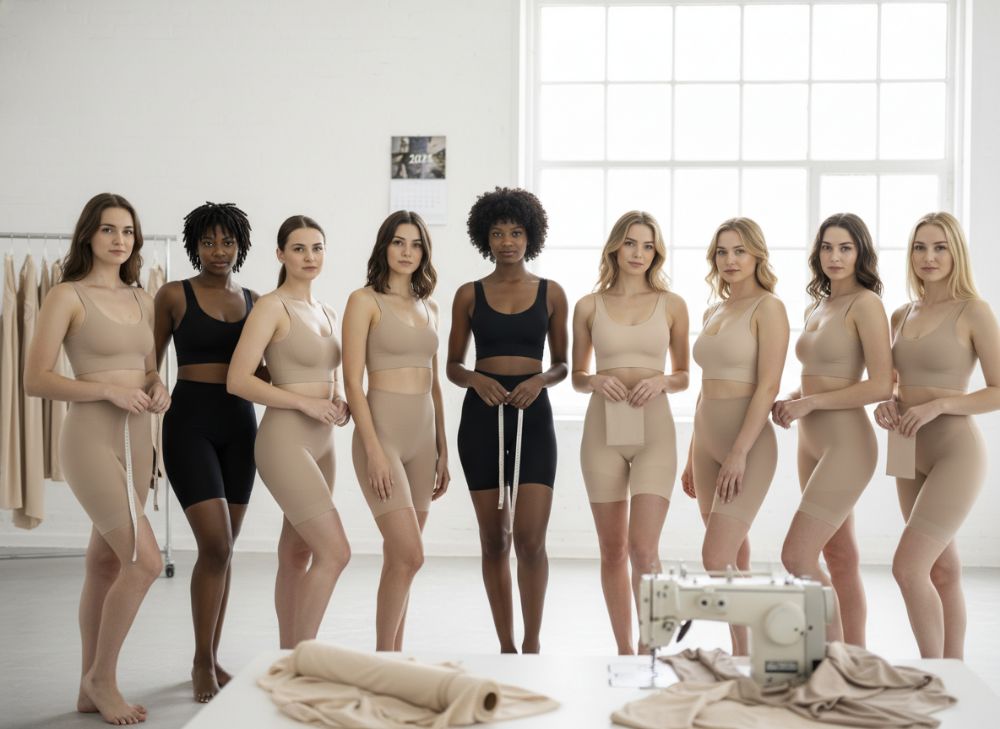
Then move into sample validation. Test at least one core style and one more complex style. Ask for detailed measurement reports, fabric composition information and wear-test performance notes. If you serve UK plus-size customers, ensure the supplier can support inclusive grading rather than simply scaling up small sizes mechanically. S-SHAPER states that it offers custom grading from XXS to 6XL, which is relevant for UK retailers aiming at wider size representation.
Case-study thinking is also useful:
- A London bridal retailer may need high-control smoothing pieces in neutral tones with reliable repeat ordering before wedding season.
- A Manchester gymwear label may want shaping leggings with moisture management and stronger recovery for social-led marketing launches.
- A Leeds postpartum specialist may need softer support products with comfort-driven compression and skin-sensitive materials.
- A Glasgow marketplace seller may start with low MOQ private label tests and later move into exclusive OEM sizing.
A good supplier partnership is built on matched expectations. The more clearly you define your target customer, price band, channel strategy and forecast, the easier it is for the manufacturer to recommend the right structure.
The comparison chart shows the profile many UK buyers seek in a long-term partner: not only technical strength, but also flexibility, logistics readiness and scale.
For 2026, three future trends should shape partnership decisions:
- Technology: more demand for precision seamless production, smart cutting, digital fit development and rapid prototyping.
- Policy: increasing attention to product traceability, responsible sourcing and clear supply-chain documentation.
- Sustainability: stronger buyer preference for eco-certified fabrics, lower-waste production and durable garments that reduce replacement frequency.
Suppliers that invest in these areas are more likely to remain useful strategic partners. For example, S-SHAPER’s combination of smart manufacturing, R&D support and scalable production capacity fits the direction many UK importers want as they prepare for tighter compliance expectations and faster trend cycles.
In commercial terms, the strongest partnerships usually share these traits:
- Clear response times and one accountable contact point.
- Willingness to suggest better materials or constructions, not just accept instructions blindly.
- Stable replenishment planning for core bestsellers.
- Transparent issue management when defects or delays occur.
- Ability to support both pilot orders and scaled repeat business.
If your business model requires a one-stop manufacturing partner with technical shaping know-how, flexible order planning and export experience, those are the areas to prioritise during vetting.
FAQ: Shapewear Manufacturer Wholesale
What is a good MOQ for first-time UK shapewear buyers?
A practical starting point is a low test quantity per style and colour, especially if you are validating fit and demand. A supplier that can support from around 50 pieces gives you more flexibility.
Should I choose OEM or ODM?
Choose OEM if you already have detailed designs and want strong brand control. Choose ODM if you need help with product development, material selection and technical shaping decisions.
What certifications matter most?
ISO 9001 is useful for process consistency, but you should also ask for fabric safety information, elasticity testing, colourfastness reports and any sustainability-related material documentation.
How long does bulk production usually take?
It depends on complexity and order size, but many programmes involve a few weeks of production plus shipping time. Always plan for inspection and customs buffers.
Can shapewear be customised for the UK market?
Yes. Common adjustments include inclusive size grading, UK-favoured neutral colour palettes, retail-ready packaging, branded labels and fit refinements based on local customer feedback.
What products are best for a new private label launch?
Many new brands start with high-waist briefs, seamless bodysuits or shaping leggings because they are commercially broad and easier to position across multiple use cases.
Is sustainable shapewear now a real B2B demand driver?
Yes. More buyers want eco-certified, skin-friendly and durable materials, especially in the United Kingdom where sustainability messaging increasingly affects brand choice.
Why work with a full-service manufacturer instead of several separate vendors?
A full-service partner can reduce coordination risk across development, sourcing, production, QC and logistics. This is especially valuable in a fit-sensitive category like shapewear.
How can I verify whether a supplier is a real manufacturing partner?
Check factory ownership or control, ask about machines and production lines, review compliance information, request samples and assess whether the supplier can explain technical construction details clearly.
What makes S-SHAPER relevant to UK wholesale buyers?
Its value proposition combines technical production capabilities, self-owned manufacturing control, in-house OEM and ODM development support, flexible MOQ and international logistics readiness. That mix suits UK brands looking for both short-term launch support and long-term scaling capacity.
For UK businesses looking to build or expand a shapewear line, the key is to select a supplier that can align product engineering, commercial flexibility and delivery performance. A capable wholesale manufacturer should help you reduce risk, improve fit outcomes and support growth from pilot order to repeat scale.