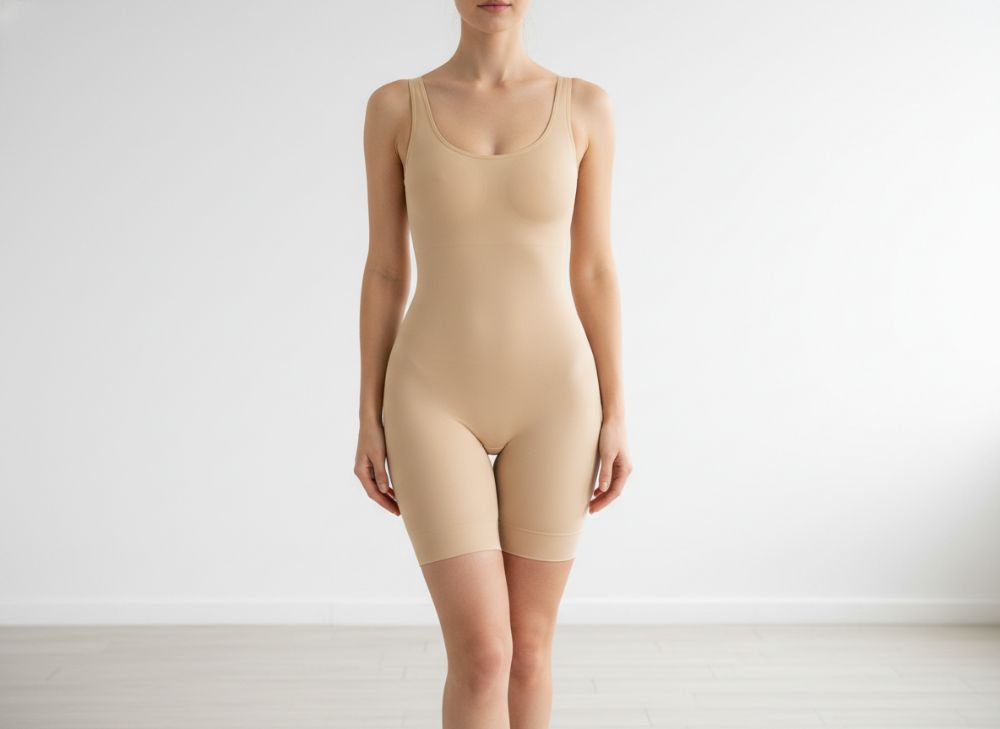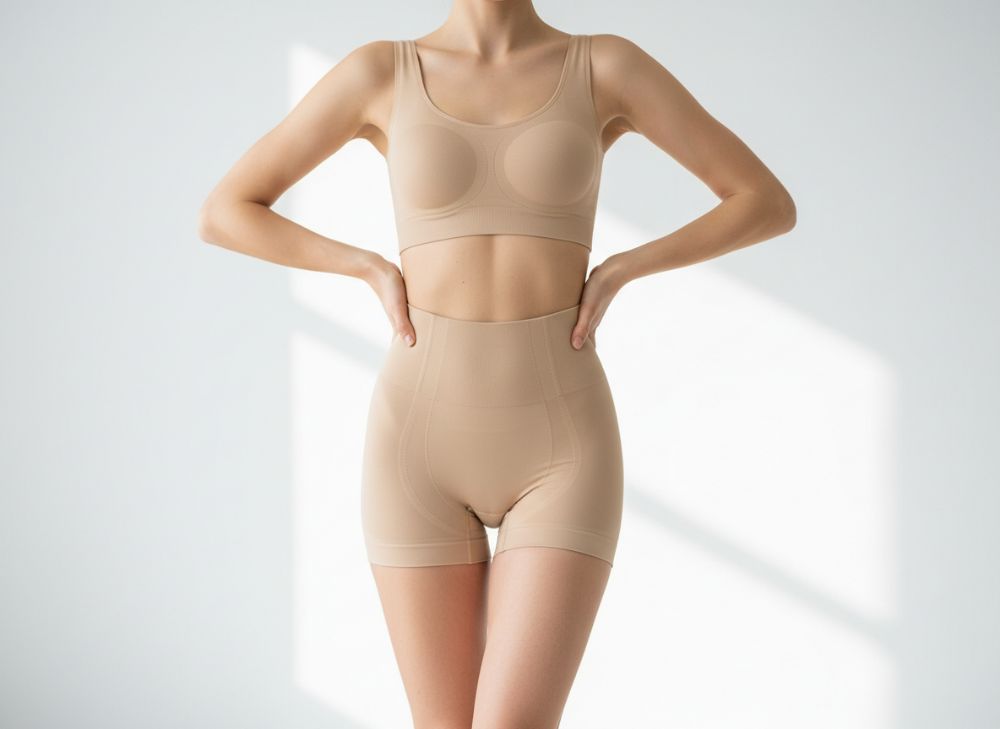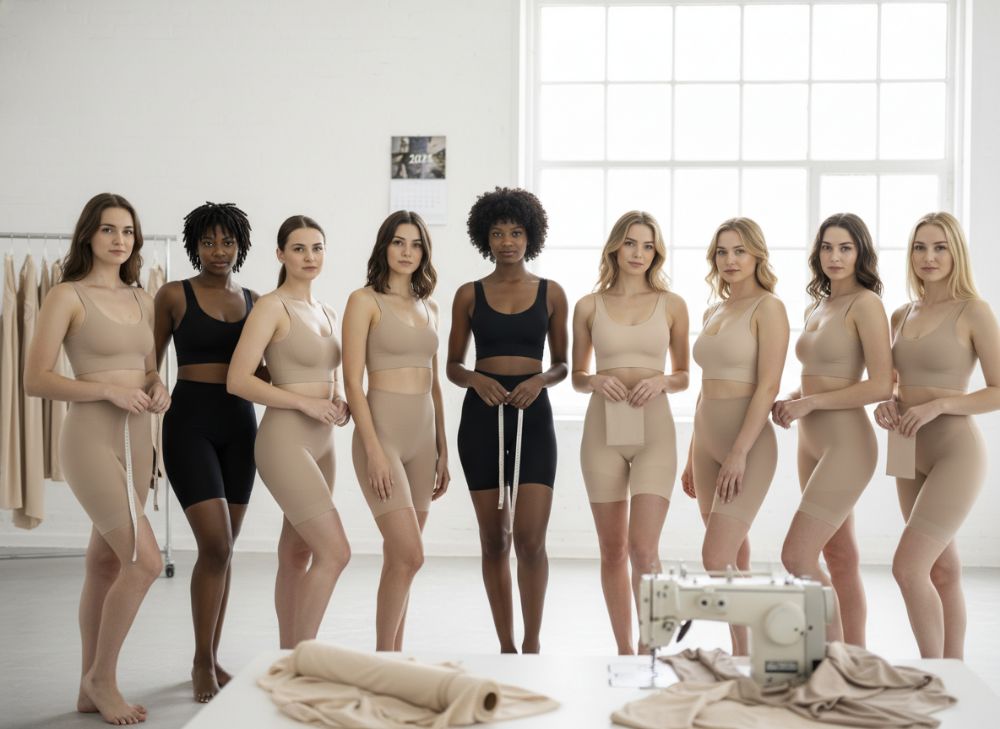
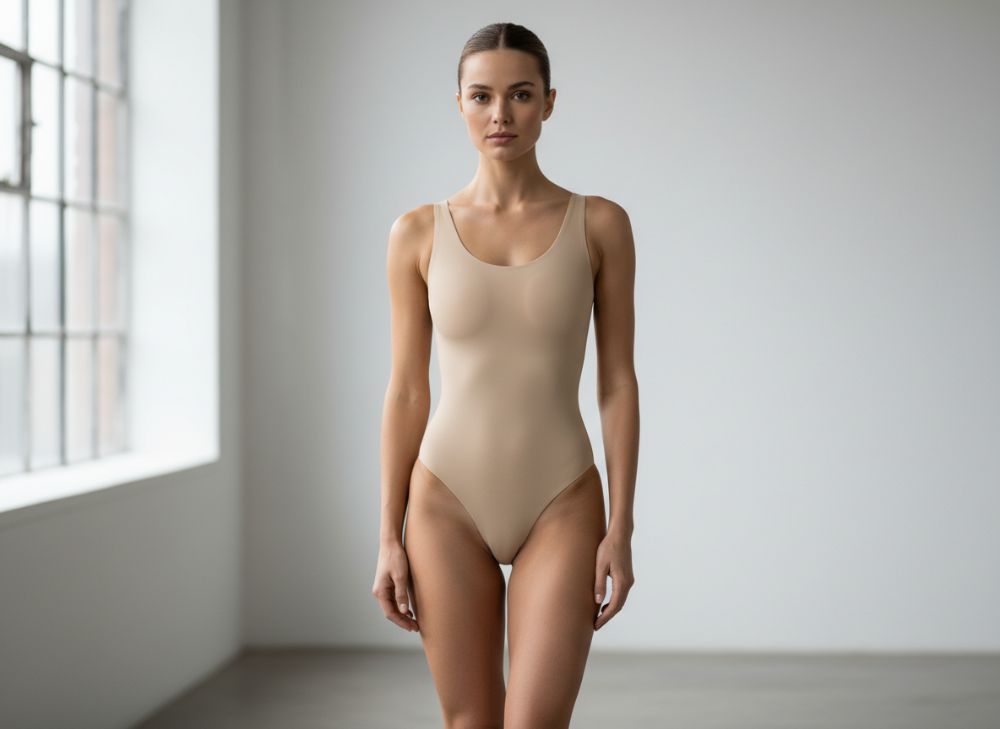
The best shapewear for tummy control depends on the buyer’s target customer, preferred compression level, garment type, and retail price point. In the United Kingdom, strong demand comes from lingerie retailers, fashion e-commerce sellers, department store suppliers, postpartum product brands, occasionwear specialists, and private-label importers looking for reliable OEM and ODM partners. Buyers typically prioritise comfort, smoothing performance, inclusive sizing, discreet wear under clothing, and repeat purchase potential. For trade buyers, the most successful products usually balance firm abdominal support with breathable fabric, clean finishing, and UK-ready sizing.
This guide explains what tummy control shapewear is, who buys it most, how to compare fabric and compression, what styles sell well, how seamless and cut-and-sew production differ, and what to expect when sourcing for the UK from leading production regions. It also covers customisation, wholesale pricing, MOQ expectations, 2026 demand forecasts, and key purchasing advice for importers in London, Manchester, Birmingham, Leeds, Glasgow, and other major British retail hubs.
Quick Answer
If a UK buyer asks for the quickest commercial answer, the best tummy control shapewear is usually a high-waist short, shaping brief, bodysuit, or waist cincher made with nylon-spandex or recycled performance blends, medium to firm compression, and a smooth outer finish suitable for everyday wear under dresses, trousers, workwear, and occasion outfits. The strongest sellers are products that combine targeted tummy panels, breathable knitting zones, anti-roll waistbands, and inclusive size grading from petite through plus size.
For B2B buyers, the best option is rarely a single style. Instead, it is a small range built around three core needs: daily smoothing, event-focused shaping, and recovery or support-oriented wear. In the UK market, products with flexible return rates, clear size charts, neutral colourways, and soft-touch fabric tend to outperform overly rigid garments that cause discomfort after prolonged use.
| Buying Goal | Recommended Product | Compression Level | Best For | Typical UK Retail Segment | Commercial Advantage |
|---|---|---|---|---|---|
| Daily wear | High-waist shaping brief | Medium | Office, casual outfits | Mid-market e-commerce | Low return risk |
| Dress smoothing | Seamless shaping shorts | Medium to firm | Bodycon dresses, skirts | Fashion boutiques | Strong repeat demand |
| Special events | Full bodysuit | Firm | Weddings, parties | Occasionwear sellers | Higher margin |
| Postpartum support | Support belt or recovery short | Adjustable | New mothers | Maternity specialists | Niche customer loyalty |
| Plus-size shaping | Reinforced high-waist short | Medium to firm | Curve market | Inclusive lingerie brands | Broad audience reach |
| Wellness positioning | Functional shaping leggings | Light to medium | Travel, light activity | Wellness and activewear | Differentiated branding |
The table above shows why “best” should be defined by usage, target user, and retail channel rather than by compression alone. UK consumers increasingly want shapewear that supports confidence without feeling restrictive.
What Is Tummy Control Shapewear and Who Buys It Most?
Tummy control shapewear is a category of body-shaping apparel designed to smooth, support, and contour the abdomen and waist area. It may also provide support to the lower back, hips, thighs, or bust depending on the garment style. Construction can include reinforced front panels, ribbed knit zones, bonded edges, double-layer mesh, powernet inserts, or compression knitting.
In the UK, the strongest buyer groups include:
- Lingerie and underwear retailers seeking dependable basics with strong reorder rates
- Fashion labels adding shapewear to complement dresses, tailoring, and occasionwear
- Online marketplaces and Amazon-focused sellers targeting broad-value shoppers
- Postpartum and recovery brands requiring support-focused designs
- Department store suppliers needing scalable production and quality compliance
- Private-label importers building house brands for boutiques and chain stores
Demand is especially visible around key retail centres and logistics corridors such as London Gateway, Felixstowe, Southampton, Birmingham, and Manchester, where import, warehousing, and distribution decisions influence lead times and landed cost. Buyers serving premium London boutiques may favour softer premium fabrics and refined packaging, while volume-focused sellers in Manchester or Leicester may prioritise competitive FOB pricing and fast replenishment.
| Buyer Type | Main Need | Typical Volume | Preferred Features | Price Sensitivity | Key Risk Concern |
|---|---|---|---|---|---|
| Lingerie chain | Core replenishment | High | Consistent fit, neutral colours | Medium | Size inconsistency |
| Fashion e-commerce brand | Trend-led sales | Medium | Invisible under clothing, modern cuts | High | Returns due to discomfort |
| Occasionwear seller | Event support wear | Medium | Firm shaping, smooth seams | Low to medium | Visible lines |
| Maternity brand | Postpartum support | Low to medium | Adjustability, soft lining | Medium | Insufficient support |
| Marketplace importer | Fast-moving SKU range | High | Broad size range, low MOQ packs | Very high | Reviews and refunds |
| Private-label startup | Brand launch | Low | Custom packaging, OEM flexibility | High | MOQ pressure |
For new entrants, understanding the end user is critical. A shapewear brief for a post-surgical or postpartum range cannot be treated the same way as a seamless smoothing brief for daily office wear.
Key Specifications of Tummy Control Shapewear: Fabric and Compression
The success of tummy control shapewear often comes down to technical specification. Fabric determines stretch, hand feel, breathability, opacity, and durability. Compression determines shaping effect, comfort, and consumer satisfaction. In the UK market, buyers increasingly request soft-touch constructions that can perform through long wear during commuting, workdays, evening events, and travel.
Common fabric choices include nylon-spandex, polyester-spandex, powernet, modal blends, bamboo-derived fibres, and recycled yarn blends. Premium products may use zoned knitting for support where needed and lighter ventilation areas elsewhere. Compression is often defined in light, medium, firm, or extra firm categories. However, testing should focus on real wear comfort, not just label language.
Some advanced manufacturers integrate precise digital cutting, 3D shaping structures, and seamless knitting systems to create more consistent compression placement. A supplier such as S-SHAPER’s quality and compliance team can be relevant for buyers who need reliable production control and internationally aligned standards before entering the UK retail channel.
| Specification Area | Common Options | Commercial Impact | Best Use Case | Buyer Checkpoint | UK Market Preference |
|---|---|---|---|---|---|
| Base fabric | Nylon-spandex | Soft stretch and recovery | Everyday shapewear | Stretch retention | Very strong |
| Reinforcement panel | Powernet or double layer | Better tummy hold | Firm control | Breathability | Strong |
| Compression level | Light | Easy comfort | Daily basics | Consumer clarity | Moderate |
| Compression level | Medium | Balanced support | Mainstream retail | Fit testing | Very strong |
| Compression level | Firm | Visible shaping | Occasionwear | No-roll design | Strong |
| Moisture control | Wicking yarns | Better wear comfort | All-day use | Wash test | Growing demand |
In practical sourcing terms, ask suppliers for fabric composition, GSM where relevant, stretch percentage, recovery data, wash performance, pilling resistance, colour fastness, and fit test results. This helps reduce costly complaints after launch.
Popular Styles and Size Options for Tummy Control Shapewear
The UK market supports a wide product mix. High-waist shaping briefs remain a staple because they are easy to size, familiar to the end consumer, and suitable for multipack or entry-price merchandising. Shaping shorts sell strongly under dresses and skirts. Bodysuits, especially thong-back and open-bust versions, appeal to premium customers wanting all-over smoothing. Waist cinchers and belts serve both fashion and support niches.
Size inclusivity matters more than ever. UK buyers often need conversion support between UK, EU, and international size systems. Extended sizing from XXS to 6XL is commercially useful when the target market includes plus-size retailers, postpartum users, or body-positive branding strategies.
| Style | Core Benefit | Typical Compression | Best Retail Channel | Common Sizes | Return Risk Level |
|---|---|---|---|---|---|
| High-waist brief | Simple tummy smoothing | Medium | Lingerie and online | XS-4XL | Low |
| Shaping shorts | Tummy and thigh smoothing | Medium to firm | Dresswear retailers | S-5XL | Low to medium |
| Open-bust bodysuit | All-over shaping with bra flexibility | Firm | Premium and bridal | S-3XL | Medium |
| Thong bodysuit | Invisible under fitted clothing | Medium | E-commerce fashion | XS-XXL | Medium |
| Waist cincher | Targeted waist focus | Firm | Fitness and fashion | XS-6XL | Medium to high |
| Postpartum support short | Recovery support | Adjustable medium | Maternity specialists | S-4XL | Medium |
The table shows why style selection should match channel strategy. If a UK importer is starting with a narrow SKU list, a combination of high-waist briefs, shaping shorts, and one bodysuit style usually gives the strongest market coverage.
Brands with strong digital growth often also add skin-tone options tailored to diverse UK consumers. Black, nude, sand, cocoa, and seasonal limited shades can improve conversion, especially for online-first brands.
Seamless vs Cut-and-Sew Tummy Control Shapewear Methods
Seamless and cut-and-sew are the two main product construction approaches. Each has clear commercial value. Seamless shapewear is popular because it reduces visible lines, improves flexibility, and creates a modern premium feel. It is especially strong for leggings, briefs, shorts, and body-sculpting basics. Cut-and-sew shapewear is useful where precise panels, heavy control zones, or more complex constructions are needed.
Seamless production is increasingly preferred for mainstream UK retail because it supports comfort and wearability. Advanced suppliers use high-speed knitting systems and fine tolerance control to create shaping zones with minimal irritation. Cut-and-sew remains important for stronger waist cinchers, postpartum garments, and premium tailored structures.
| Method | Main Strength | Main Limitation | Typical Products | Cost Position | UK Use Trend |
|---|---|---|---|---|---|
| Seamless | Smooth appearance | Less structural rigidity | Briefs, shorts, leggings | Mid | Rising strongly |
| Seamless | Comfort for long wear | Complex design limitations | Daily shapewear | Mid | Very strong |
| Cut-and-sew | Targeted panel placement | Can show seam lines | Bodysuits, cinchers | Mid to high | Stable |
| Cut-and-sew | Stronger control potential | Higher fit risk | Postpartum support | Mid | Niche but important |
| Hybrid | Combines comfort and support | More complex production | Premium styles | High | Growing |
| Bonded finish | Cleaner edge aesthetic | Higher technical demand | Invisible shapewear | High | Growing in premium retail |
For buyers comparing factories, it is important to ask whether seamless is truly produced in-house or subcontracted. This affects lead times, quality consistency, and development speed. Manufacturers with smart cutting, 3D weaving precision, and seamless knitting capabilities can normally support broader collections with better technical consistency.
How to Customise Tummy Control Shapewear for Private Label
Private-label customisation is one of the biggest opportunities in the UK shapewear sector. Buyers launching under their own brand can customise fit, fabric feel, compression zones, packaging, labelling, and colour stories. The most successful projects are not based only on a logo application. They are built around a clearly defined customer promise, such as bridal smoothing, everyday confidence, curve support, postpartum recovery, or eco-conscious comfort.
Custom options usually include:
- Brand labels, heat transfers, woven labels, and printed care labels
- Custom colour matching using Pantone references
- Compression adjustments by panel or knitting zone
- Extended sizing and customised grading
- Eco-focused fabrics or certified material selections
- Retail packaging, insert cards, zip bags, and barcode preparation
UK buyers entering the market often benefit from working with a supplier that offers both OEM and ODM support. With OEM and ODM shapewear services, a buyer can either provide finished technical packs or develop a new range from concept and samples through to bulk production.
From a technology standpoint, strong private-label suppliers should offer digital pattern control, accurate grading, sample revision management, and compression testing. From a manufacturing standpoint, scalable production matters: small pilot runs may start at low MOQs, but successful UK brands often need rapid repeat orders before Black Friday, Christmas, wedding season, or summer holiday peaks. From a service standpoint, responsive communication, fit support, and practical export coordination are as important as the sewing itself.
Wholesale Pricing and MOQ for Tummy Control Shapewear Orders
Wholesale pricing depends on garment complexity, fabric, compression, trim details, packaging, order volume, and whether the order is stock-supported, OEM, or fully customised ODM. For the UK import market, buyers should assess total landed cost rather than FOB alone. Freight route, customs handling, warehousing, and packaging format all affect margin. Shipments entering through Felixstowe, Southampton, or London Gateway may follow different cost structures depending on consolidation strategy.
Small startup buyers may start with low MOQs around 50 pieces per style or colour in some flexible programmes, while larger importers may place thousands of units per SKU. Bodysuits, structured cinchers, and specialist postpartum products usually cost more than basic briefs.
| Product Type | Typical MOQ | Indicative Wholesale Range (USD) | Customisation Level | Lead Time Range | Margin Potential in UK |
|---|---|---|---|---|---|
| Basic shaping brief | 100-300 pcs | 2.50-4.20 | Low to medium | 15-30 days | Good |
| Seamless shaping shorts | 100-300 pcs | 3.80-6.50 | Medium | 20-35 days | Very good |
| Open-bust bodysuit | 150-500 pcs | 6.80-11.50 | Medium to high | 25-40 days | High |
| Waist cincher | 100-500 pcs | 5.00-9.50 | High | 20-40 days | High |
| Postpartum support style | 100-300 pcs | 6.50-12.00 | High | 25-45 days | High |
| Functional leggings | 200-500 pcs | 7.50-14.00 | Medium to high | 25-40 days | Good to high |
The figures above are broad trade estimates and should be validated against current fabric pricing, trim costs, and compliance requirements. Buyers should request quotations with clear inclusion of packaging, labels, testing expectations, and delivery terms.
Tummy Control Shapewear Market Trends and Demand Forecast 2026
The UK shapewear market is moving beyond old perceptions of restrictive undergarments. Demand is increasingly led by comfort-first shaping, inclusive fit, and multifunctional garments that support fashion, work, travel, and wellness lifestyles. By 2026, the strongest growth is likely to come from seamless comfort shaping, plus-size inclusive collections, postpartum support segments, and sustainable material positioning.
Technology will continue to shape the market. Buyers are showing more interest in seamless knitting, 3D body-mapping, moisture management, and fabric innovations that deliver shaping without excessive stiffness. Policy and sustainability trends also matter. UK retailers are under growing pressure to document supply chains, evaluate packaging waste, and improve environmental credentials. Products made with eco-certified materials, recycled yarn blends, and traceable manufacturing processes are likely to gain more shelf space.
The line chart indicates a realistic upward growth path driven by e-commerce expansion, eventwear recovery, body-positive styling, and a stronger product mix across mainstream and premium channels.
This bar chart highlights where B2B demand is likely to concentrate. Lingerie and fashion e-commerce remain the largest channels, but specialist postpartum and bridal sectors offer strong margin opportunities.
The area chart shows a shift away from overly rigid control garments and toward comfort-oriented shaping, which aligns closely with current UK consumer expectations.
Looking ahead to 2026, three trends are especially important:
- Tech trend: better knitting precision, zone compression, and skin-friendly performance fabrics
- Policy trend: stronger attention to traceability, labelling accuracy, and responsible sourcing
- Sustainability trend: recycled fibres, lower-waste production, and recyclable or reduced packaging
Tips for Sourcing Tummy Control Shapewear From Top Regions
Top sourcing regions for shapewear include China, Turkey, parts of Southeast Asia, and selected specialist manufacturers in Europe. For UK buyers, each region offers trade-offs between price, speed, technical capability, and flexibility.
China remains highly competitive for buyers needing full-service development, broad style range, advanced seamless capacity, and scalable production. Turkey can be attractive for shorter lead times into Europe. Some Southeast Asian sources may be competitive in basic volume categories. However, the best sourcing choice depends on whether the buyer needs innovation, low MOQ testing, technical support, or mass production.
When evaluating a supplier, UK buyers should check:
- Sampling speed and fit revision process
- In-house versus outsourced production steps
- Compliance documentation and quality systems
- Compression consistency across sizes
- Packaging flexibility for UK retail or fulfilment requirements
- Ability to handle replenishment before seasonal peaks
The comparison chart shows why many UK buyers continue to source from China for technical breadth and cost efficiency, while also considering nearshore regions where speed matters more than maximum margin.
For buyers seeking a one-stop partner, S-SHAPER offers a shapewear-focused manufacturing model that is relevant to UK importers needing technology, scale, and product development support in one place. Its strength lies in combining smart factory systems, precise shaping production, and flexible OEM/ODM service.
From a technological capability perspective, the company’s manufacturing base supports advanced smart cutting, high-speed seamless knitting, and precision 3D shaping processes that help deliver stable fit and cleaner garment performance. From a manufacturing capability perspective, its self-owned factory structure, multiple production lines, and scalable output support both test orders and larger replenishment programmes. From a service capability perspective, its design and development support can help UK brands refine compression placement, packaging, and market-ready styling for different customer segments. Buyers can learn more through the company overview page.
In practical terms, a UK startup launching a private-label range may value low-MOQ development and quick sample revisions. A larger chain may instead prioritise multi-style consistency, repeatability, and clear quality assurance processes. A supplier with internal technical control generally performs better across both scenarios.
FAQ: Best Shapewear For Tummy Control
What is the best-selling tummy control shapewear style in the UK?
High-waist shaping briefs and shaping shorts are typically the most consistent sellers because they are easy to wear, relatively simple to size, and suit a broad range of outfits.
Which compression level is best for most consumers?
Medium compression is usually the safest commercial choice. It gives noticeable support while remaining comfortable enough for repeat wear.
Is seamless shapewear better than cut-and-sew?
Not always. Seamless is often better for comfort and invisibility under clothing, while cut-and-sew is useful for stronger panelled support and specialist applications.
What sizes should a UK buyer stock first?
A practical launch range often starts with XS to XXL or UK 6 to 18, but extended size coverage up to 4XL or 6XL improves market reach, especially for online sellers.
How can buyers reduce returns?
Use accurate size charts, realistic compression descriptions, clear fit photography, and pre-shipment fit approvals. Avoid overstating shaping claims.
What fabrics are most popular?
Nylon-spandex blends remain the most commercially versatile due to stretch recovery, smooth hand feel, and compatibility with seamless constructions.
What MOQ is realistic for a new private-label brand?
It depends on the supplier, but flexible manufacturers may support small trial orders from around 50 pieces, especially for sample-led development or limited SKU testing.
What should UK importers ask before placing an order?
Ask about compliance, sizing standards, wash performance, compression consistency, delivery terms, packaging options, sampling timelines, and replenishment capacity.
Are sustainable shapewear options commercially viable?
Yes. Recycled yarns, eco-certified fabrics, and reduced-plastic packaging are increasingly attractive, especially for premium e-commerce and values-driven retail brands.
Who should consider working with a specialist shapewear manufacturer?
Any buyer needing technical fit, targeted compression, inclusive sizing, or a mix of seamless and structured products will generally benefit from a specialist rather than a general apparel factory.
For the UK market, the best shapewear for tummy control is the product range that aligns performance, comfort, sizing, and sourcing discipline. Buyers who define their customer clearly, test compression honestly, and work with an experienced manufacturer are best positioned to build long-term sales and lower return rates.