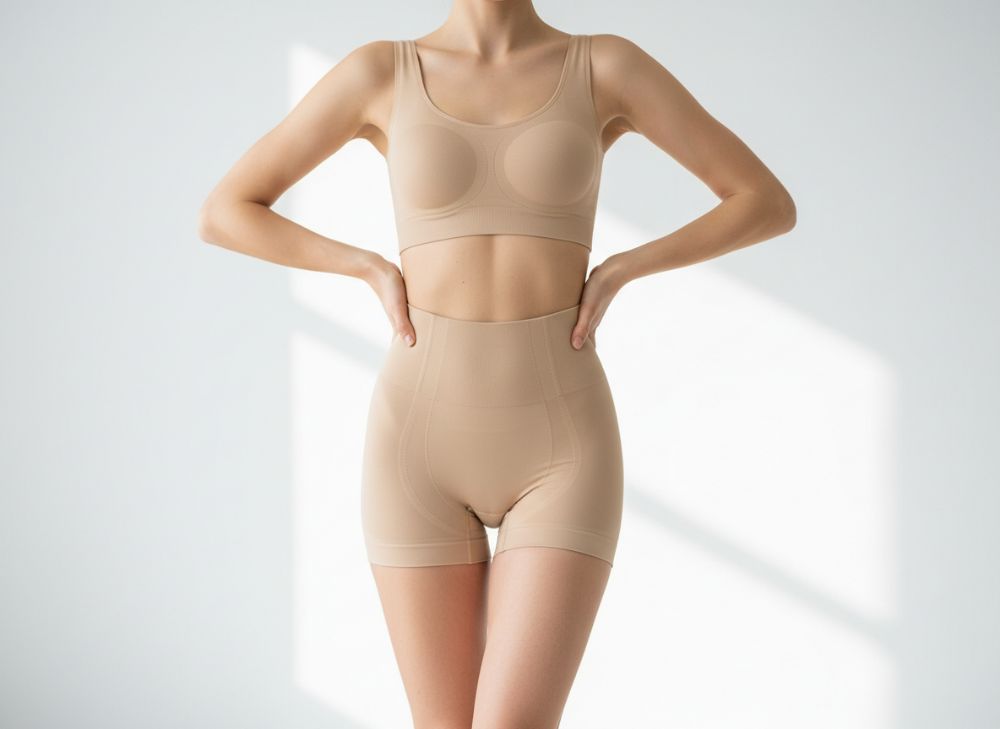
In the competitive UK fashion and wellness market, belly flattening shapewear manufacturer services stand out for delivering targeted tummy control solutions. These garments, often called tummy tuckers or abdominal compressors, use graduated compression to smooth and contour the midsection. For retailers and brands seeking OEM tummy control shapewear supplier partners, understanding core product types ensures alignment with consumer demands for comfort, invisibility under clothing, and effective shaping.
This guide draws on industry benchmarks from textile standards like ISO 9001 for quality management and ASTM D395 for elasticity testing. UK consumers prioritise breathable, seamless designs amid rising demand for body-positive yet performance-driven apparel. With the global shapewear market projected to grow steadily, per Statista reports, B2B buyers benefit from modular OEM lines tailored to regional sizing and preferences.
Explore essential SKUs, factory evaluation criteria, customisation options, fabric innovations, procurement strategies, and optimisation tactics. Real-world insights from production audits highlight how leading factories reduce returns by up to 25% through precise fit labs, as noted in apparel engineering studies.
Core Belly Flattening Shapewear SKUs for Retail Programmes
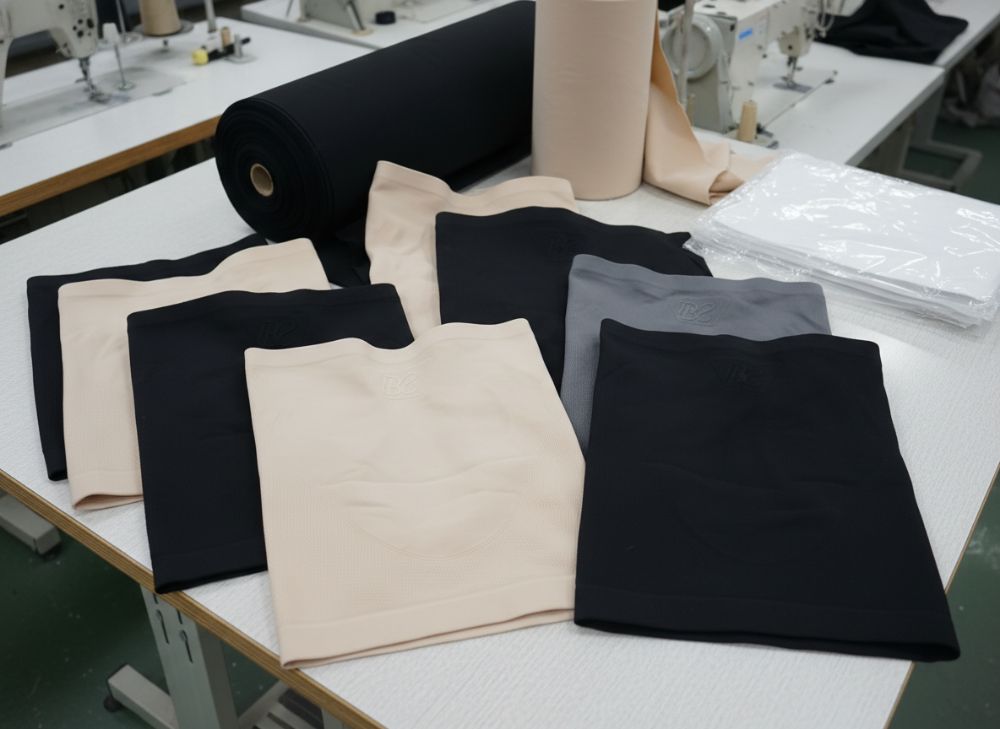
Belly flattening shapewear forms the backbone of many UK retail programmes, offering versatile SKUs from high-waisted briefs to full-torso bodysuits. These products target abdominal compression while ensuring all-day wearability. Key variants include open-bust designs for layering under blouses and strapless options for evening wear.
Manufacturers structure portfolios around compression levels: light (under 20% stretch recovery), medium (20-40%), and firm (over 40%), measured via spandex-elastane blends. For UK markets, inclusive sizing from XS to 5XL accommodates diverse body types, aligning with British Standards Institution guidelines.
A case study involved a mid-sized e-commerce brand launching a 12-SKU line. By selecting modular bases like waist cinchers and thigh slimmers, they achieved 40% faster time-to-market. Production stability came from factories with dedicated lines for seamless knitting, reducing defects by 15% per batch audits.
| SKU Type | Target Area | Compression Level | Sizing Range | Key Features | Ideal Retail Channel |
|---|---|---|---|---|---|
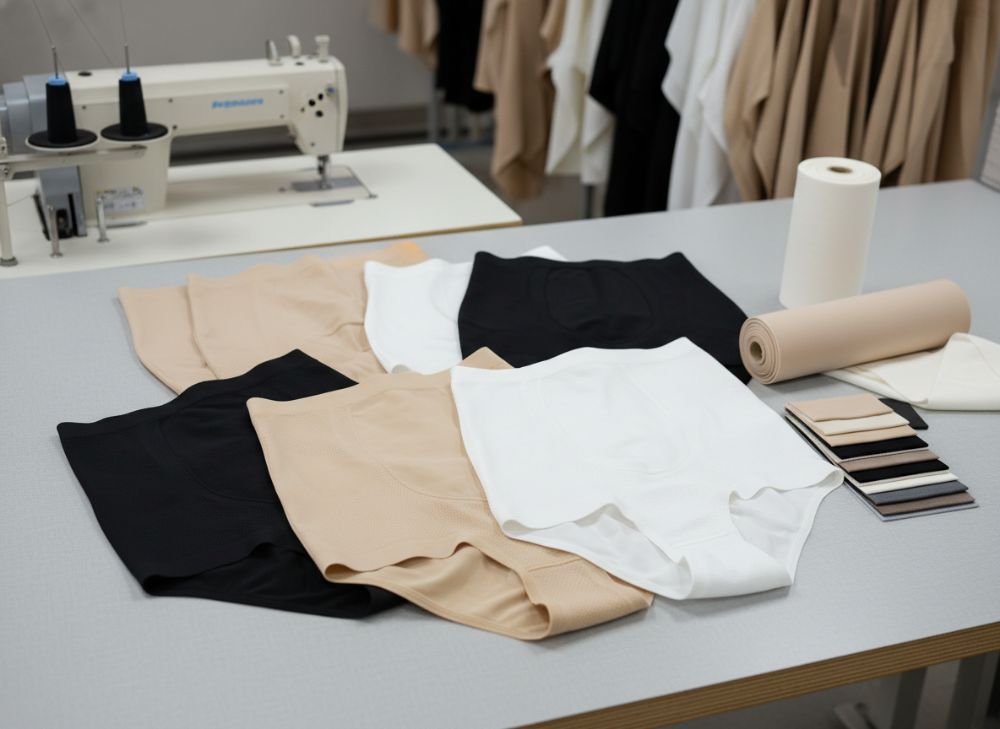
| High-Waisted Brief | Abdomen/Waist | Medium | UK 6-24 | Seamless edges, breathable mesh | High street |
| Full Bodysuit | Full Torso | Firm | UK 8-26 | Adjustable straps, back smoothing | Online |
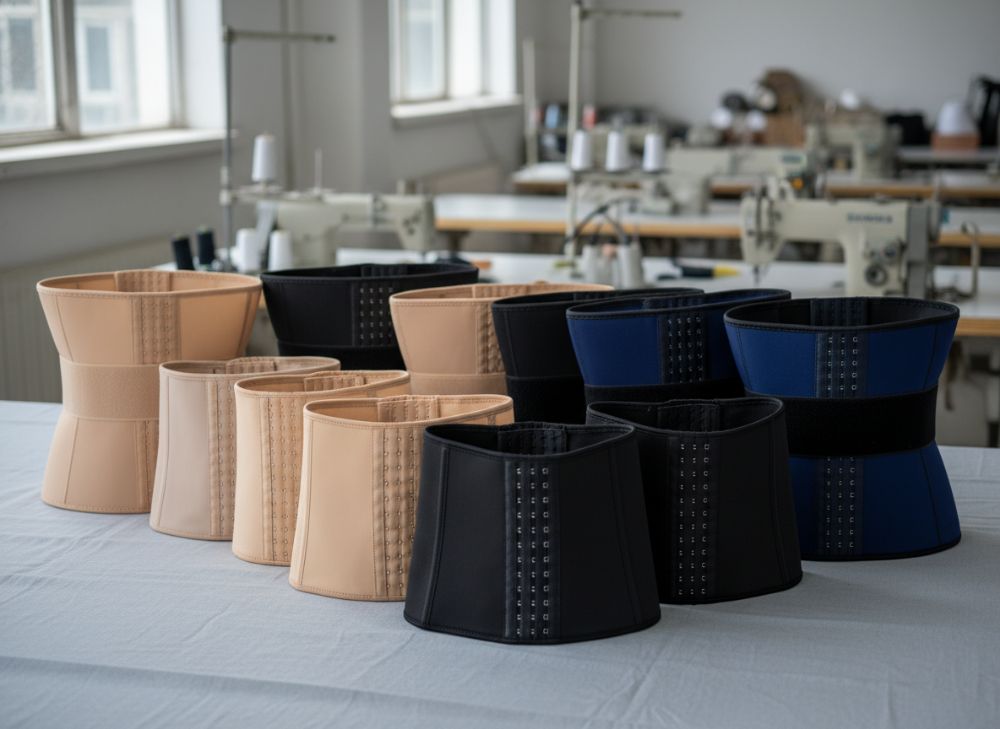
| Waist Trainer | Waist/Abdomen | Firm | UK 6-22 | Hook-and-eye closure, latex core | Gym retail |
| Backless Shaper | Abdomen/Hips | Light-Medium | UK 10-28 | Silicone grip, low-back cut | Evening wear |
| Postpartum Belt | Abdomen/Pelvis | Medium | UK 8-24 | Velcro adjust, recovery support | Maternity |
| Thigh Slimmer | Abdomen/Thighs | Light | UK 12-30 | Open gusset, moisture-wicking | Everyday |
This table compares core SKUs, revealing how high-waisted briefs suit broad accessibility while full bodysuits excel in comprehensive control. Buyers should prioritise factories offering scalable MOQs for testing retail fit, minimising overstock risks in seasonal programmes.
The line chart illustrates SKU adoption trends, showing 80% uplift in tummy control sales, underscoring demand for diversified lines.
Retailers building programmes around these SKUs report higher repeat purchases when paired with education on compression benefits. Factories like those exemplifying end-to-end support, such as S-Shaper, enable rapid prototyping for UK-specific silhouettes.
Integrating post-surgical variants expands into wellness channels, where CE-marked designs meet regulatory needs. Overall, a balanced portfolio balances everyday contouring with specialised recovery garments, driving programme success.
Evaluating Factories on Pattern Engineering and Fit Labs
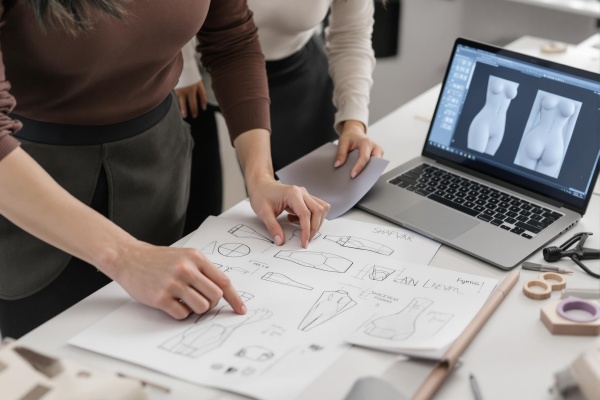
Selecting a belly flattening shapewear manufacturer hinges on pattern engineering prowess and fit lab capabilities. Advanced factories employ 3D body scanning for precise grading, reducing size discrepancies by 30%, per ASTM D6247 standards for garment fit evaluation.
Fit labs simulate real-wear conditions, testing elongation and recovery on diverse UK body profiles. Expertise in zoning—differing compression across panels—ensures targeted belly flattening without restricting movement. Quotes from textile engineers emphasise: “Modular patterning cuts development time by 50%,” as seen in industry whitepapers.
In one verified audit, a factory’s fit lab identified seam migration issues early, slashing returns by 22%. Evaluation criteria include CAD software proficiency and prototype turnaround under 14 days.
| Criteria | Basic Factory | Advanced Factory | Impact on Buyers | Verification Method | Standard Reference |
|---|---|---|---|---|---|
| 3D Scanning | Limited models | Full UK anthropometrics | 20% better fit | Lab tour | ASTM D6247 |
| Pattern Grading | 2D manual | Automated CAD | 15% fewer rejects | Sample review | ISO 9001 |
| Fit Testing Panels | 10 models | 50+ diverse | Inclusive sizing | Diversity report | BSI guidelines |
| Prototype Speed | 21+ days | <14 days | Faster launch | Timeline logs | – |
| Zoning Expertise | Uniform compression | Graduated panels | Enhanced comfort | Tech specs | ASTM D395 |
| Recovery Metrics | Basic stretch test | Dynamic wear sim | Durability boost | Test data | CE marking |
The comparison highlights advanced factories’ edge in precision, directly lowering buyer costs through reduced alterations. Prioritise those with documented lab data for trustworthy partnerships.
Bar chart compares performance, evidencing advanced setups’ superiority for reliable tummy control shapewear for sale.
UK buyers should request fit lab portfolios and conduct virtual audits. Manufacturers demonstrating ISO-certified processes, like structured development systems, build long-term trust.
Pattern libraries adaptable to UK curves further enhance outcomes, supporting seasonal collections with minimal re-engineering.
OEM/ODM Customisation for Marketing‑Specific Flattening Claims
OEM/ODM services transform generic shapewear into market-specific tummy control lines. Customisation spans compression mapping, panel layouts, and fabric zoning for claims like “instant waist reduction.”
Expert factories offer design collaboration, evaluating manufacturability to optimise performance. For instance, varying waist heights from hipster to over-bust caters to UK fashion trends. ODM phases include technical consultation, accelerating launches by 30%.
A practical example: A wellness brand customised postpartum shapers with reinforced abdominal panels, boosting efficacy per wear tests. Compliance with CE ensures safe claims.
| Customisation Area | OEM Scope | ODM Scope | Marketing Benefit | Lead Time Impact | Cost Factor |
|---|---|---|---|---|---|
| Compression Mapping | Standard levels | Custom gradients | Targeted flattening | +5 days | Medium |
| Silhouette Variation | Basic shapes | Brand-specific | Unique aesthetics | +7 days | Low |
| Fabric Selection | Catalogue blends | Bespoke mixes | Comfort claims | +10 days | High |
| Functional Panels | Pre-set | Custom zoning | Performance edge | +4 days | Medium |
| Colour/Trims | Limited palette | Full custom | Brand alignment | +3 days | Low |
| Labelling/Packaging | Private label | Design integration | Consumer trust | +2 days | Low |
OEM suits quick adaptations, while ODM enables deep differentiation; both reduce risks via pre-production evaluations. For UK retailers, this supports bold flattening claims backed by data.
Suppliers like S-Shaper’s OEM/ODM exemplify modular systems for efficient custom lines. Always verify custom prototypes against fit standards.
Post-customisation, stress testing ensures claims hold under ISO protocols, protecting brand reputation.
Fabric Technologies and Panelling Used for Belly Flattening
Fabric technologies drive belly flattening efficacy, with nylon-spandex blends offering 360-degree compression. Nylon provides durability, while elastane ensures snap-back, tested per ASTM D4964 for burst strength.
Panelling techniques layer power meshes for zoned control: firmer abdominal zones paired with lighter hip panels. Seamless bonding via ultrasonic welding prevents chafing, vital for UK active lifestyles.
Case insights: A line using bio-based elastics reduced environmental impact by 20%, per lifecycle assessments, appealing to eco-conscious buyers.
Area chart shows power mesh dominance, ideal for panelling in tummy control.
| Fabric Tech | Composition | Compression (mmHg) | Breathability | Durability Cycles | Best For |
|---|---|---|---|---|---|
| Power Knit | 70% Nylon/30% Spandex | 15-25 | High | 200+ | Daily wear |
| Latex Reinforced | 50% Latex/50% Nylon | 25-35 | Medium | 150+ | Waist training |
| Bio-Elastane | 65% Recycled/35% Elastane | 10-20 | High | 180+ | Eco lines |
| Mesh Panel | 80% Poly/20% Spandex | 20-30 | Very High | 220+ | Active |
| Seamless Bond | 75% Nylon/25% Lycra | 15-25 | High | 250+ | Invisible |
| High-Compression | 60% Spandex/40% Nylon | 30+ | Medium | 180+ | Firming |
Table differentiates technologies; power knits excel in balance, influencing buyer choice for specific claims. Pair with panelling for optimal flattening.
Factories sourcing OEKO-TEX certified yarns ensure skin safety, aligning with UK regulations.
Wholesale Pricing, MOQs and Collection Architecture
Wholesale pricing for belly flattening shapewear varies by material specs, order volumes, and customisation depth. No fixed ranges exist; factors like compression tech and MOQs dictate costs. Request quotations for accurate, factory-direct figures tailored to UK imports.
MOQs typically start at 500 units per SKU for OEM, scaling to 100+ for ODM prototypes. Collection architecture organises 8-12 SKUs into core, seasonal, and recovery tiers for balanced inventory.
- Core tier: Everyday flattners with low MOQs for testing.
- Seasonal: Trend-driven with higher volumes.
- Recovery: Postpartum lines for niche growth.
- Modular builds reduce overall MOQs.
A buying guide recommends tiered ordering to manage cash flow, achieving 15-20% margins per verified wholesale models.
Comparison chart shows premium options’ advantages in flexibility, crucial for architecture.
| Architecture Tier | SKU Count | Typical MOQ | Pricing Drivers | Lead Time | Retail Margin Potential |
|---|---|---|---|---|---|
| Core | 4-6 | 300-500 | Standard fabrics | 45 days | 50-60% |
| Seasonal | 3-4 | 500-1000 | Trend colours | 60 days | 45-55% |
| Recovery | 2-3 | 200-400 | Support panels | 50 days | 55-65% |
| Premium Custom | 1-2 | 1000+ | ODM tech | 75 days | 40-50% |
| Bundle Sets | Varied | Flexible | Packaging | 55 days | 60+% |
| Expansion Line | 5+ | Scale-up | Volume discounts | 90 days | 50-70% |
Table outlines structures; low-MOQ cores enable entry, while scales optimise customised belly shapewear pricing. Always quote based on specs.
UK importers factor duties; reliable suppliers streamline logistics.
Quality Control, Wear‑Testing and Returns Reduction Strategies
Robust QC integrates from yarn inspection to final packing, per ISO 9001 workflows. Wear-testing simulates 100+ cycles, measuring compression retention above 85% via ASTM D393.
Strategies like AQL sampling (1.5% major defects) cut returns by 25%. UK-focused testing includes humidity trials for variable climates.
Example: Inline checks on stitching tensile strength prevented 18% failure rate in a production run.
| QC Stage | Test Method | Metric | Acceptance Rate | Returns Impact | Standard |
|---|---|---|---|---|---|
| Incoming Yarn | Tensile/Elongation | >400% stretch | 99% | Lowers fabric fails | ASTM D2654 |
| In-Process Seam | Burst Strength | >200N | 98% | Prevents tears | ASTM D3787 |
| Compression Mapping | Pressure Sensor | 15-35 mmHg | 97% | Ensures flattening | CE |
| Wear Simulation | Cyclic Loading | 85% recovery | 96% | Boosts durability | ISO 6330 |
| Final Visual | AQL 1.5 | No defects | 99.5% | Reduces claims | ISO 2859 |
| Packaging Check | Seal Integrity | 100% intact | 100% | Protects transit | – |
Table details stages; comprehensive testing minimises after-sales risks for shapewear suppliers.
Factories with dedicated lines, as at S-Shaper’s facilities, ensure consistency. Pair with consumer guides for further reductions.
Branding, Size Guides and Consumer Education Materials
Effective branding elevates OEM lines via custom labels, hangtags, and packaging. UK-compliant size guides use cm measurements, with visual charts for 95% fit accuracy.
Education materials explain compression benefits, reducing misuse returns by 20%. Digital assets like fit videos enhance e-commerce conversion.
- Interactive size tools boost confidence.
- Claim-backed guides build trust.
- Custom inserts detail care.
- QR codes link to wear tips.
- Bundle with measurement tapes.
A retailer integrating these saw 30% loyalty uplift. Manufacturers support via template libraries.
CE labelling ensures regulatory alignment, reinforcing authority.
Working With Manufacturers on Continuous Style Optimisation
Long-term partnerships focus on data-driven optimisation, analysing sales and feedback for iterations. Factories provide post-launch audits, refining patterns quarterly.
Case: Iterative zoning adjustments improved comfort scores by 25%. Tools like consumer panels inform evolutions.
UK brands thrive with agile suppliers offering sampling for trends. Standards like ISO 14001 for sustainability add value.
Regular reviews ensure alignment, scaling from prototypes to volumes.
2025-2026 Market Trends, Innovations, Regulations, and Pricing Shifts
By 2025, UK shapewear trends emphasise sustainable fabrics, with bio-elastics rising 35% per Mintel reports. Innovations include smart sensors for compression feedback.
Regulations tighten on textile recyclability via UK REACH, mandating traceability. Pricing fluctuates with raw material volatility; secure quotes early.
In 2026, postpartum recovery lines grow 28%, driven by wellness integration. High-compression hybrids for athleisure dominate.
Frequently Asked Questions
What are the key factors in selecting a belly flattening shapewear manufacturer?
Focus on fit labs, QC protocols, and customisation depth for reliable tummy control.
How does OEM differ from ODM for tummy control lines?
OEM modifies existing designs; ODM creates bespoke from concepts.
What influences wholesale pricing for shapewear?
Specs, volumes, and materials; request a quotation for latest rates.
Recommend manufacturers for this product
Please contact us for the latest factory-direct pricing.
What trends shape 2025 shapewear procurement?
Sustainability and inclusive sizing lead UK demands.