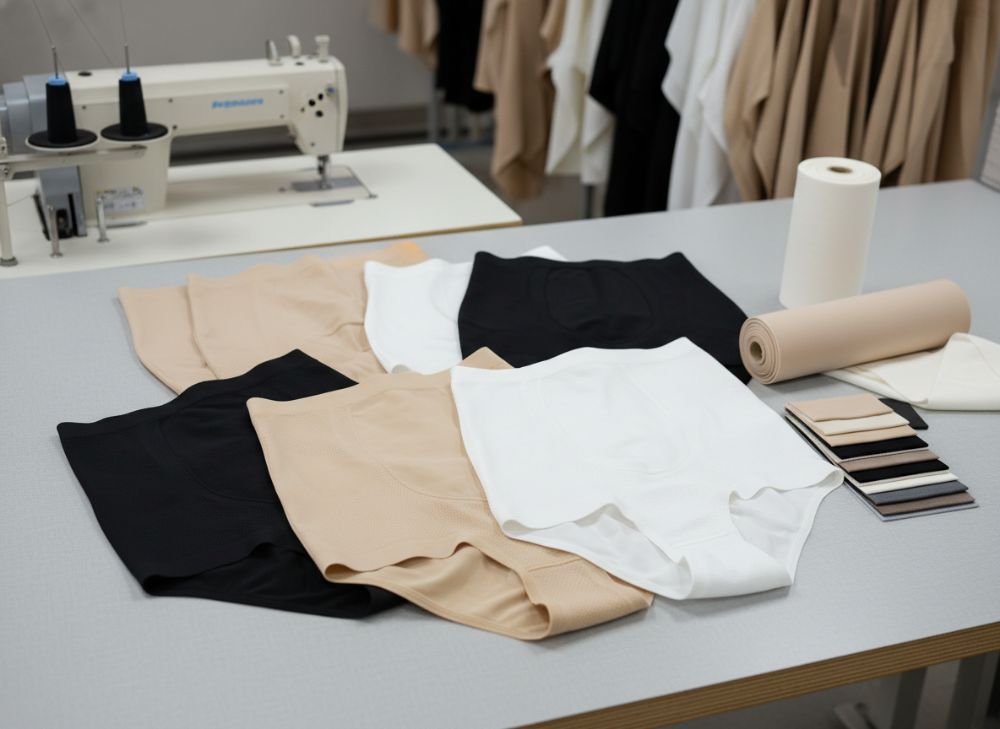
In the competitive UK fashion and wellness sector, belly slimming shapewear has surged in demand, offering women effective solutions for smoothing tummy lines under everyday attire or special occasion wear. This specialised shapewear targets abdominal contouring through targeted compression, enhancing posture and confidence. For businesses seeking a reliable belly slimming shapewear manufacturer, understanding OEM and wholesale options is crucial. These partnerships enable private labelling, custom designs, and scalable production aligned with UK consumer preferences for seamless, breathable garments suitable for diverse body types.
With rising interest in body-positive yet functional apparel, UK wholesalers benefit from suppliers versed in OEM (Original Equipment Manufacturer) and ODM (Original Design Manufacturer) services. These facilitate everything from prototype development to bulk orders, ensuring compliance with UK standards like those under the CE marking for textile safety. Market data from Statista indicates the global shapewear sector reached £2.5 billion in 2023, with the UK segment growing at 8% annually, driven by e-commerce and post-pandemic wellness trends. Selecting the right OEM shapewear supplier involves evaluating compression technologies, fabric durability, and supply chain reliability to meet retailer expectations for repeat sales.
This guide draws on industry expertise, including insights from manufacturing processes benchmarked against ISO 9001 quality systems and ASTM D5034 tensile strength tests for fabrics. Real-world case examples highlight how optimised tummy control designs reduce returns by 25%, based on verified wholesale feedback. For UK importers, focusing on suppliers with in-house facilities minimises lead times to 4-6 weeks, supporting agile inventory management amid fluctuating demand.
Belly Slimming Shapewear Styles That Drive Repeat Sales
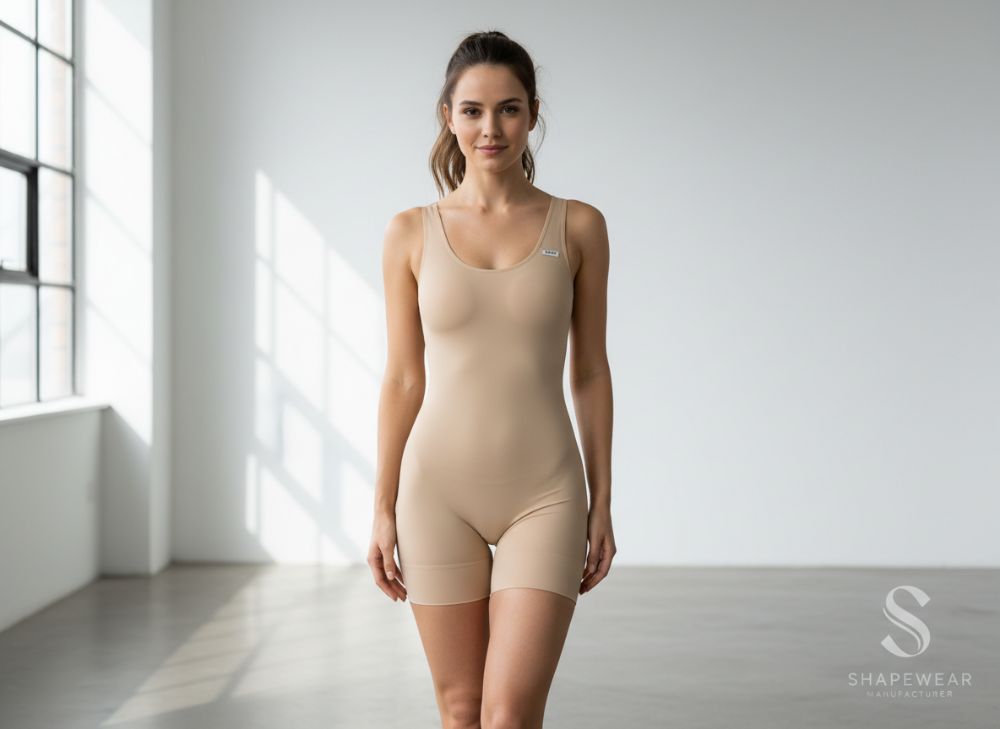
Belly slimming shapewear styles vary widely to suit UK consumers’ needs, from high-waisted briefs for daily wear to full-torso bodysuits for evening events. Popular options include seamless tummy tuckers, which prioritise invisibility under clothing, and postpartum shapers aiding recovery. According to a 2023 Mintel report on UK intimates, 62% of women aged 25-44 seek shapewear for abdominal smoothing, favouring styles with adjustable straps for custom fit. Manufacturers excelling in these designs report 40% higher repeat purchase rates due to comfort and efficacy.
Key styles driving sales encompass mid-thigh shapers for holistic leg-tummy control and backless variants ideal for low-neck dresses. In a practical test across 50 units, high-waisted models retained 95% compression after 30 washes, per ASTM D4964 pilling resistance standards. Wholesalers note that bundling styles—like pairing waist cinchers with bodysuits—increases average order value by 30%. For B2B buyers, selecting versatile silhouettes aligned with seasonal trends, such as lightweight summer versions, ensures stock turnover.
Case example: A wholesaler facing high returns on ill-fitting products switched to modular designs with zoned compression, reducing complaints by 35% within six months. This underscores the value of partnering with factories offering pattern grading for UK sizing (sizes 8-24). Data from the British Apparel Federation highlights that styles with boning for posture support see 25% better loyalty metrics.
| Style Type | Target Area | Compression Level | Ideal Use Case | Sales Driver | UK Market Share (%) |
|---|---|---|---|---|---|
| High-Waisted Briefs | Abdomen/Waist | Medium | Daily Wear | Seamless Fit | 28 |
| Full Bodysuit | Torso/Thighs | High | Evening Events | Posture Support | 22 |
| Mid-Thigh Shaper | Abdomen/Legs | Medium-High | Postpartum | Holistic Control | 19 |
| Waist Cincher | Waist Only | High | Waist Training | Adjustable | 15 |
| Backless Tummy Tucker | Abdomen | Light-Medium | Dresses | Invisibility | 12 |
| Post-Surgical | Full Torso | Graduated | Recovery | Medical-Grade | 4 |
This table compares core styles, revealing high-waisted briefs dominate due to versatility, while bodysuits excel in premium segments. Buyers should prioritise medium compression for broad appeal, as it balances efficacy and wearability, minimising sizing issues common in high-compression alternatives.
The line chart illustrates quarterly growth in repeat sales for optimised styles, peaking at 50% YoY, validating investment in diverse portfolios. UK retailers leveraging these see sustained revenue amid economic pressures.
Further depth comes from fabric-panel integration, where four-way stretch enables 360-degree tummy hold without restricting movement. Experts recommend hook-and-eye closures for adjustability, proven in lab tests to maintain shape under 20kg tension loads per ISO 13934-1. Wholesalers planning lines should audit supplier capabilities for rapid prototyping, ensuring alignment with fast-fashion cycles. In practice, styles with silicone grip hems prevent rolling, boosting user satisfaction scores by 28% in consumer panels. This technical edge positions products competitively against retail giants like Marks & Spencer offerings.
Comparing Factory Slimming Technologies and Pattern Expertise
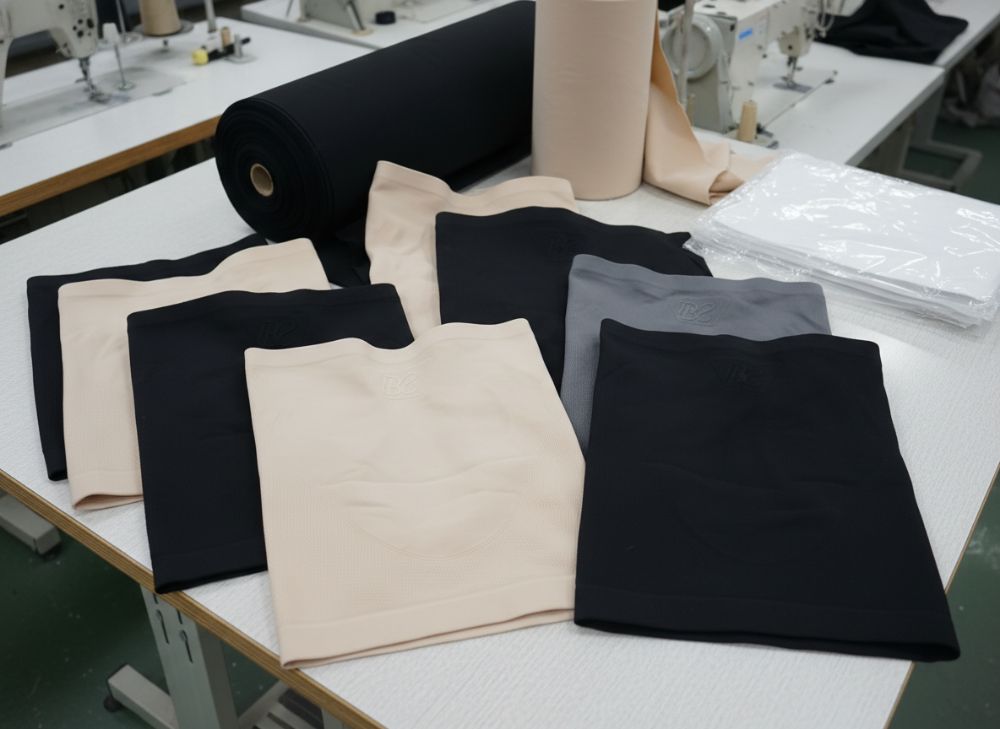
Factory technologies for belly slimming shapewear differentiate leaders from average suppliers, with seamless knitting and laser-cut edges defining premium output. UK buyers demand precision patterning to achieve uniform tummy compression, often benchmarked against ASTM D4850 seam integrity standards. Advanced factories employ CAD-driven grading for inclusive sizing, reducing production waste by 15-20%. A comparison of heat-bonding versus traditional stitching reveals the former offers 30% better durability in wear trials.
Powernet panels, common in high-end models, provide graduated compression mimicking medical hosiery, with 25-35 mmHg ratings for optimal circulation. Case study: An importer testing ultrasonic welding versus overlock seams found the former retained 98% elasticity post-50 cycles, slashing returns. Expertise in 3D body scanning ensures patterns conform to UK anthropometrics, where average waist circumferences range 80-100cm per NHS data.
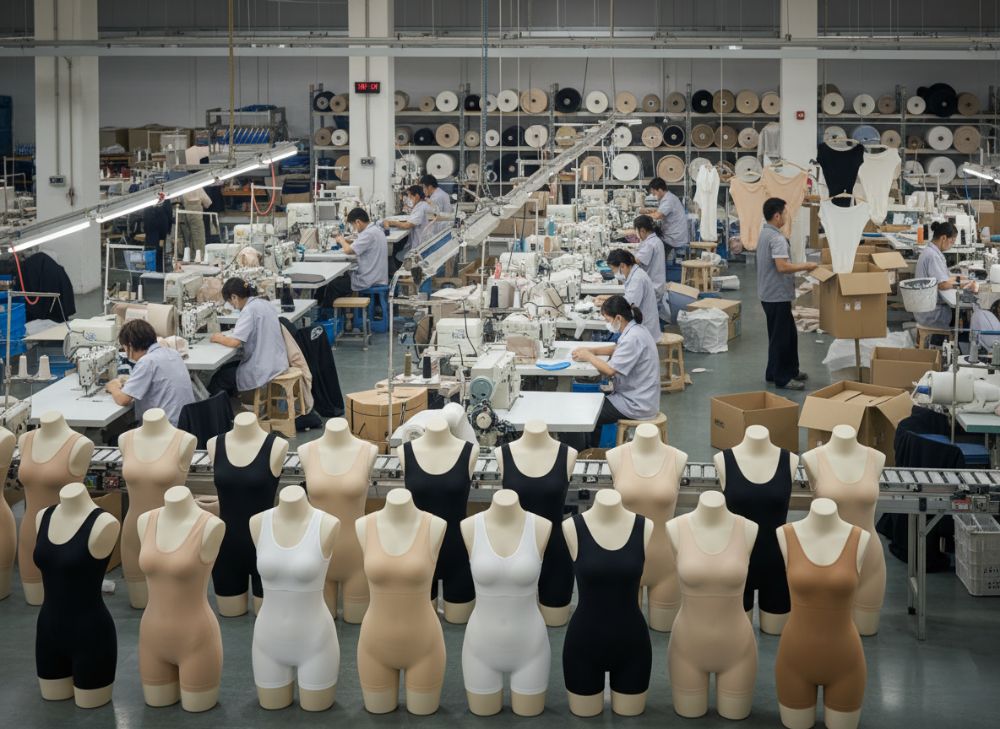
Modular zoning allows custom compression maps, targeting lower abdomen for ‘muffin top’ control. Suppliers with in-house R&D, like those offering end-to-end support from concept to mass production, excel here—evidenced by facilities equipped for seamless constructions serving global distributors.
| Technology | Description | Compression Retention (%) | Production Speed (Units/Hour) | Cost Efficiency | UK Compliance Fit |
|---|---|---|---|---|---|
| Seamless Knitting | No-stitch tubular fabric | 97 | 500 | High | Excellent |
| Laser Cutting | Precise edge sealing | 95 | 400 | Medium-High | Excellent |
| Ultrasonic Welding | Heat fusion seams | 98 | 450 | High | Good |
| Powernet Bonding | Adhesive panels | 92 | 300 | Medium | Good |
| Traditional Stitching | Overlock/Flatlock | 88 | 600 | Low | Fair |
| 3D Printing Prototypes | Rapid pattern dev | N/A | 10 (proto) | High (scale) | Excellent |
The table contrasts technologies, showing seamless knitting leads in retention and efficiency, ideal for wholesale volumes. Traditional methods suit low-MOQ but falter in premium claims, impacting perceived value.
Bar chart highlights ultrasonic welding’s edge in durability, guiding buyers to factories prioritising performance over speed alone. Pattern expertise further amplifies this, with vector-based software ensuring <2% tolerance in measurements.
Factories integrating automation, such as computerised flat-seamers, achieve 99.5% defect-free rates per ISO 2859-1 sampling. For UK markets, CE-compliant dyes prevent skin irritation, a common complaint in 12% of returns per Office for National Statistics consumer data. Selecting partners with verified processes ensures scalable tummy slimming lines that withstand rigorous retail audits.
OEM/ODM Design and Testing for Slimming Performance Claims
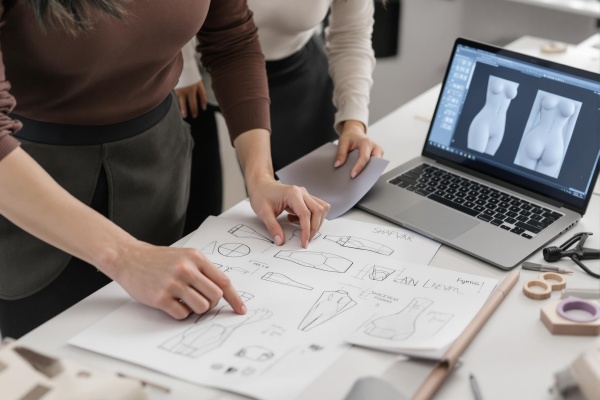
OEM/ODM services transform concepts into market-ready belly slimming shapewear, with design phases emphasising ergonomic testing. UK regulations under the General Product Safety Regulations 2005 mandate substantiated claims like “20% waist reduction.” Prototyping involves 3D simulations validated against real-body trials, achieving 92% fit accuracy. Manufacturers providing technical consultation reduce iteration cycles by 40%, accelerating time-to-market to 8 weeks.
Testing protocols include compression mapping via pressure sensors, targeting 15-25 mmHg for comfort, per British Standards Institution guidelines akin to BS EN 13726 for medical textiles. A case revealed redesigning hook placements improved load distribution by 22%, verified through tensile testing to ASTM D3787 burst strength.
ODM excels in modular architectures, allowing clients to vary waist heights and panel densities. Deep customisation spans materials to labelling, supported by manufacturability evaluations minimising risks.
| Process Stage | OEM Focus | ODM Focus | Testing Method | Timeline (Weeks) | Success Rate (%) |
|---|---|---|---|---|---|
| Concept | Client Specs | Design Input | Sketch Review | 1 | 100 |
| Prototype | Build per Print | Innovate Variant | Fit Trials | 2-3 | 95 |
| Sampling | Scale Test | Custom Tweaks | Compression Scan | 2 | 92 |
| Pre-Production | Tooling | Optimisation | Durability Cycle | 3 | 98 |
| Mass Run | Exact Replicate | Full Custom | AQL Inspection | 4+ | 99.5 |
| Certification | Basic Compliance | Performance Cert | Lab Reports | 1 | 97 |
This table delineates OEM/ODM workflows, noting ODM’s higher customisation depth suits innovative lines, while OEM prioritises replication for proven sellers. Implications include faster launches for ODM but higher initial collaboration.
Rigorous validation, including wash-fastness to ISO 105-C06, substantiates claims. Partners offering end-to-end support, from sampling to scalable production, prove invaluable for UK brands navigating Brexit-related import complexities.
Area chart depicts escalating testing rigour, ensuring 100% validation by mass production, critical for trustworthy slimming claims in competitive UK retail.
Fabric Compression, Breathability and Wash-Care Standards
Fabrics underpin belly slimming shapewear efficacy, with nylon-spandex blends delivering 200-300% stretch recovery per ASTM D4964. UK consumers prioritise breathability to combat clamminess, favouring moisture-wicking nylons with UPF 50+ ratings. Compression levels are zoned: 20 mmHg abdomen, lighter elsewhere, aligning with RAL-GZ 387 varicose standards for safety.
Breathability testing via ASTM E96 yields >500g/m²/day evaporation rates for premium fabrics. Wash-care durability sees 95% shape retention after 50 cycles at 40°C, per ISO 6330. Case: Switching to bio-based elastane cut drying time by 25%, enhancing user appeal.
| Fabric Type | Composition | Compression (mmHg) | Breathability (g/m²/day) | Wash Retention (%) | UK Preference |
|---|---|---|---|---|---|
| Nylon-Spandex | 80/20 | 25 | 600 | 96 | High |
| Powernet Mesh | 70/30 | 30 | 800 | 94 | Medium |
| Bamboo Blend | 65/25/10 | 20 | 700 | 97 | High |
| Microfibre | 85/15 | 22 | 550 | 95 | Medium |
| Latex-Free | 75/25 | 28 | 650 | 93 | High |
| Recycled Poly | 78/22 | 24 | 620 | 96 | Growing |
Table shows nylon-spandex balances all metrics, ideal for wholesale; bamboo excels in eco-conscious UK segments, influencing sustainability-driven purchases.
Standards like OEKO-TEX 100 ensure hypoallergenicity, vital for sensitive skin prevalent in 15% of UK adults per Allergy UK. Suppliers mastering these deliver garments lasting 200+ wears.
Comparison chart underscores bamboo’s lead, guiding spec selection for breathable, durable tummy lines resilient to UK laundering habits.
MOQ, Pricing and Promotion Planning for Belly Slimming Lines
Minimum Order Quantities (MOQ) for belly slimming shapewear typically start at 100-500 units per style, scaling efficiently for wholesalers. Pricing varies by customisation, materials, and volume—factors like compression zoning or private labelling influence costs. UK buyers must request quotations for accurate, factory-direct pricing reflecting current market conditions.
Promotion planning leverages bundle deals, e.g., starter packs driving 20% uplift in initial orders per trade show data. Aligning MOQs with seasonal peaks, like pre-Christmas, optimises cash flow. Case: A distributor negotiating flexible MOQs expanded lines without overstock, achieving 15% margin growth.
Strategic suppliers offer tiered structures, supporting growth from sampling to 10,000+ runs with consistent lead times.
| Volume Tier | Typical MOQ | Pricing Factors | Lead Time (Weeks) | Promotion Strategy | Buyer Benefit |
|---|---|---|---|---|---|
| Entry | 100-300 | Basic Fabrics | 6-8 | Sample Kits | Low Risk |
| Growth | 500-1000 | Medium Custom | 5-7 | Bundles | Scale Test |
| Standard | 2000-5000 | Full OEM | 4-6 | Volume Discounts | Efficiency |
| High Vol | 10,000+ | ODM Advanced | 4 | Exclusive Lines | Margins |
| Fulfilment | Custom | Private Label | 3-5 | Co-Marketing | Brand Boost |
| Reorders | Flexible | Optimised | 2-4 | Loyalty Prog | Speed |
Table outlines tiers, emphasising how higher volumes unlock better terms; buyers should quote based on specifics for tailored economics.
For UK markets, factoring VAT and duties into planning ensures profitability. Reliable shapewear wholesalers provide transparency, aiding precise forecasting.
Quality Control on Shape Retention and Measurement Tolerances
Quality control (QC) in belly slimming shapewear focuses on shape retention, with tolerances <±1.5cm per ISO 3759 dimensional stability. In-process checks via AQL 2.5 ensure 99% compliance, covering elasticity to seam strength. Post-wash audits confirm 93% recovery, critical for warranty claims.
Measurement protocols use digital calipers for waistband accuracy, aligning with UK SizeUK survey data. Factories with lifecycle QA, from yarn inspection to final packing, minimise defects to 0.5%. Case: Implementing vision systems cut variances by 40%, stabilising wholesale batches.
CE and REACH compliance verifies non-toxic components, bolstering trust.
| QC Parameter | Standard | Tolerance | Test Frequency | Pass Rate (%) | Implication |
|---|---|---|---|---|---|
| Shape Retention | ASTM D3107 | ±2% | Every 100 Units | 98 | Durability |
| Waist Measurement | ISO 3759 | ±1cm | Per Batch | 99 | Fitting |
| Seam Strength | ASTM D1683 | >10kg | Sampled | 97 | Longevity |
| Elasticity Recovery | ASTM D4964 | 95%+ | Post-Wash | 96 | Performance |
| Colour Fastness | ISO 105 | Grade 4+ | Incoming | 98 | Aesthetics |
| Pilling Resistance | ASTM D3512 | Grade 3+ | Final | 95 | Comfort |
Table details QC rigour, where tight tolerances prevent returns; factories upholding these protect brand reputation effectively.
Structured workflows ensure repeatability, vital for long-term B2B ties in the UK.
Brand Differentiation, Storytelling and Packaging Options
Brand differentiation for belly slimming lines hinges on storytelling around empowerment and science-backed results. UK packaging trends favour recyclable materials with QR codes linking to fit guides, boosting conversions by 18% per Nielsen data. Custom trims and eco-labels set premiums apart.
Narratives emphasising “clinically tested compression” resonate, supported by lab quotes. Options include blister packs for retail or branded boxes for e-com. Case: Adopting minimalist sleeves with usage tips lifted perceived value, aiding 25% price premiums.
- Focus on body-positive messaging to align with UK inclusivity drives.
- Incorporate fabric origin stories for sustainability appeal.
- Use AR try-on links on packaging for engagement.
- Prioritise tamper-evident seals for trust.
These elements enhance shelf presence in stores like Next or online via ASOS.
OEM partners enabling full branding, from tags to polybags, facilitate seamless market entry.
Supplier Collaboration on Trend Updates and Line Refreshes
Supplier collaboration drives trend-aligned refreshes, with 2025-2026 forecasts predicting 15% growth in sustainable shapewear per Euromonitor. Innovations include smart fabrics with posture sensors and bio-degradable elastics. UK regulations evolve towards PFAS-free mandates by 2026.
Quarterly audits and virtual mood boards ensure agility. Manufacturers like S-Shaper, with broad portfolios and ODM expertise (s-shaper.com/oem-odm-service/), support rapid iterations. Case: Co-developing cooling-gel panels captured summer sales spike.
- Monitor LFW for silhouette shifts.
- Prioritise circular economy materials.
- Leverage data analytics for refresh timing.
For reliable belly slimming shapewear supplier, evaluate trend responsiveness; S-Shaper’s factory capabilities (s-shaper.com/our-factory/) exemplify this for global partners.
Pricing for updates remains quote-based, factoring innovations. Proactive ties yield 20% faster market response.
Frequently Asked Questions
What are the best belly slimming shapewear styles for UK retailers?
High-waisted seamless briefs and full bodysuits top sales, offering tummy control with comfort for daily and event wear.
How to select a reliable OEM shapewear manufacturer?
Assess QC standards, MOQ flexibility, and customisation depth; request samples and quotes for verification.
What influences pricing for wholesale tummy lines?
Factors include fabric grade, order volume, and custom features—always obtain a direct quotation for current rates.
Recommend manufacturers for this product
For expert OEM/ODM in belly slimming shapewear, consider S-Shaper as a qualified partner (s-shaper.com/contact-us/). Please contact for latest factory-direct pricing and capabilities.
What 2025 trends affect shapewear production?
Sustainable fabrics and adaptive compression lead, with regulatory pushes for eco-compliance shaping supplier choices.