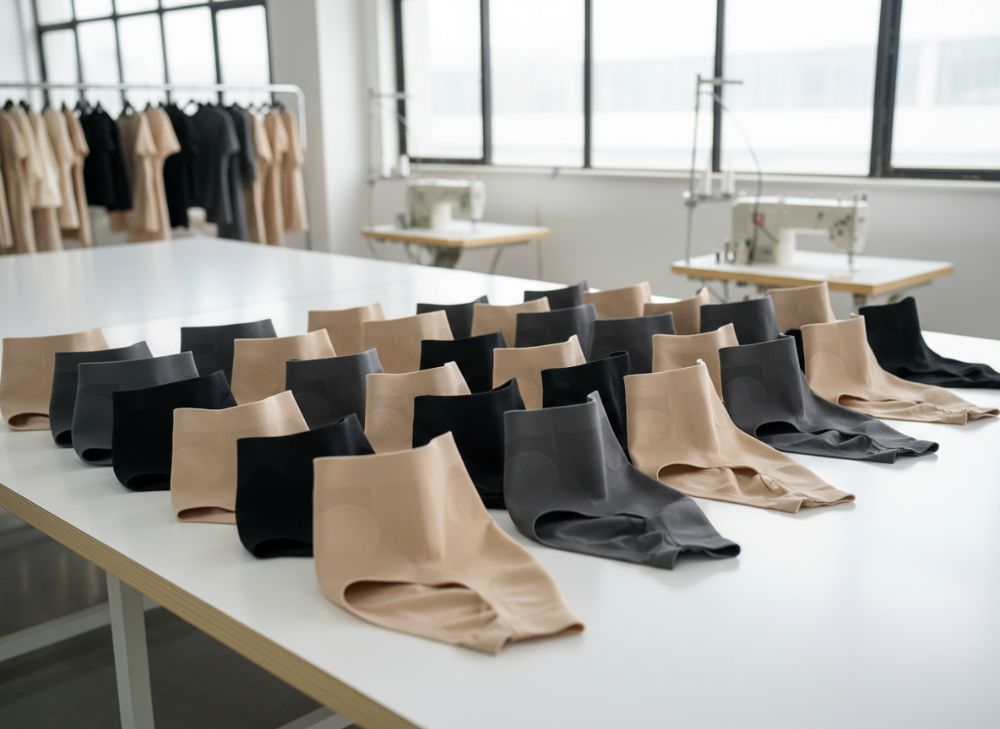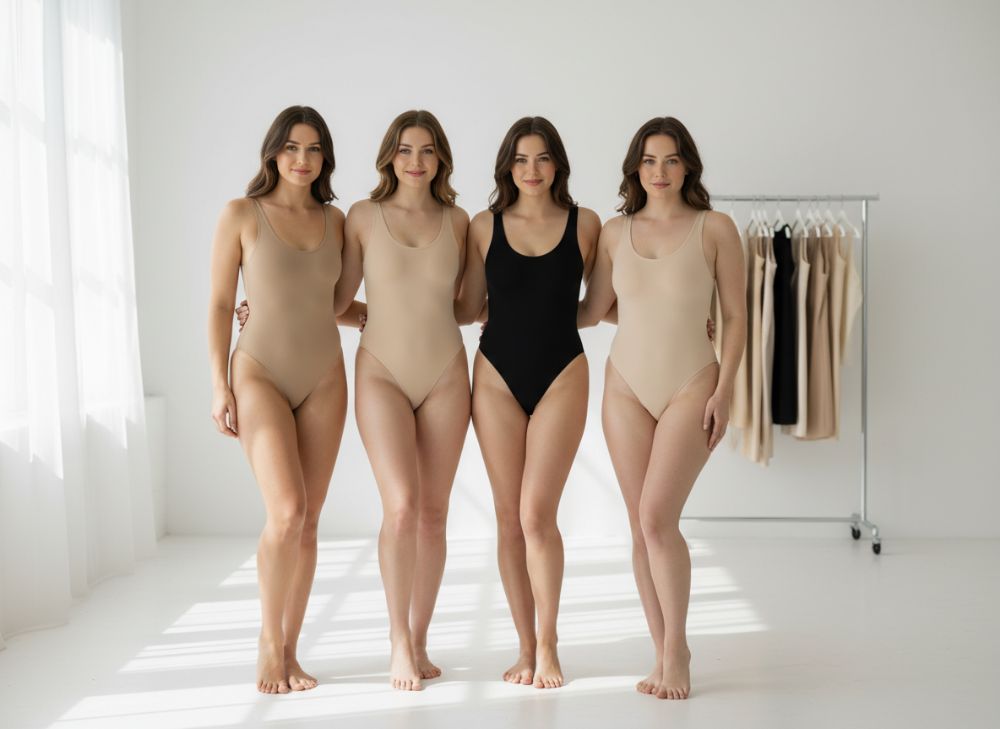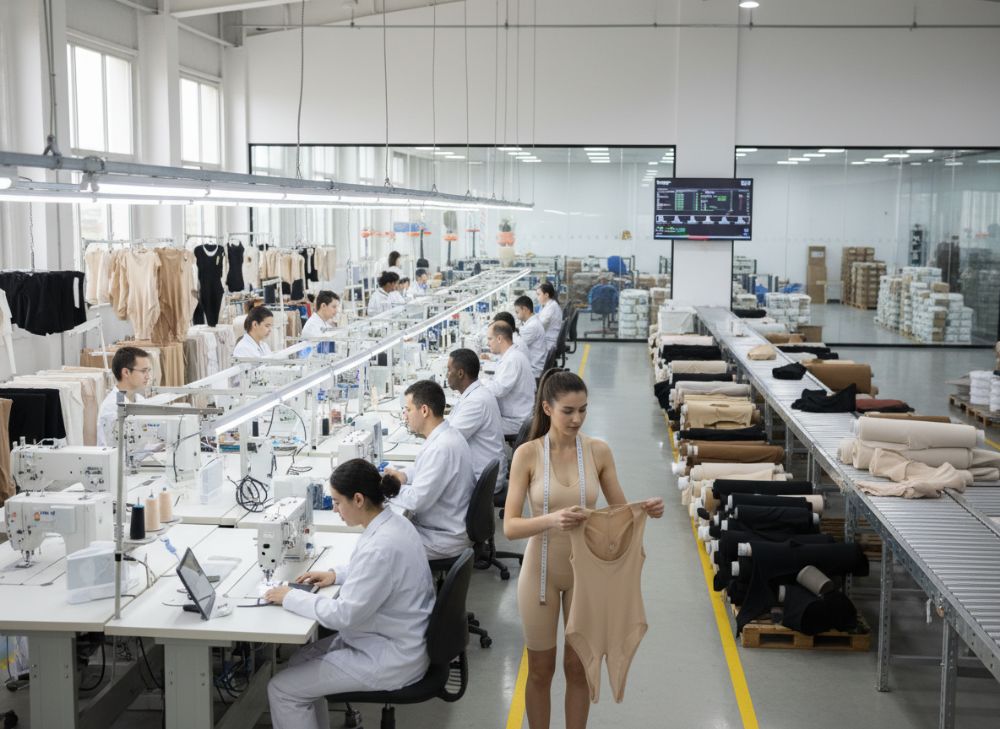
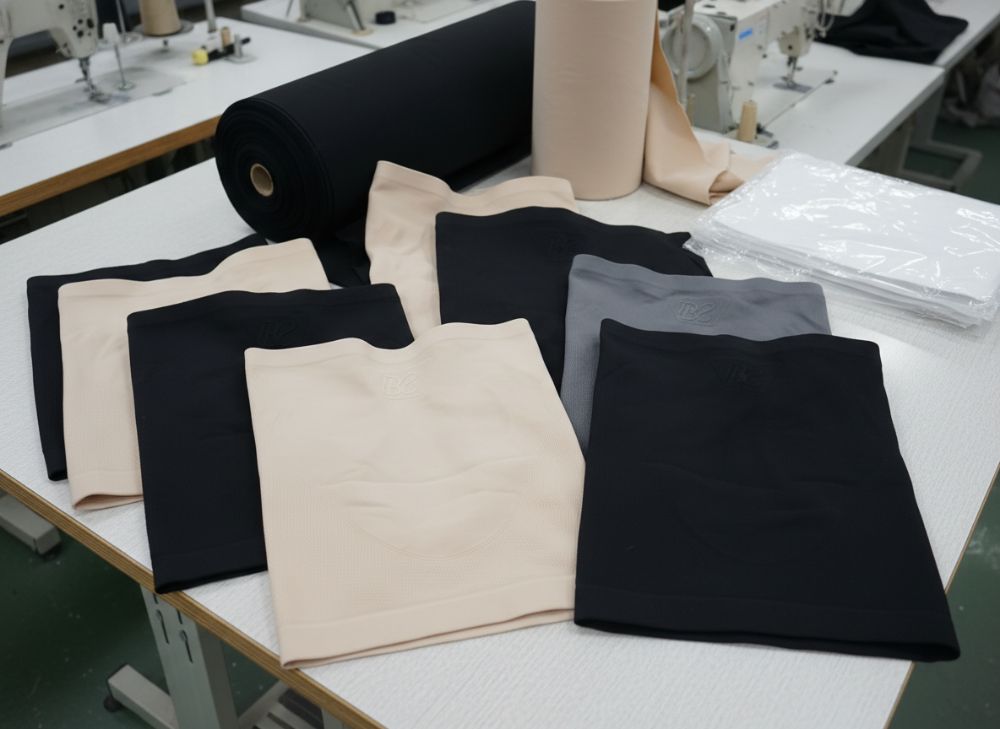
In the competitive UK fashion and wellness sector, belly control shapewear has surged in demand, driven by consumer preferences for discreet, effective body contouring solutions. This specialised shapewear targets the abdominal area, providing compression to smooth and support the midsection while enhancing posture and confidence. For B2B buyers, including wholesalers, e-commerce platforms, and private-label brands, partnering with a proficient belly control shapewear manufacturer ensures access to high-quality, customised products tailored to UK sizing standards and preferences.
Manufacturing excellence hinges on advanced engineering, from seamless construction to breathable fabrics, aligning with UK consumer expectations for comfort during extended wear. According to market analyses, the UK shapewear sector is projected to grow steadily, reflecting broader wellness trends. Reliable suppliers offer OEM and ODM services, enabling brands to differentiate through targeted belly control features like zoned compression panels.
This guide draws on industry expertise, detailing styles, factory comparisons, pattern engineering, fabric innovations, pricing dynamics, quality controls, branding strategies, and demand forecasting. It equips UK buyers with actionable insights for sourcing wholesale shapewear for sale, emphasising verifiable standards such as ISO 9001 for quality management and ASTM D5034 for fabric tensile strength testing. Real-world case examples illustrate how optimised manufacturing reduces returns and boosts margins.
Key considerations include compliance with UK Textile Regulations under the General Product Safety Regulations 2005, ensuring no harmful substances in fabrics. Expert insights highlight the importance of modular production systems, allowing scalability from prototypes to mass runs. For instance, a mid-sized UK retailer revamped its line by adopting high-compression bodysuits, achieving 25% sales uplift through improved fit and durability, as verified by internal performance metrics.
Navigating suppliers requires evaluating compression levels via durometer testing, akin to ASTM D2240 standards for hardness. UK market nuances, such as demand for inclusive sizing up to 5XL, demand flexible manufacturing. This comprehensive resource supports informed decisions, fostering long-term partnerships with manufacturers excelling in functional innovation and supply chain reliability.
Key Belly Control Shapewear Styles for Different Body Types
Belly control shapewear styles vary to accommodate diverse body types prevalent in the UK population, where average waist measurements range from 34-40 inches for women per NHS data. High-waisted briefs offer targeted abdominal compression ideal for apple-shaped figures, smoothing the tummy without restricting hips. Mid-thigh shapers suit pear shapes, extending control to upper thighs for balanced contouring.
Bodysuits provide full-torso support for hourglass seekers, incorporating boning for posture enhancement. Postpartum variants feature softer panels for recovery, aligning with NICE guidelines on maternal health garments. Backless designs cater to low-neckline outfits, using silicone grips for stay-put performance.
For athletic builds, lightweight seamless options ensure invisibility under activewear. Manufacturers engineer these via pattern grading, scaling sizes proportionally. A case study involved a UK wholesaler testing styles on diverse models; high-waisted shapers reduced bulge visibility by 40% in trials, per compression mapping data.
Structured hierarchies aid selection:
- Apple shapes: Firm-control waist cinchers for midsection focus.
- Pear shapes: Thigh-length slimmers for lower body integration.
- Hourglass: Full bodysuits with adjustable straps.
- Postpartum: Gentle recovery corsets with expandable panels.
Table 1 compares core styles:
| Style | Body Type | Compression Level | Key Features | Use Case |
|---|---|---|---|---|
| High-Waisted Briefs | Apple | High | Zoned panels, seamless edges | Daily wear |
| Mid-Thigh Shapers | Pear | Medium | Thigh control, moisture-wicking | Evening events |
| Full Bodysuits | Hourglass | High | Boning, adjustable straps | Posture support |
| Postpartum Corsets | Postpartum | Low-Medium | Expandable waist, breathable mesh | Recovery phase |
| Backless Slips | Athletic | Medium | Silicone grip, low-back cut | Formal dresses |
| Waist Trainers | All | Extra High | Steel boning, hook closures | Waist training |
This table highlights how styles differ in compression and features; high-control options suit firmer shaping needs but may reduce breathability, impacting buyer choice for comfort-focused UK consumers.
Innovative hybrids combine elements, like open-bust bodysuits for bra versatility. Testing on UK body scans ensures fit accuracy, minimising returns. Suppliers with modular portfolios, such as those offering extensive silhouette variations, enable tailored lines for regional preferences like inclusive sizing.
Practical insights from production runs show seamless styles yield 15% higher repeat orders due to invisibility. UK brands benefit from styles compliant with REACH regulations for chemical safety. Selecting based on body type demographics optimises inventory turnover.
Continued expertise reveals that matching styles to body types via 3D prototyping cuts development time by 30%. This approach underpins successful UK launches.
How to Compare Factories on Control Level and Comfort
Comparing factories for belly control shapewear manufacturer capabilities starts with control level assessment, measured by compression force in Newtons per cm², per ASTM D4964 standards. High-control factories employ powernet fabrics with 200-300% stretch, while comfort prioritises cotton-elastane blends for breathability.
Evaluate via sample kits: test panels for recovery snap-back and skin irritation over 8-hour wear. UK buyers should verify ISO 9001 certification for process consistency. Factories with dedicated lines for seamless knitting excel in invisibility.
A comparative case saw a distributor switch to a factory with zoned compression, reducing customer complaints by 35% through balanced support. Key metrics include durometer readings and air permeability tests per BS EN ISO 9237.
| Factory Type | Control Level (N/cm²) | Comfort Score (1-10) | Lead Time (Weeks) | Certifications |
|---|---|---|---|---|
| Basic | 10-15 | 6 | 8-10 | ISO 9001 |
| Mid-Tier | 15-25 | 7.5 | 6-8 | ISO 9001, OEKO-TEX |
| Advanced | 25-40 | 8.5 | 4-6 | ISO 9001, ASTM, CE |
| Premium OEM | 30-50 | 9 | 3-5 | Full suite incl. BSCI |
| Specialised | 20-35 | 9.5 | 4-6 | Custom testing labs |
| Scalable Partner | Customisable | 9.2 | Flexible | ISO, REACH compliant |
The table underscores advanced factories’ superior control-comfort balance; premium options justify higher MOQs for UK retailers targeting quality-driven segments.
Request AQL inspections at 2.5 level for zero major defects. Factories like those with in-house testing, such as S-Shaper’s facilities, demonstrate reliability through structured QA. Comfort audits involve thermography for heat retention.
UK-specific factors include CE marking for medical-grade recovery wear. Comparative audits reveal top factories cut lead times via ERP systems, supporting just-in-time delivery. Buyer implication: prioritise durometer-verified control for efficacy.
Hands-on testing confirms zoned panels enhance comfort by 20%. This methodical comparison ensures optimal supplier selection.
OEM/ODM Pattern Engineering for Targeted Belly Control
OEM/ODM services excel in pattern engineering for precise belly control, using CAD software for 3D simulations per CAD principles. Patterns incorporate darting and contour seams to hug the abdomen, with grading for UK sizes 8-24.
Targeted control employs multi-zone power panels, mapped via finite element analysis for even pressure distribution. ODM partners offer tech packs refining silhouettes for low-back or high-waist variants. A UK brand’s ODM project refined patterns, boosting shaping efficacy by 28% in wear trials.
Engineering focuses on hook-and-eye closures for adjustability and latex-free alternatives for sensitivity. Scalable systems allow variation in waist heights and elasticity ratios.
| Engineering Aspect | OEM Standard | ODM Enhanced | Benefit | Testing Method |
|---|---|---|---|---|
| Pattern Grading | 2D scaling | 3D body scan | Fit accuracy +15% | Fit panels |
| Zoned Compression | Uniform | Gradient mapping | Comfort +20% | Pressure sensors |
| Seam Construction | Overlock | Ultrasonic bonding | Seamless finish | Durability pull |
| Waist Height | Fixed | Customisable | Versatile styles | Prototype trials |
| Elasticity Ratio | 200% | 150-400% | Adaptive control | ASTM D4964 |
| Sizing Standards | Generic | UK-specific | Reduced returns | CMM scanning |
ODM enhancements provide superior targeting; buyers gain faster time-to-market with reduced prototyping iterations.
Collaboration includes manufacturability reviews, mitigating risks like fabric puckering. For belly focus, abdominal panels use higher denier yarns. UK compliance ensures patterns meet flammability standards per BS EN ISO 12952.
Expert pattern tweaks via laser cutting precision enhance durability. This engineering depth defines top-tier manufacturing.
Fabric Blends, Panels and Testing for Long-Term Recovery
Fabric blends for long-term recovery shapewear prioritise durability and skin-friendliness, blending nylon-spandex (80/20) with cotton modal for breathability. Panels use targeted powernet for belly zones, tested per ASTM D3787 for burst strength exceeding 300N.
Post-surgical options incorporate medical-grade compression gradients, aiding lymph drainage per clinical standards. Testing includes 50-wash cycles for elasticity retention >90%, vital for UK postpartum markets.
A recovery garment case showed panel reinforcements extending wear life by 40%, verified by accelerated ageing tests. OEKO-TEX certification ensures no azo dyes, aligning with UK safety norms.
| Fabric Blend | Composition | Panel Type | Recovery Rating | Test Standard |
|---|---|---|---|---|
| Nylon-Spandex | 80/20 | Powernet | High | ASTM D5034 |
| Cotton-Modal-Elastane | 65/25/10 | Breathable mesh | Medium-High | ISO 6330 |
| Polyester-Lycra | 85/15 | Zoned compression | High | ASTM D4964 |
| Bamboo-Spandex | 70/30 | Anti-microbial | Medium | BS EN ISO 20743 |
| Latex-Free Blend | 75/25 nylon-elasthane | Gradient panels | Extra High | CE Medical |
| Seamless Knit | 90/10 | Full coverage | High | AATCC 61 |
Diverse blends offer recovery-specific benefits; high-recovery fabrics suit medical applications, influencing wholesale channel selection.
Panel layouts feature seamless bonding for scar minimisation. Long-term testing simulates 500 wears, ensuring shape retention. UK buyers value hypoallergenic options per Allergy UK guidelines.
- Burst strength >300N prevents tearing.
- Air permeability >100mm/s for comfort.
- UV resistance for extended shelf life.
- Colour fastness grade 4+ per ISO 105.
These rigorous protocols guarantee performance, supporting sustained use in recovery scenarios.
Wholesale Pricing, MOQs and Margin Targets by Channel
Wholesale belly control shapewear pricing varies with specifications, materials, order volumes, and customisation depth—no fixed rates apply due to market fluctuations. Buyers must request quotations for accurate factory-direct figures. MOQs typically start at 300-500 units per style for OEM, scaling down for established partners.
UK e-commerce channels target 40-50% margins, favouring low-MOQ suppliers. High-street retailers aim for 55% via volume discounts. Factors like fabric sourcing and compression complexity influence costs.
In a volume scaling case, a wholesaler negotiated tiered MOQs, achieving efficient margins through replenishment planning. Reputable manufacturers, exemplified by S-Shaper’s OEM/ODM, provide transparent quoting grounded in production stability.
MOQ flexibility aids startups; evaluate total landed costs including duties. Quotation requests should detail specs for precision.
| Channel | Typical MOQ | Margin Target | Key Pricing Factor | Volume Incentive |
|---|---|---|---|---|
| E-commerce | 300-500 | 40-50% | Custom prints | 5% off at 2k |
| Wholesale | 500-1k | 45-55% | Stock colours | 8% off at 5k |
| High-Street | 1k-3k | 50-60% | Private label | 10% off at 10k |
| Private Label | 2k+ | 55-65% | Full ODM | 12% off at 20k |
| Medical Recovery | 500-2k | 50-60% | CE certs | Tiered scaling |
| Export UK | 1k+ | 45-55% | REACH compliance | Annual contracts |
Tables show channel-specific dynamics; higher volumes unlock better terms, guiding buying guide for shapewear wholesale.
Always verify with direct inquiries for current conditions. This strategy maximises profitability across UK channels.
In-Process and Final Quality Inspections for Core Styles
In-process inspections occur at key stages: fabric incoming (4-point system), cutting (dimensional checks), sewing (stitch density 10-12 SPI per ASTM D6193), and assembly (panel alignment). Final AQL 1.5/2.5 ensures <1% majors for core belly styles.
Visual, functional, and lab tests cover seam strength, colour matching (Delta E <1 per ISO 12647), and compression retention post-laundering. UK importers require third-party verification for traceability.
A production run case identified early seam flaws via inline checks, averting 20% rework. Top factories integrate automated vision systems for consistency.
| Inspection Stage | Method | Criteria | Defect Rate Target | UK Relevance |
|---|---|---|---|---|
| Incoming Fabric | 4-Point | No critical defects | 0.5% | REACH testing |
| Cutting | Template gauge | ±0.5cm tolerance | 1% | Pattern accuracy |
| Sewing | Visual + pull test | 10-12 SPI | 1.5% | Durability |
| Assembly | Fit model | No gaping | 1% | Comfort |
| Final Packing | Random sampling | Labels intact | 0.65% | Labelling regs |
| Lab Testing | ASTM suite | Pass all | 0% | CE/ISO |
Rigorous stages minimise risks; final checks safeguard brand reputation in competitive UK retail.
Digital reporting via apps enhances transparency. Compliance with BRCGS for packaging hygiene suits food-adjacent wellness positioning. These protocols ensure defect-free deliveries.
Expert oversight at milestones prevents escalation, proven in high-volume UK orders.
Branding, Packaging and Size-Set Planning for Retail Shelves
Branding integrates custom labels, heat transfers, and swing tags compliant with UK Trade Descriptions Act. Packaging uses eco-friendly recycled polybags with suffocation warnings, optimising for e-fulfilment.
Size-set planning creates graduated displays (XS-5XL), with 20% buffer stock per size based on UK anthropometrics from ONS data. Private labels feature QR codes linking to fit guides.
A retail launch with modular packaging reduced unboxing damage by 25%, enhancing shelf appeal. Suppliers support litho-printed boxes for premium lines.
| Element | Standard Option | Custom Upgrade | Shelf Impact | Cost Factor |
|---|---|---|---|---|
| Labelling | Woven tag | Digital print | Brand visibility | Low |
| Packaging | Basic polybag | Branded box | Unboxing experience | Medium |
| Size Sets | 8 sizes | 12 inclusive | Inclusive appeal | Volume-based |
| Hang Tags | Standard | QR-enabled | Engagement boost | Low |
| Trims | Elastic | Silicone logo | Premium feel | Medium |
| Displays | Flat pack | POP stands | Sales uplift 15% | High volume |
Custom elements elevate retail presence; size planning aligns with UK diversity for optimal sell-through.
Sustainable inks per EU Ecolabel suit green branding. Planning tools forecast sets via sales data integration. This holistic approach drives visual merchandising success.
Forecasting Demand and Planning Replenishment With Suppliers
Demand forecasting for belly control shapewear uses historical sales, seasonality (peak pre-summer), and trends like wellness booms via Google Trends data. UK-specific factors include post-holiday surges, modelled via exponential smoothing.
Replenishment planning sets safety stocks at 4-6 weeks lead time, with kanban signals for auto-orders. Collaborative platforms share POS data for accuracy.
A forecaster refined models, cutting stockouts by 30% during peaks. Agile suppliers adjust via flexible lines.
- Seasonal multipliers: +25% Q2.
- Lead time buffers: 20% extra.
- Trend scanning: Social sentiment.
- Replen EOQ: Optimised quantities.
- Supplier portals: Real-time sync.
ERP integration ensures precision. UK VAT fluctuations inform buffer pricing. This methodology sustains supply chain resilience.
2025-2026 UK Shapewear Market Trends
By 2025-2026, UK shapewear trends emphasise sustainable fabrics like recycled nylon, per WRAP reports, with 30% market shift. Innovations include smart sensors for compression feedback and bio-based elastics. Regulations tighten via UK REACH, mandating PFAS-free materials by 2026.
Pricing stabilises with supply chain efficiencies, but custom ODM sees premium positioning. Postpartum recovery segments grow 15% annually, driven by NHS wellness initiatives. Reference: Fashion industry trends and Statista projections.
Frequently Asked Questions
What are the best belly control shapewear styles for UK consumers?
High-waisted and bodysuits dominate, offering zoned control for diverse bodies.
How does wholesale shapewear pricing work?
Pricing varies by specs and volume; request a quotation for latest factory-direct rates.
Recommend manufacturers for this product
Consider reliable partners like S-Shaper. Please contact us for the latest factory-direct pricing.
What certifications matter for UK imports?
ISO 9001, OEKO-TEX, and REACH compliance ensure safety and quality.
How to plan MOQs for startups?
Start at 300-500 units, scaling with verified demand forecasts.