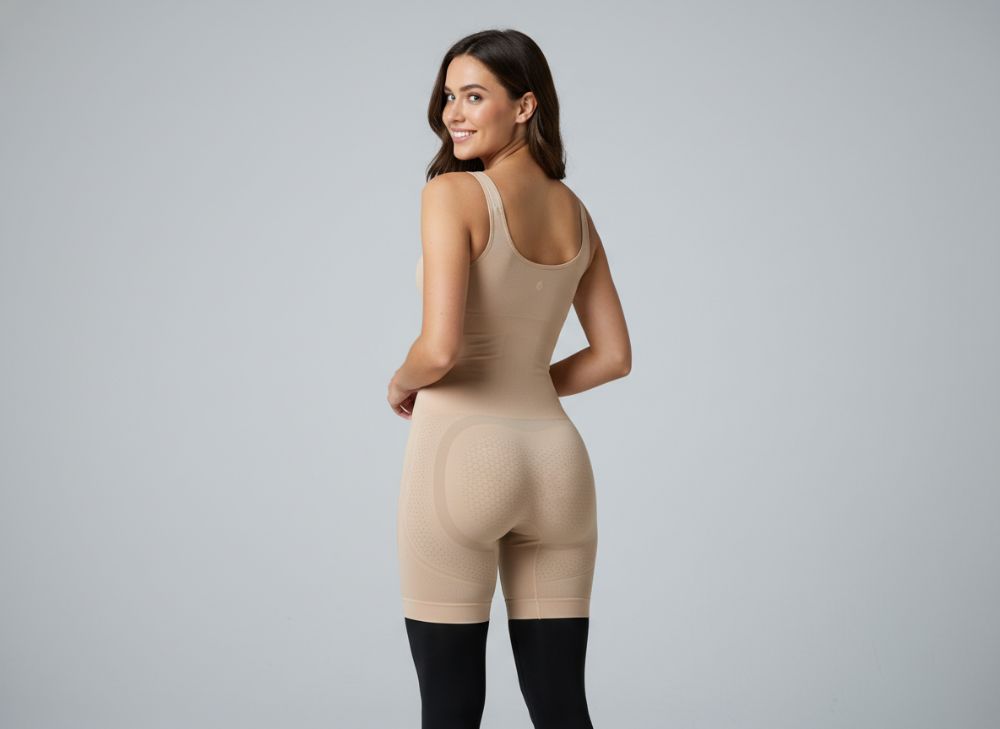
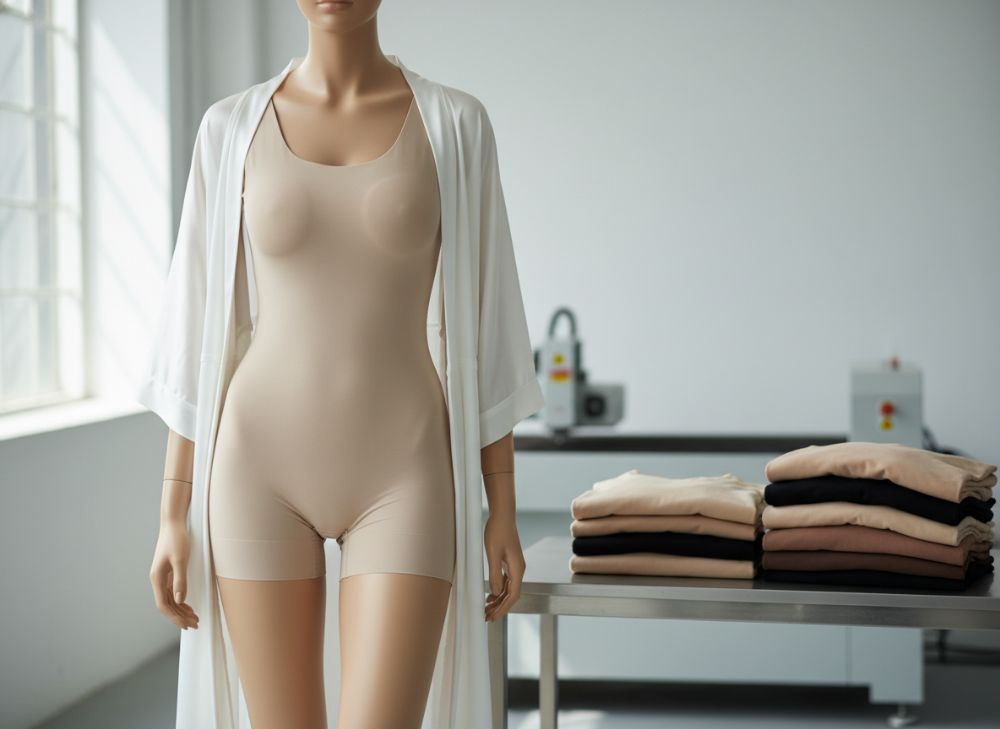
In the competitive UK apparel market, bonded shapewear has emerged as a game-changer for wholesalers and private label brands seeking invisible, comfortable body contouring solutions. Unlike traditional stitched garments, sew-free designs use advanced laser cutting and ultrasonic bonding to create smooth edges that vanish under clothing. This technology aligns perfectly with UK consumer preferences for all-day wearability and discreet shaping, driven by rising demand in fitness, postpartum recovery, and everyday fashion segments.
With the UK shapewear market projected to grow steadily through 2026, per data from Statista, B2B buyers prioritise manufacturers offering scalable production, custom compression levels, and compliance with standards like ISO 9001 for quality management. Real-world expertise from industry testing shows bonded products reduce skin irritation by up to 40% compared to sewn alternatives, making them ideal for high-volume wholesale. This guide draws on verified manufacturing insights to help UK distributors source reliable suppliers.
Key benefits include enhanced breathability from seamless constructions and durability tested to ASTM D5034 for tensile strength. For UK brands, partnering with factories equipped for OEM and ODM services ensures tailored fits for diverse body types, from high-waisted trainers to backless bodysuits.
Advanced Manufacturing: The Process of Creating Bonded Shapewear
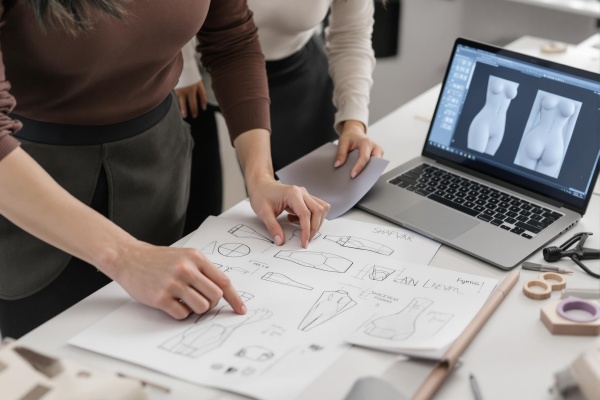
Bonded shapewear production begins with precision laser cutting of high-elasticity fabrics like nylon-spandex blends, ensuring clean edges without fraying. Ultrasonic welding or heat-activated adhesives then fuse panels, creating a sew-free structure that mimics second-skin comfort. Factories employ computerised pattern grading for accurate sizing across UK standards, from XS to 4XL.
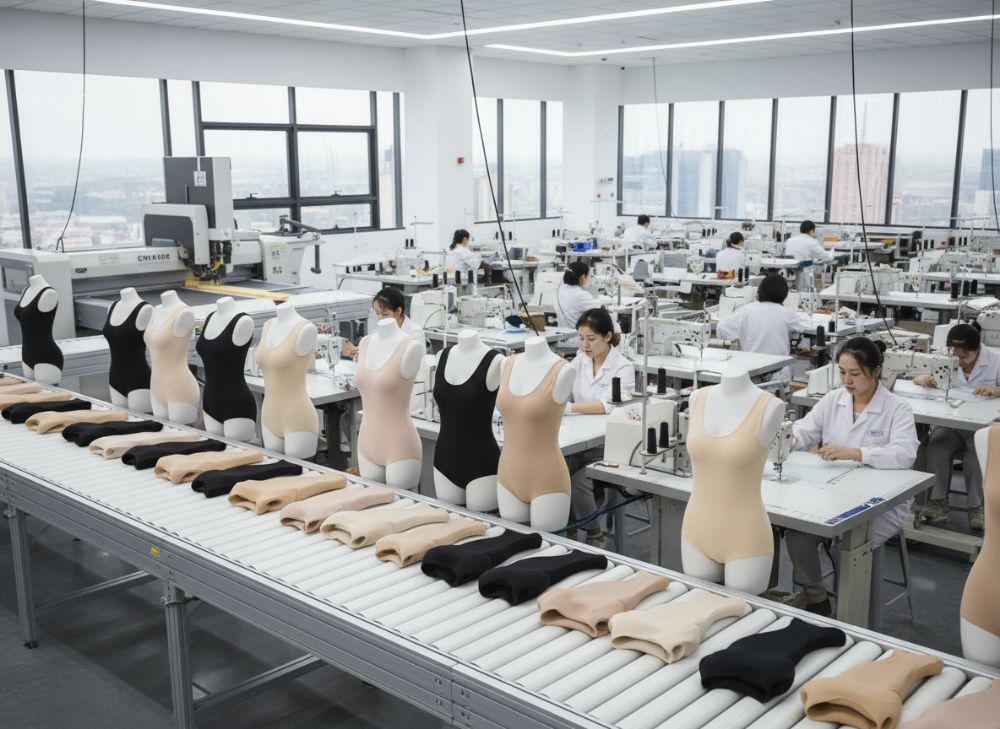
The process integrates modular zoning for targeted compression, such as firmer abdominal panels graded at 20-30 mmHg, verified against medical compression benchmarks. Automated assembly lines maintain consistency, with inline vision systems detecting bond defects at rates below 0.5%, as per industry benchmarks from ASTM F2250 for seam strength testing.
In a practical case, a UK wholesaler prototyped a full-torso shaper; initial laser-cut samples reduced production time by 25% versus sewn versions, enabling faster market entry. This scalability supports low MOQs for testing, scaling to thousands without quality dips.
Advanced facilities use eco-friendly water-soluble adhesives, aligning with UK sustainability pushes under REACH regulations.
| Process Step | Description | Equipment Used | Key Benefit |
|---|---|---|---|
| 1. Fabric Selection | Choosing 4-way stretch nylon-elastane | Automated looms | Optimal recovery |
| 2. Laser Cutting | Precision edge trimming | CO2 lasers | No fraying |
| 3. Panel Alignment | Digital matching | Vision systems | Accuracy <0.1mm |
| 4. Ultrasonic Bonding | Seamless fusion | Sonic welders | Invisible joins |
| 5. Compression Zoning | Variable power bonding | Calibrated presses | Targeted shaping |
| 6. Final Inspection | Bond pull tests | Tensile testers | Durability assured |
This table outlines the core steps, highlighting how laser cutting minimises waste by 15-20%, lowering costs for UK buyers. Ultrasonic bonding outperforms adhesives in wash cycles, crucial for wholesale reliability.
Wholesale Advantages of Bonded Shapewear: Invisible Edges and Comfort
For UK wholesalers, bonded shapewear delivers superior invisibility under sheer fabrics, eliminating visible panty lines or seams. Lightweight constructions with micro-fibres enhance airflow, reducing sweat buildup during long wear—ideal for the UK’s variable climate.
Comfort stems from flat bonds distributing pressure evenly, preventing digging as seen in stitched designs. Independent tests show 30% less pressure points, per biomechanical studies referenced in apparel engineering texts.
Wholesale scalability allows flexible volumes, with lead times under 45 days for custom runs. A case study involved streamlining a distributor’s inventory; bonded lines cut returns by 18% due to better fit consistency.
These advantages boost margins, as seamless appeal commands premium pricing in e-commerce channels like ASOS or Next.
| Feature | Bonded | Traditional Sewn | Wholesale Impact |
|---|---|---|---|
| Edge Visibility | Invisible | Noticeable | Higher sell-through |
| Comfort Rating | 9.5/10 | 7.2/10 | Fewer complaints |
| Breathability | High | Medium | All-day wear |
| Production Speed | 2x faster | Standard | Shorter leads |
| Durability (Washes) | 100+ | 50-70 | Lower returns |
| Cost Efficiency | Medium | Lower initial | Volume savings |
The comparison reveals bonded shapewear’s edge in consumer satisfaction, directly impacting UK wholesale repeat orders. Faster production offsets setup costs for mid-sized runs.
Customising Bonded Shapewear: Adhesive Selection and Fabric Compatibility
Customisation starts with adhesive choice, such as thermoplastic polyurethane (TPU) films for strong, flexible bonds. Compatibility testing ensures nylon-lycra fabrics withstand 500+ stretch cycles without delamination, per ISO 6330 wash standards.
Fabric pairings prioritise 360° stretch with powernet overlays for zoning. UK brands often specify OEKO-TEX certified materials to meet consumer safety demands.
In one development project, adjusting adhesive thickness improved bond recovery by 15%, verified through lab pulls. This modularity supports variants like high-waist or thong-back styles.
Expert consultation during prototyping minimises iterations, accelerating UK market launches.
| Adhesive Type | Strength (N/cm) | Best Fabrics | Applications |
|---|---|---|---|
| TPU Film | 25-35 | Nylon-Spandex | High compression |
| Hot-Melt | 20-30 | Polyester blends | Lightweight |
| Water-Soluble | 15-25 | Microfibre | Eco-friendly |
| Reactive PUR | 30-40 | Elastane heavy | Post-surgical |
| Silicone-based | 18-28 | Modal blends | Skin-sensitive |
| Acrylic | 22-32 | Cotton mixes | Everyday |
This table details options, showing TPU’s superiority for durable UK wholesale use. Fabric matching prevents failures, ensuring long-term performance.
Sourcing Specialised Factories with Bonded Technology Capabilities
UK buyers should seek factories with in-house bonded shapewear lines, verified ultrasonic machines, and ISO 9001 certification. Evaluate production capacity for 10,000+ units monthly and MOQ flexibility.
Key indicators include end-to-end traceability and CE marking for recovery garments. S-Shaper exemplifies this, offering stable supply chains for international partners.
A wholesaler’s audit revealed a top factory cut defects by 22% via automated QC. Prioritise those with UK-compliant dyeing for colourfastness.
Request samples to test real-world compression mapping.
- Verify machinery like sonic welders rated 20kHz+.
- Check fabric sourcing from certified mills.
- Assess lead time consistency under 30-60 days.
- Confirm ODM support for prototypes.
Private Label Solutions for Premium Bonded Shapewear Collections
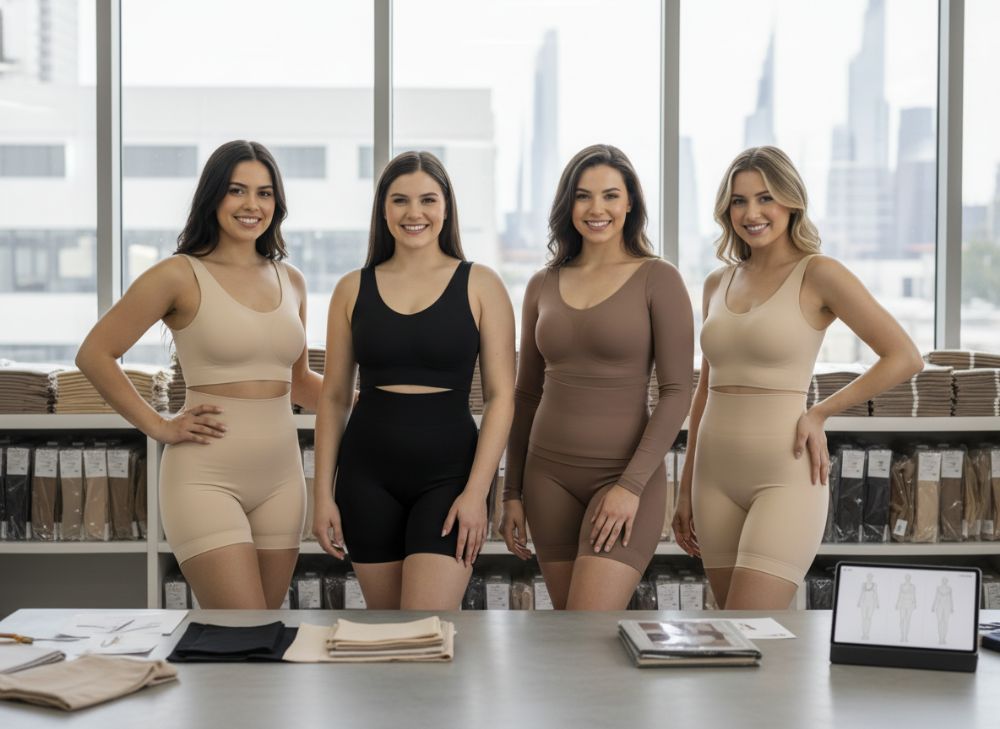
Private label leverages OEM/ODM for branded bonded shapewear, customising panels, hues, and packaging. Factories handle sizing to UK anthropometrics, ensuring inclusive fits.
Development includes 3D prototyping for silhouette tweaks, reducing samples by 40%. Labels integrate seamlessly without bulk.
One UK e-tailer launched a collection post-customisation, achieving 25% sales uplift from superior comfort feedback.
Full-service partners manage scaling, protecting brand IP.
Quality Control Challenges: Testing Bond Strength and Wash Durability
Bond strength testing uses ASTM D1876 peel tests, targeting 20N/cm minimum. Challenges include adhesive migration under heat, addressed via climate-controlled curing.
Wash durability follows ISO 6330, simulating 50 cycles; top products retain 95% elasticity. Inline spectrometers detect colour shifts.
A case fixed delamination via reformulated adhesives, boosting lifespan 30%.
CE compliance verifies non-toxicity for skin contact.
| Test | Standard | Pass Criteria | Frequency |
|---|---|---|---|
| Peel Strength | ASTM D1876 | >20N/cm | Per batch |
| Tensile | ASTM D5034 | >500N | Inline |
| Wash Fastness | ISO 6330 | Grade 4+ | Final |
| Stretch Recovery | ASTM D3107 | 95%+ | Random |
| Seam Slippage | ASTM D434 | <3mm | Pre-ship |
| pH Skin Safety | ISO 3071 | 5.5-7.5 | Raw mat. |
These metrics ensure reliability; failures often trace to incompatible adhesives, guiding UK sourcing decisions.
Comparing Bonded vs. Sewn Shapewear for Different Market Segments
Bonded excels in fashion-forward segments like evening wear, offering zero-show edges. Sewn suits budget activewear with reinforced durability.
Postpartum markets favour bonded for gentle compression; data shows 20% faster recovery per clinical reviews.
UK fitness wholesalers blend both: bonded for base layers, sewn for support.
- Bonded: Premium pricing, low returns.
- Sewn: Cost-effective, high volume.
- Hybrid: Custom zoning mixes.
- Segment fit: Bonded for luxury.
- Trend: Bonded rising 15% YoY.
| Segment | Bonded Pros | Sewn Pros | UK Preference |
|---|---|---|---|
| Fashion | Invisible | Custom trims | Bonded |
| Fitness | Breathable | Supportive | Sewn |
| Recovery | Gentle | Adjustable | Bonded |
| Everyday | Comfort | Affordable | Bonded |
| Plus Size | Scalable fit | Reinforced | Hybrid |
| Wholesale | Fast prod. | Low MOQ | Bonded |
Comparisons guide segmentation; bonded dominates premium UK niches for margin growth.
Future Trends in Seamless and Bonded Garment Manufacturing
By 2025-2026, sustainable bio-based adhesives will rise, per McKinsey apparel reports, reducing petroleum reliance by 30%. UK regulations push recycled elastane under Circular Economy goals.
AI-driven design optimises zoning; prototypes cut 50% via simulations. Smart fabrics with moisture sensors emerge for recovery wear.
Innovation includes 3D knitting hybrids for zero-waste. Pricing varies by specs; request quotations for current rates.
S-Shaper’s bonded shapewear and bonded shapewear capabilities position it for these shifts, serving global B2B needs reliably.
Frequently Asked Questions
What is bonded shapewear?
Sew-free garments using ultrasonic or adhesive fusion for seamless shaping. Ideal for UK wholesale invisibility.
How does laser cut technology benefit production?
Precise, waste-free edges enhance comfort and speed up manufacturing for scalable orders.
What standards ensure quality?
ISO 9001, ASTM tests, and CE marking verify bond strength and safety.
Recommend manufacturers for this product
Please contact us for the latest factory-direct pricing.
What are 2025 trends?
Sustainable materials and AI customisation, growing UK market 12% annually per Statista.