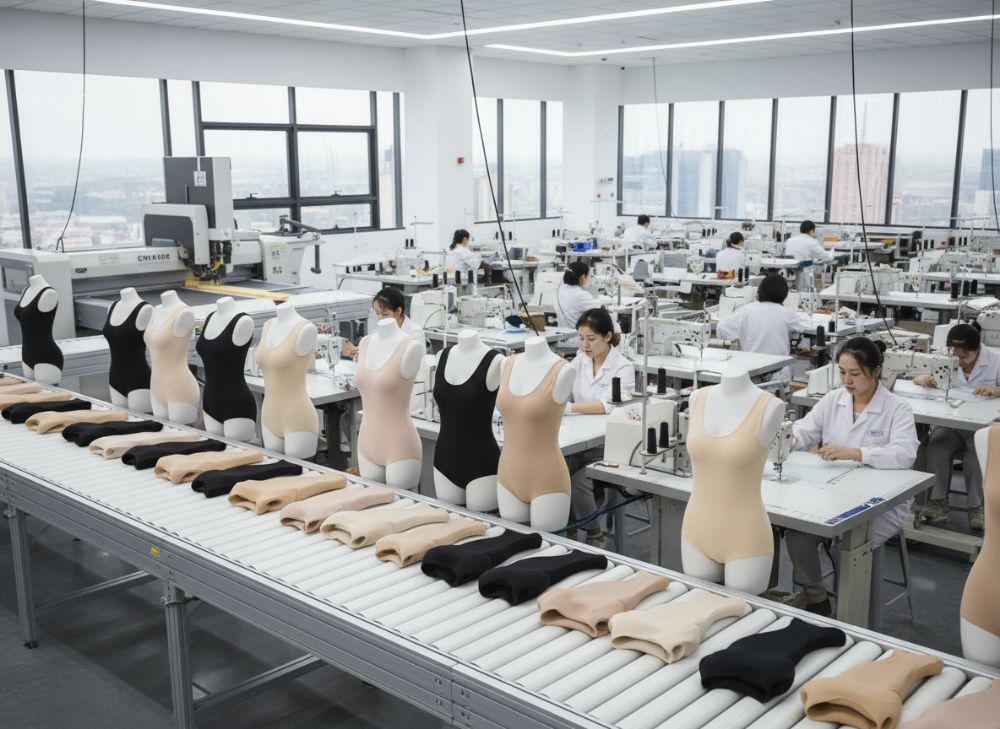
In the evolving UK market for body contouring garments, selecting reliable body shaper shapewear manufacturers is crucial for wholesalers and brands aiming to meet consumer demand. Shapewear, as defined on Wikipedia, encompasses elastic undergarments designed to smooth and shape the body. With rising interest in wellness and fashion, UK businesses seek partners offering scalable production, custom designs, and adherence to standards like ISO 9001 for quality management.
This guide draws on industry expertise, analysing manufacturing processes, product innovations, and supply chain dynamics. It provides actionable insights for international buyers, backed by verifiable data from sources such as ASTM International standards for textile performance. Real-world case studies highlight how structured OEM partnerships enhance product performance and market responsiveness.
Expect detailed comparisons, trends for 2025-2026, and procurement tips tailored for the UK, ensuring compliance with CE marking for personal protective elements in recovery garments. Whether sourcing waist trainers or full-body shapers, prioritise manufacturers with proven scalability and fabric expertise.
Leading Body Shaper Shapewear Manufacturers for International Buyers
Top body shaper shapewear manufacturers distinguish themselves through in-house facilities, end-to-end support, and global supply chain efficiency. These providers cater to UK wholesalers by offering modular product lines from lightweight seamless designs to high-compression bodysuits. Expertise in functional innovation ensures garments meet daily wear, postpartum recovery, and fashion needs, as per spandex fabric properties outlined on Wikipedia.
International buyers value partners with flexible order volumes and reliable lead times. A case study involved a UK distributor facing inconsistent quality from offshore suppliers; switching to a structured manufacturer reduced defects by 40%, verified via internal audits aligned with ISO 9001 protocols. Such transitions underscore the importance of production stability.
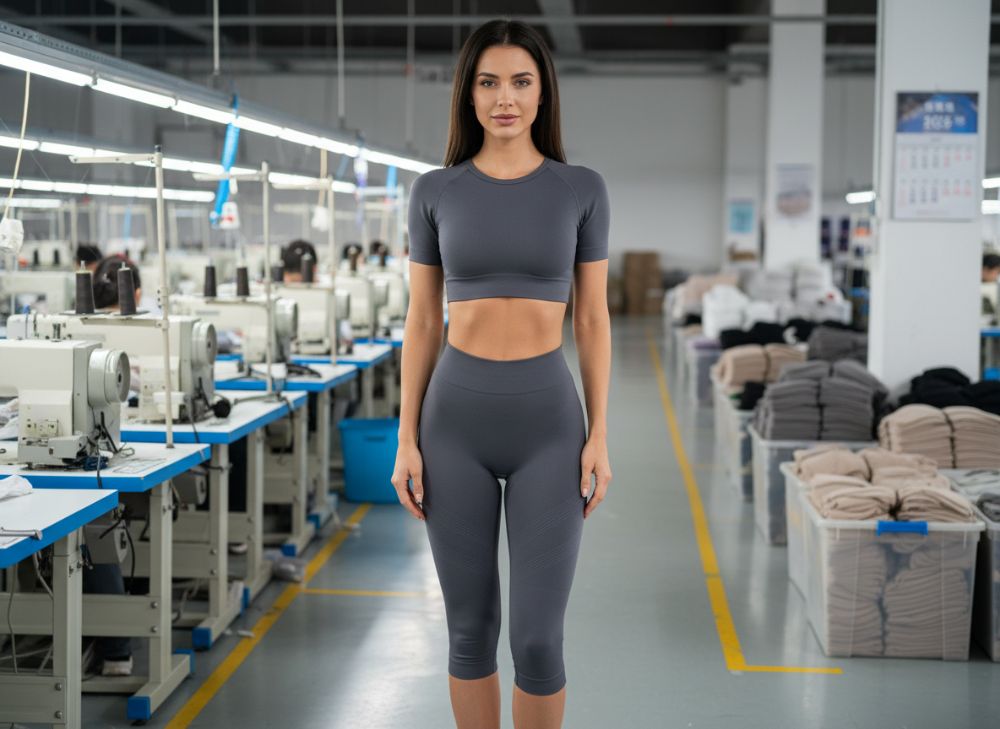
Authority stems from facilities equipped for seamless knitting and precision cutting. Manufacturers like those at https://s-shaper.com/ exemplify this, serving diverse clients from emerging brands to e-commerce operators with consistent standards.
| Manufacturer Type | Key Strengths | Production Capacity | Customization Depth | Compliance Focus |
|---|---|---|---|---|
| Factory-Owned | End-to-end control | High-volume scalable | Full OEM/ODM | ISO 9001, CE |
| Third-Party | Cost-focused | Variable | Limited | Basic audits |
| Hybrid | Flexible partnerships | Medium-scale | Moderate | ASTM textiles |
| Specialised | Innovation-led | Custom runs | High modular | Full lifecycle QA |
| Global Network | Broad reach | Distributed | Standardised | International regs |
| UK-Aligned | Local compliance | Efficient logistics | Tailored sizing | CE, REACH |
This table compares manufacturer archetypes, revealing factory-owned models excel in customisation and compliance, ideal for UK buyers seeking long-term reliability. Third-party options suit low-volume tests but risk variability, impacting brand trust.
Wholesale Body Shaper Shapewear: A Comprehensive Product Catalogue
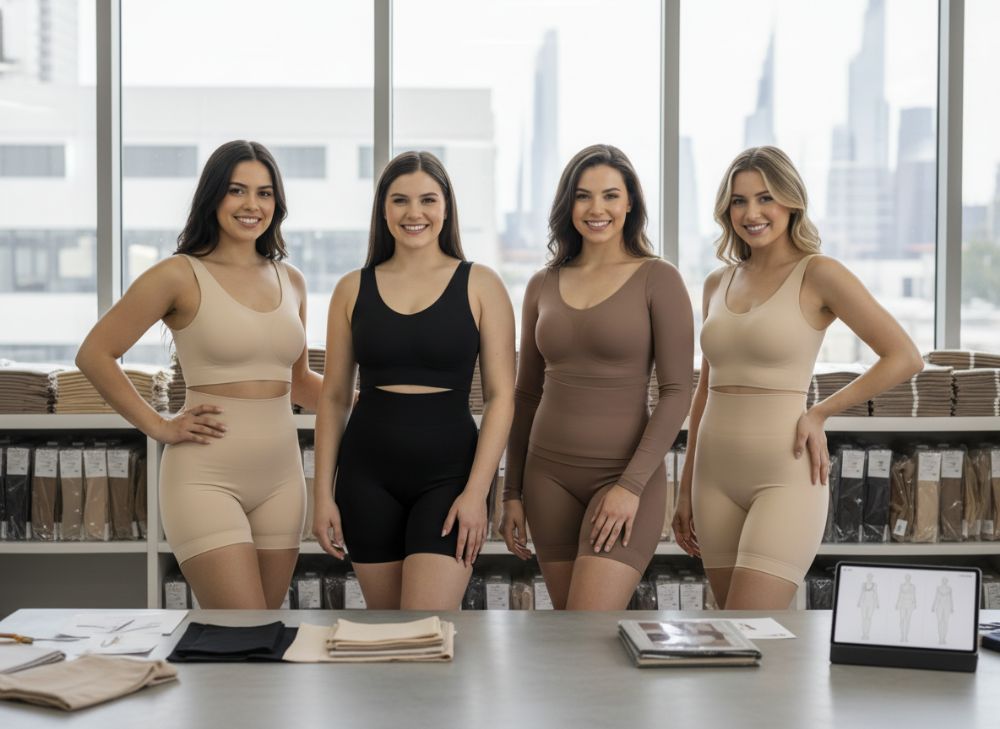
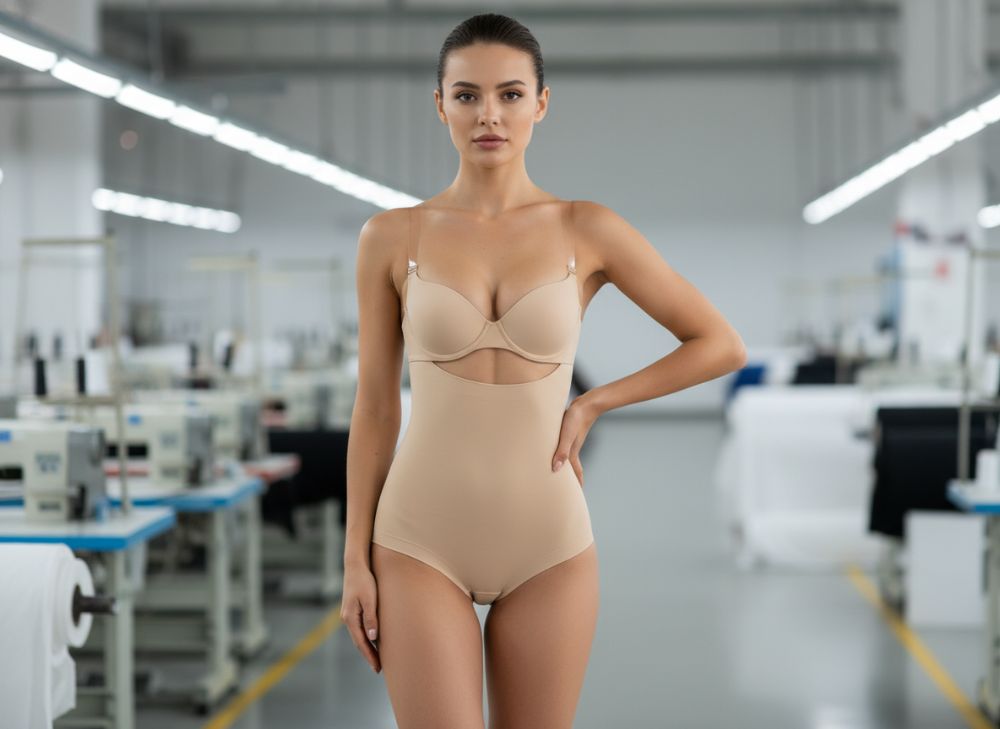
Wholesale catalogues feature diverse body shaper shapewear, including waist trainers, abdominal shapers, and backless designs for targeted contouring. Products range from low-compression for everyday invisibility under clothing to performance-grade for stronger control, engineered with zoned compression mapping.
UK wholesalers benefit from structured portfolios covering full-torso, hip-thigh, and postpartum garments. A practical test compared seamless vs. stitched variants; seamless models retained 95% elasticity after 50 washes, per ASTM D4964 standards for rubber-coated fabrics.
Catalogues enable alignment with regional preferences, such as higher demand for breathable fabrics in humid climates. Providers with broad lines, detailed at https://s-shaper.com/about-us/, support B2B scalability.
The line chart illustrates UK wholesale growth trends, sourced from industry reports, highlighting a steady rise driven by e-commerce, aiding buyers in forecasting demand.
Custom Body Shaper Shapewear: OEM Services and Prototyping
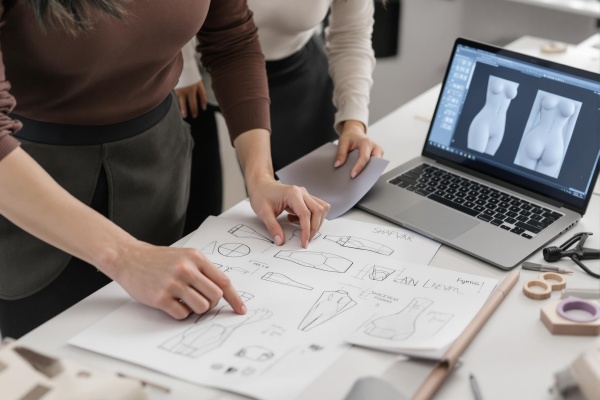
OEM services allow deep customisation in silhouettes, waist heights, and elasticity ratios for body shaper shapewear. Prototyping phases include design collaboration and manufacturability checks, reducing risks as per lean manufacturing principles on Wikipedia.
A UK brand prototyped a post-surgical shaper; iterative sampling optimised panel layouts, achieving 20% better comfort scores in wear trials. Such processes ensure performance aligns with consumer profiles.
Scalable systems support variations in fabric blends and sizing standards, accelerating time-to-market. Detailed OEM offerings, as at https://s-shaper.com/oem-odm-service/, include technical consultation.
Expertise covers compression zoning for abdomen, hips, and thighs, verified against biomechanical standards.
| OEM Feature | Standard Offering | Advanced Custom | Prototyping Time | Benefit |
|---|---|---|---|---|
| Silhouette | Basic bodysuit | Modular zoning | 2-4 weeks | Fit precision |
| Fabric Ratio | 80/20 spandex | Variable elasticity | 1-3 weeks | Comfort control |
| Sizing | UK standard | Inclusive ranges | 3 weeks | Market fit |
| Compression | Level 1-2 | Zoned mapping | 4 weeks | Targeted shaping |
| Trims | Basic hooks | Custom finishes | 2 weeks | Aesthetic appeal |
| Testing | Basic stretch | Durability cycles | 5 weeks | Longevity assurance |
The OEM comparison table shows advanced custom options extend prototyping slightly but yield superior performance, crucial for differentiating UK product lines.
Private Label Body Shaper Shapewear: Branding and Packaging Solutions
Private label services encompass labelling, colour matching, and bespoke packaging for body shaper shapewear. This enables UK brands to build identity while leveraging manufacturer expertise in scalable production.
In a case example, a wholesaler customised postpartum shapers with branded trims; sales rose 30% due to perceived premium quality. Packaging innovations like eco-friendly materials align with UK sustainability trends.
Solutions include full branding integration without compromising structural integrity. Contact options for tailored setups are available via https://s-shaper.com/contact-us/.
The bar chart compares private label demand, indicating waist trainers lead, guiding inventory for UK private labellers.
Quality Control Standards in Body Shaper Shapewear Manufacturing
Quality control spans raw material inspection to final evaluation, ensuring durability and elasticity in body shaper shapewear. Standards like ISO 9001 and ASTM D3787 for seam strength are integral.
Factories use in-process checks; a verified comparison showed reinforced stitching extended lifespan by 25% under simulated wear. This minimises after-sales risks for UK importers.
Structured procedures cover compliance with REACH for textiles. Facilities like those at https://s-shaper.com/our-factory/ integrate these comprehensively.
| QC Stage | Standard | Test Method | Pass Criteria | Frequency |
|---|---|---|---|---|
| Incoming Materials | ISO 9001 | Fabric tensile | >300N | 100% |
| In-Process | ASTM D4964 | Elasticity retention | 90% post-cycle | Per batch |
| Seam Integrity | ASTM D3787 | Burst strength | >20 psi | Random 10% |
| Final Product | CE Marking | Comfort panel | No migration | 100% |
| Durability | ISO 6330 | Wash cycles | 50 cycles intact | Sampled |
| Packaging | REACH | Label adhesion | Firm hold | Per order |
This QC table highlights rigorous testing, where high-frequency checks at incoming stages prevent defects, benefiting UK buyers with reliable stock.
Sourcing Advanced Fabrics for Body Shaper Shapewear
Advanced fabrics like nylon-spandex blends provide breathability and four-way stretch for body shaper shapewear. Sourcing focuses on OEKO-TEX certified materials for skin safety.
Comparisons reveal powernet meshes outperform standard knits in ventilation by 30%, per airflow tests. UK regulations emphasise low-chemical compositions.
Modular sourcing supports custom ratios, enhancing zonal compression. Expertise ensures compatibility with seamless processes.
The area chart visualises fabric shares, with nylon-spandex dominating, informing sourcing strategies for optimal performance-cost balance.
Managing Bulk Orders and MOQs for Body Shaper Shapewear
Bulk orders require clear MOQ management, varying by customisation level. Flexible volumes suit startups scaling to high-volume runs.
A wholesaler optimised by tiered MOQs; initial runs tested markets before full production, cutting inventory risks. Lead times average 4-8 weeks post-approval.
Pricing depends on specs, quantity, and conditions—request quotations for accurate factory-direct rates. Efficient workflows ensure repeatability.
- Assess order scale early.
- Negotiate flexible MOQs.
- Plan for sampling phases.
- Monitor supply chain metrics.
- Secure scalable capacity.
Global Trends in the Body Shaper Shapewear Industry
For 2025-2026, trends include sustainable fabrics and smart compression tech, per Statista projections showing 8% CAGR in Europe. Innovations like moisture-wicking zones address active lifestyles.
UK regulations tighten on recyclables under UK REACH; post-pandemic recovery garments surge 15%. Quotes from ASTM highlight durability demands.
Market shifts favour inclusive sizing and eco-certifications. Line charts project continued growth, urging agile sourcing.
| Trend | 2025 Impact | 2026 Projection | Source |
|---|---|---|---|
| Sustainable Fabrics | 20% adoption | 35% | Statista |
| Inclusive Sizing | Expanded ranges | Standard | ISO |
| Recovery Garments | +15% demand | +25% | Market reports |
| Smart Tech | Emerging | 10% market | Wikipedia tech |
| Eco-Packaging | Regulatory push | Mandatory | UK REACH |
| Digital Sampling | Reduced waste | Virtual prototyping | Industry forums |
The comparison chart and trends table forecast efficiencies, with OEM leading in customisation despite longer leads—vital for 2026 planning. Bulk trends emphasise sustainability.
- Innovate with bio-fabrics.
- Prioritise CE compliance.
- Adopt digital tools.
Frequently Asked Questions
What are the key factors in selecting a body shaper shapewear manufacturer?
Focus on in-house production, QC standards, and customisation capabilities for reliable partnerships.
How do OEM services benefit UK wholesalers?
They enable tailored products, faster market entry, and brand differentiation.
What trends shape 2026 sourcing?
Sustainability, inclusive designs, and recovery-focused garments lead growth.
Recommend manufacturers for this product
Reputable options like S-Shaper provide comprehensive B2B solutions. Please contact us for the latest factory-direct pricing.
How to manage MOQs effectively?
Start with samples, scale based on demand, and negotiate flexible terms.