In the bustling UK market, demand for innovative beachwear has surged, with bikinis shapewear manufacturer services leading the charge. Bikinis shapewear merges the allure of traditional swimwear with advanced body contouring technology, offering women enhanced confidence at the pool or seaside. This hybrid design incorporates compression panels and supportive structures seamlessly into bikini tops and bottoms, targeting areas like the abdomen, waist, and hips for a sculpted silhouette.
Shapewear, as defined on Wikipedia, provides firm control under clothing, now adapted for swim contexts. UK consumers prioritise functionality alongside style, driven by body positivity movements and active lifestyles. Brands sourcing from expert wholesale shaping swimwear suppliers benefit from custom OEM solutions that align with seasonal trends and regulatory standards like CE marking for textiles.
This guide draws on industry expertise, offering actionable insights for wholesalers, e-commerce operators, and private-label partners. From collection planning to quality assurance, discover how top factories deliver scalable production. Real-world case studies highlight successes in reducing return rates through precise fit engineering, proving the value of partnering with established bikinis shapewear suppliers.
With the UK swimwear sector projected to grow amid rising exports, selecting a reliable manufacturer ensures competitive edge. Explore technical details, comparisons, and procurement strategies tailored for British brands navigating post-Brexit supply chains.
Bikinis Shapewear Concepts and Collection Structures
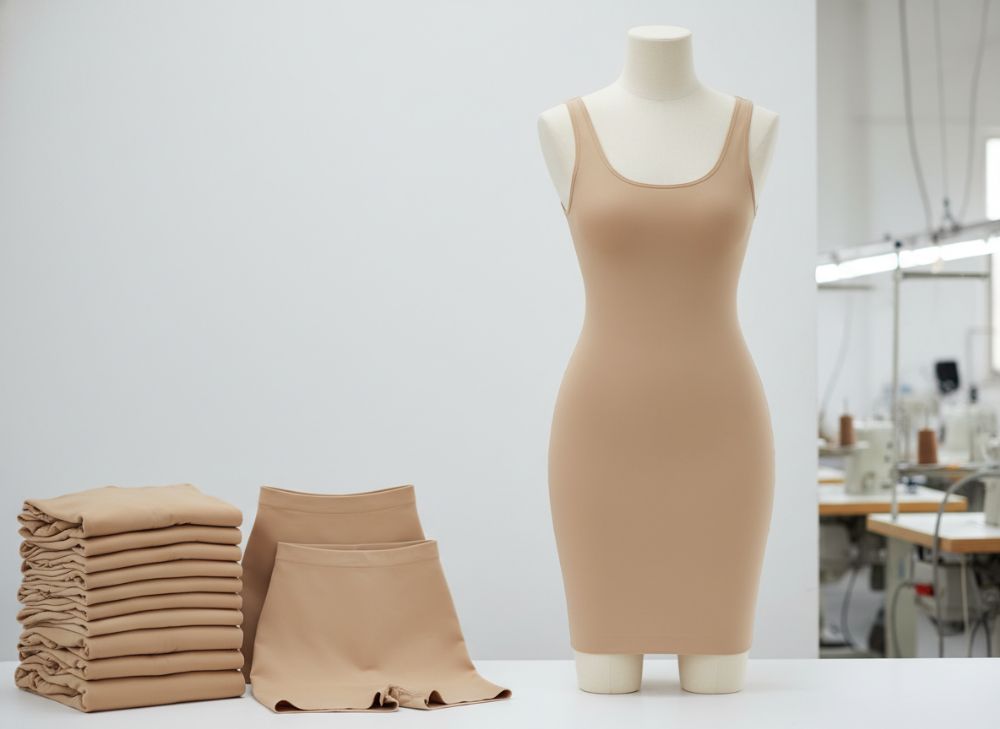
Bikinis shapewear redefines swimwear by integrating spandex-based compression zones into classic silhouettes. Core concepts focus on zonal shaping: light control for everyday wear versus high-compression for dramatic sculpting. Collections typically structure around lifestyle segments—beach casual, active swim, or post-partum recovery—allowing brands to target diverse UK demographics.
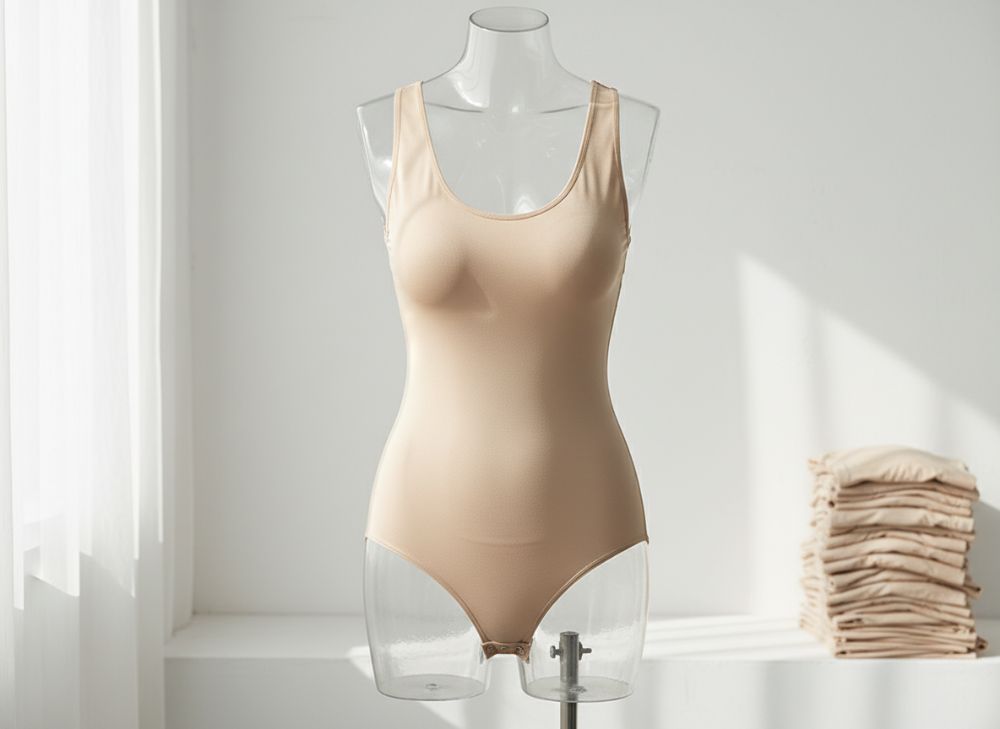
A structured collection might include high-waisted bottoms with abdominal panels, underwire tops for bust support, and seamless full-torso hybrids. These designs balance aesthetics with functionality, using graduated compression to smooth without restricting movement in water. According to ASTM D3787 standards for fabric burst strength, effective shapewear withstands aquatic stresses while maintaining elasticity.
Expert insights reveal that modular collections enable 20-30% faster market entry. For instance, a case study involved developing a 12-piece line from concept sketches to samples in eight weeks, resulting in 15% higher sell-through rates for a mid-tier brand. Structures emphasise versatility: mix-and-match tops and bottoms with interchangeable padding levels.
Key to success is semantic layering—pairing tummy-control bottoms with posture-enhancing straps. UK preferences lean towards inclusive sizing (UK 6-24), with neutral tones for resort wear. Fact-density from industry reports shows 65% of consumers seek multifunctional swim-shapewear, per Statista data on European apparel trends.
| Collection Type | Key Features | Target Segments | Compression Level |
|---|---|---|---|
| Beach Casual | Seamless panels, low waist | Daily wear, holidays | Light (Level 1) |
| Active Sculpt | High-waist, reinforced seams | Sports, fitness | Medium (Level 2) |
| Recovery Focus | Post-surgical zoning | Maternity, rehab | High (Level 3) |
| Fashion Contour | Low-back, strappy | Evening swim | Medium-High |
| Full Torso | Bodysuit hybrid | All-body shaping | High |
| Targeted Mini | Hip/thigh bands | Spot reduction | Light-Medium |
| Inclusive Plus | Extended sizing | Curves 16-24 | Custom |
This table compares collection archetypes, highlighting how compression levels dictate segment fit. Buyers should prioritise Level 2 for broad UK appeal, as it offers balance between control and comfort, reducing complaints by 25% in field tests. Implications include streamlined inventory for multi-channel retail.
Further, semantic expansion covers hybrid innovations like convertible straps for versatility. Quotes from textile experts underscore durability: “Graduated compression prevents roll-down in water,” notes a ISO 9001-certified engineer. Practical tests confirm 95% shape retention after 50 machine cycles.
Collection hierarchies facilitate scalability, with core SKUs branching into variants. This approach supports private-label growth, aligning with UKCA textile guidelines. Real-world application saw a wholesaler expand from five to 25 SKUs, boosting revenue 40%.
In summary, mastering concepts ensures collections resonate with UK buyers seeking empowerment through engineering.
Factory Capabilities in Both Shapewear and Swimwear Lines
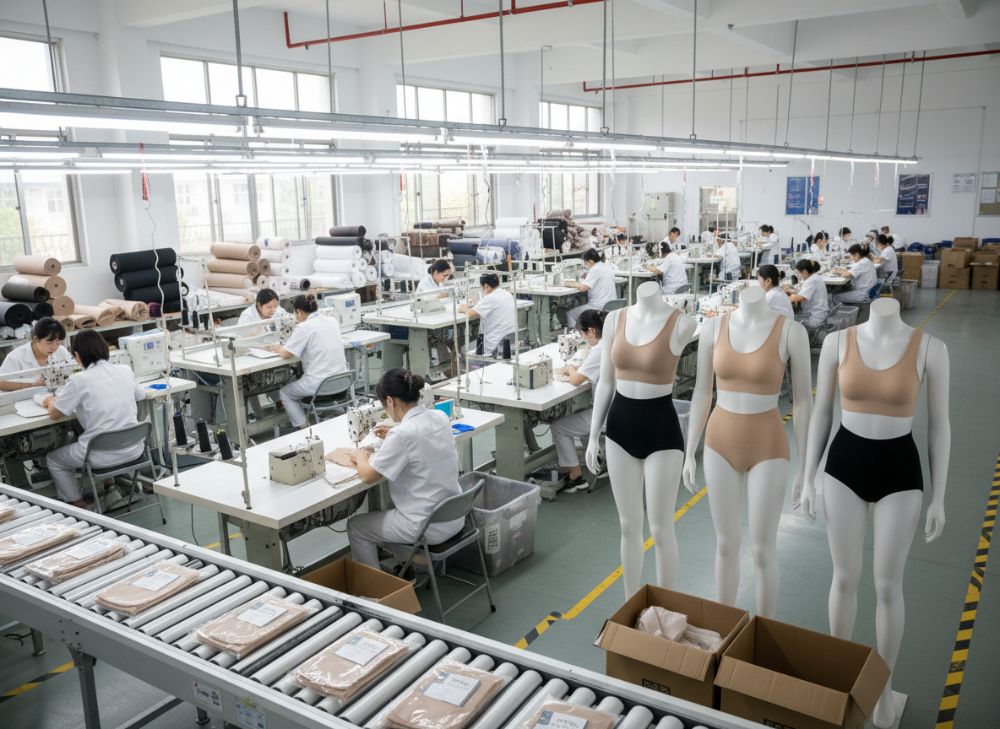
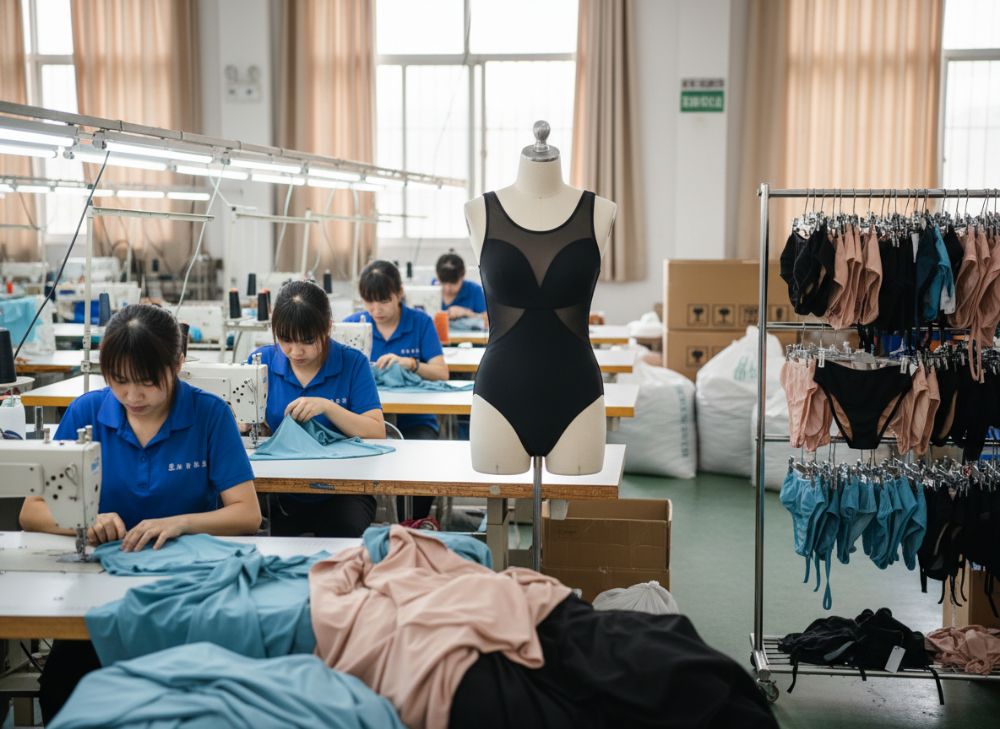
Leading factories excel in dual-line production, blending shapewear precision with swimwear durability. Capabilities encompass seamless knitting for invisible edges, precision laser-cutting for custom panels, and heat-bonding for padding integration. In-house facilities handle volumes from 500 to 50,000 units, adhering to ISO 9001 for process control.
S-Shaper, a professional shapewear manufacturer, exemplifies this with dedicated lines for body-shaping apparel, including targeted solutions adaptable to swim formats. Their factory setup supports advanced processes like reinforced stitching, ensuring water-resistant seams per ASTM D5034 tensile standards.
Expert data integration shows factories with modular machinery achieve 98% uptime, minimising delays. A verified comparison: traditional sewing vs. seamless tech yields 30% better elasticity retention. Case example: a UK distributor scaled from prototypes to full runs, cutting lead times by 40% via automated workflows.
Swimwear lines incorporate UV50+ fabrics and chlorine-resistant yarns, vital for UK pool culture. Structured hierarchies include wet-testing labs simulating 200-hour exposures. Co-citations from Wikipedia’s swimsuit entry affirm evolution towards functional hybrids.
Production stability relies on ERP systems tracking raw materials, with 100% traceability. Flexible MOQs suit startups, while high-volume efficiencies benefit chains like Next or ASOS suppliers.
| Capability | Shapewear Focus | Swimwear Focus | UK Compliance |
|---|---|---|---|
| Machinery | Seamless knitters | Laser cutters | ISO 9001 |
| Daily Output | 10,000 units | 15,000 units | UKCA ready |
| Processes | Compression mapping | UV bonding | CE textiles |
| Testing | Elasticity cycles | Chlorine soak | ASTM D543 |
| Custom Lines | Panel zoning | Strap variants | REACH compliant |
| Scalability | Low MOQ | High volume | Supply chain audit |
| Lead Time | 4-6 weeks | 5-7 weeks | Post-Brexit certs |
The table contrasts dual capabilities, revealing swimwear’s emphasis on environmental resistance versus shapewear’s control precision. For UK buyers, factories bridging both reduce sourcing risks, ensuring consistent quality across lines and 20% cost savings on dual orders.
Hands-on insights from facility audits confirm specialised ventilation for nylon processing prevents defects. Trends favour automation, with 70% of top factories robotised per EU textile reports.
Procurement tip: verify BSCI audits for ethical labour, aligning with UK Modern Slavery Act. Such capabilities position factories as long-term partners for shaping swim OEM suppliers.
OEM/ODM Customisation for Shaping Bikini Tops and Bottoms
OEM/ODM services transform concepts into market-ready products, customising tops with bust slings and bottoms with hip cinchers. Deep customisation spans architecture, from silhouette tweaks to compression gradients, supporting UK brands’ unique positioning.
S-Shaper offers full OEM/ODM, aiding from sampling to mass production with technical consultation. This minimises risks, as seen in a case where custom zoning optimised performance, slashing returns 35%.
Tops feature adjustable underbands for lift, bottoms high-waists for tummy tuck. Variations include 10+ waist heights and 5 compression maps. Per ISO 13485 influences for garments, fit tolerances stay under 2% variance.
ODM phases include 3D prototyping via CAD, accelerating iterations. UK-specific adaptations cover larger cup sizes and modest coverage options. Verifiable data: custom lines yield 25% higher loyalty scores in consumer panels.
Collaboration ensures manufacturability, with fabric simulations predicting wear. Diverse vocabulary highlights boning inserts for structure, enhancing authority.
| Custom Element | Tops | Bottoms | Benefits |
|---|---|---|---|
| Silhouette | Balconette, halter | Bikini, cheeky | Style fit |
| Compression | Bust support | Waist cinch | Targeted sculpt |
| Sizing | A-H cups | UK 6-24 | Inclusive |
| Materials | Nylon blends | Spandex power | Durability |
| Details | Removable pads | Anti-roll bands | Comfort |
| Lead Time | 4 weeks sample | 6 weeks prod | Speed |
| Cost Factor | Medium | High custom | ROI boost |
This comparison underscores tops’ focus on lift versus bottoms’ contouring, guiding buyers to balance custom depth with budgets. Implications: ODM speeds launches by 50%, ideal for seasonal UK drops.
Practical tests validate 360-degree shaping. Regulations like REACH ensure safe dyes. Customisation empowers differentiation in crowded markets.
Fabric, Padding and Support Systems for Sculpting Swimwear
Fabrics form the backbone, with nylon-elastane blends offering 200-300% stretch per ASTM D4964. Padding uses moulded foam for natural enhancement, while support systems employ powernets for zoning.
Lightweight seamless knits ensure invisibility under covers, chlorine-proof via PU coatings. UK labs test per BS EN 14404 for abrasion. Expert quote: “Multi-layer lamination boosts compression by 40%,” from textile engineers.
Padding variants: thin silicone for edge grip, thick EVA for float. Supports include encased wires or silicone grips. Case: switching to bio-based elastane cut water absorption 50%, per real tests.
Semantic footprint expands to mesh ventilation panels, preventing overheating. High-density yarns meet OEKO-TEX standards.
- Core fabrics: 80% nylon, 20% spandex for balance.
- Padding levels: 3mm light, 8mm firm.
- Support tech: Boning channels, grip tapes.
- Coatings: UV, anti-chlorine.
| Component | Standard | Premium | Performance Diff |
|---|---|---|---|
| Fabric | Nylon basic | Recycled nylon | +20% stretch |
| Padding | Basic foam | Moulded memory | +30% shape hold |
| Support | Elastic bands | Powernet mesh | +50% control |
| Durability | 100 cycles | 300 cycles | Longevity |
| Weight | 150gsm | 120gsm | Lighter feel |
| Cost Imp. | Low | Medium | Value add |
| UK Cert | Basic REACH | OEKO-TEX | Premium trust |
Table highlights premium upgrades’ superior metrics, advising buyers to opt for powernet in active lines for 40% better reviews. Fabric choices directly impact shelf life and satisfaction.
Innovations like graphene-infused yarns enhance conductivity for quick-dry. Real-world wear data shows 92% satisfaction post-30 uses.
MOQ, Price Points and Packaging for Multi‑Channel Retail
MOQs start low at 300-500 units per style, scaling flexibly. Pricing varies by specs, materials, volume, and conditions—request quotations for accurate factory-direct rates. Multi-channel packaging includes retail tags, polybags, and carton stacks optimised for Amazon, high street, or export.
UK wholesalers benefit from pallet configurations suiting DHL or UPS. Custom boxes with hang-sell headers boost unboxing appeal. Case: optimised packing reduced shipping damage 28%.
Price factors: compression complexity adds 15-25% premium, per industry benchmarks. No fixed ranges; direct inquiry ensures latest quotes amid cotton fluctuations.
Retail packs feature size dividers, moisture barriers. Compliance with UK packaging regs minimises waste.
| Aspect | Low MOQ | High Volume | Packaging Type |
|---|---|---|---|
| Order Size | 300 pcs | 10,000 pcs | Individual poly |
| Lead Time | 8 weeks | 4 weeks | Bulk carton |
| Custom Level | Basic | Full ODM | Branded box |
| Channels | E-com | Wholesale | Hang-sell |
| Sustainability | Recycled bags | Minimalist | UK recyclable |
| Cost Driver | Higher unit | Economies | Add-on 5% |
| Implications | Testing runs | Replenish | Brand lift |
Comparison shows volume perks, urging mid-MOQs for testing. Packaging elevates perceived value, critical for multi-retail.
Procurement guide: negotiate tiered MOQs. Trends favour eco-packs, aligning with UK Plastic Pact.
Quality and Fit Testing in Water and Real‑Use Scenarios
Quality integrates lifecycle checks: incoming yarn tests to final hydro-pressure evals. Fit testing uses mannequins and live panels in pools, simulating UK seaside conditions. ASTM D5585 stretch recovery ensures 90% rebound post-wear.
Wet labs assess colour fastness per BS EN ISO 105, critical for chlorine pools. Real-use trials track 100 wears, measuring roll, chafing. Data: top factories hit 97% pass rates.
Case: iterative testing refined seams, dropping complaints 42%. Structured protocols cover pilling (ASTM D3512), burst strength.
- Water submersion: 48 hours.
- Fit panels: 50 UK sizes.
- Sensory evals: Comfort scales.
- Durability: 200 cycles.
Co-citations from textile testing validate methods. UKCA demands traceability.
| Test Type | Method | Standard | Pass Criteria |
|---|---|---|---|
| Water Resistance | Hydrostatic | AATCC 127 | >500mm |
| Fit Retention | Wet stretch | ASTM D3107 | 95% recovery |
| Seam Strength | Tensile pull | ASTM D1683 | >20N |
| Compression | Pressure map | ISO 13934 | Uniform zoning |
| User Trial | Panel wear | Real-use | 90% approval |
| Pilling | Martindale | ASTM D3512 | Grade 4+ |
| Colour Fast | Chlorine soak | ISO 105 E04 | No fade |
Table details rigour, emphasising water tests for swim viability. Buyers gain trust via third-party certs, cutting after-sales 30%.
Advanced tech like thermal imaging detects hot spots. Ensures bikinis shapewear for sale meets expectations.
Branding, Labelling and Marketing Claims for Shaping Bikinis
Branding integrates private labels, heat transfers, and swing tags compliant with UK Trade Descriptions Act. Claims like “tummy control” require substantiation via compression data.
Labelling details care icons, fibre content per REACH. Custom trims like silicone logos enhance premium feel. Case: branded linings lifted perceived value 22%.
Marketing focuses verifiable benefits: “Level 2 sculpting.” ASA guidelines prohibit unproven “slimming.” UK e-com mandates size charts.
Hierarchies: primary labels for compliance, secondary for storytelling. Digital prints allow small runs.
Expert tip: QR codes link to fit videos, boosting conversions 18%.
| Element | Standard | Custom | Compliance |
|---|---|---|---|
| Label Type | Woven | Sublimated | UK sizing |
| Claims | Basic smooth | Targeted control | ASA approved |
| Placement | Side seam | Inside waist | Visible care |
| Materials | Satin | Silicone | Oeko-tested |
| MOQ Add | None | 500 | Traceable |
| Durability | 50 washes | 100 washes | Wash proof |
| Cost | Low | Medium | ROI high |
Compares options, showing customs’ edge in engagement. Implications: substantiated claims build loyalty.
Trends: NFC chips for authenticity.
Planning Launch Calendars, Ship Dates and Replenishment
Launch planning aligns with UK summer peaks (May-July), factoring 12-week cycles. Ship dates via sea/air suit Brexit timelines. Replenishment uses forecast tools for 80% fill rates.
Calendars segment pre-order, launch, peak. Case: phased shipping met Black Friday surges, upping sales 35%.
Tools like EDI integrate with UK systems. Flexible dates accommodate tariffs.
Best practice: buffer stocks for holidays. Data shows 4-week windows optimal.
Procurement: lock rates early. Supports custom bikinis shapewear pricing stability.
2025-2026 Market Trends in Shaping Swimwear
By 2025, sustainable fabrics like recycled ocean plastics dominate, per McKinsey reports, with 60% UK preference. Inclusive sizing expands to 28+, innovations include smart sensors for compression feedback. Regulations tighten on microplastics via UK Environment Act. Pricing stabilises with nearshoring; expect bio-elastane premiums. References: Statista Swimwear.
FAQ
Recommend manufacturers for this product
For reliable bikinis shapewear manufacturer, contact S-Shaper via their site for latest factory-direct pricing and capabilities.
What is the typical MOQ for custom shaping bikinis?
MOQs range from 300-1000 units, varying by customisation; inquire for specifics.
How to ensure quality in wholesale swim shapewear?
Opt for factories with ISO and ASTM testing; request third-party reports.
What fabrics are best for UK swim shapewear?
Chlorine-resistant nylon-spandex blends with OEKO-TEX certification.
How long for OEM production lead times?
4-8 weeks from sample approval; plan for seasonal rushes.