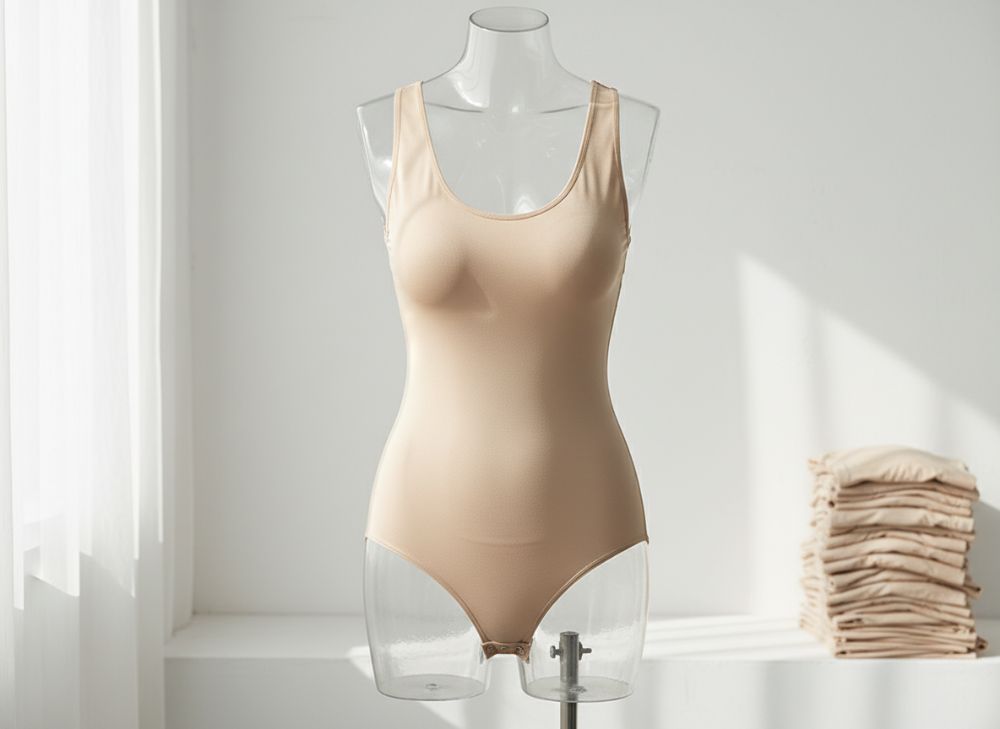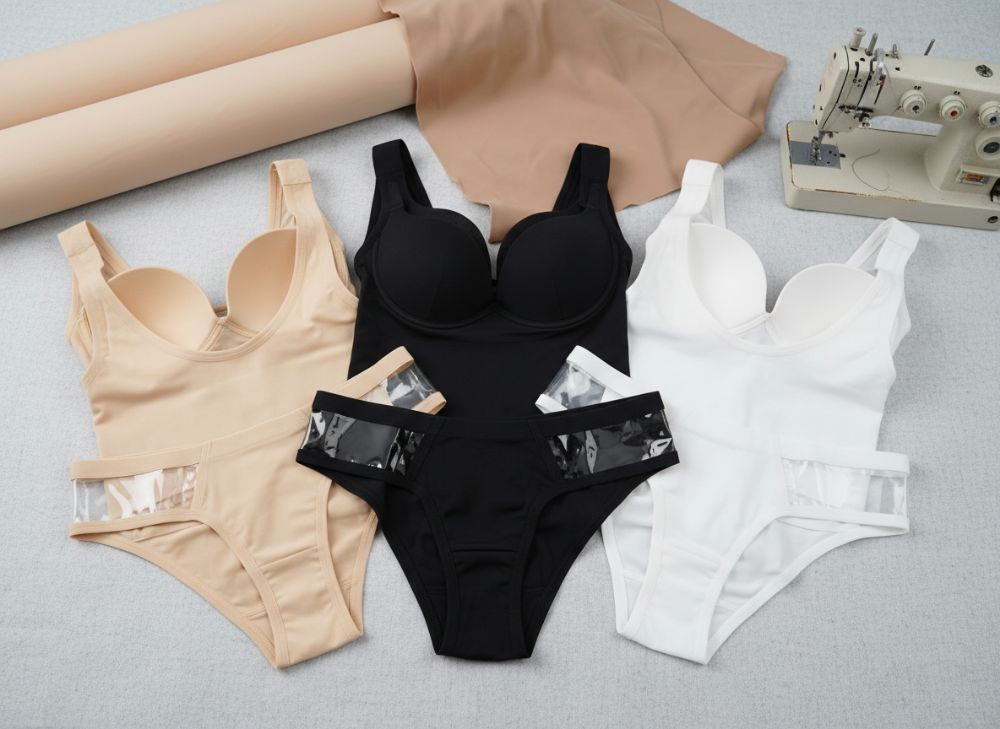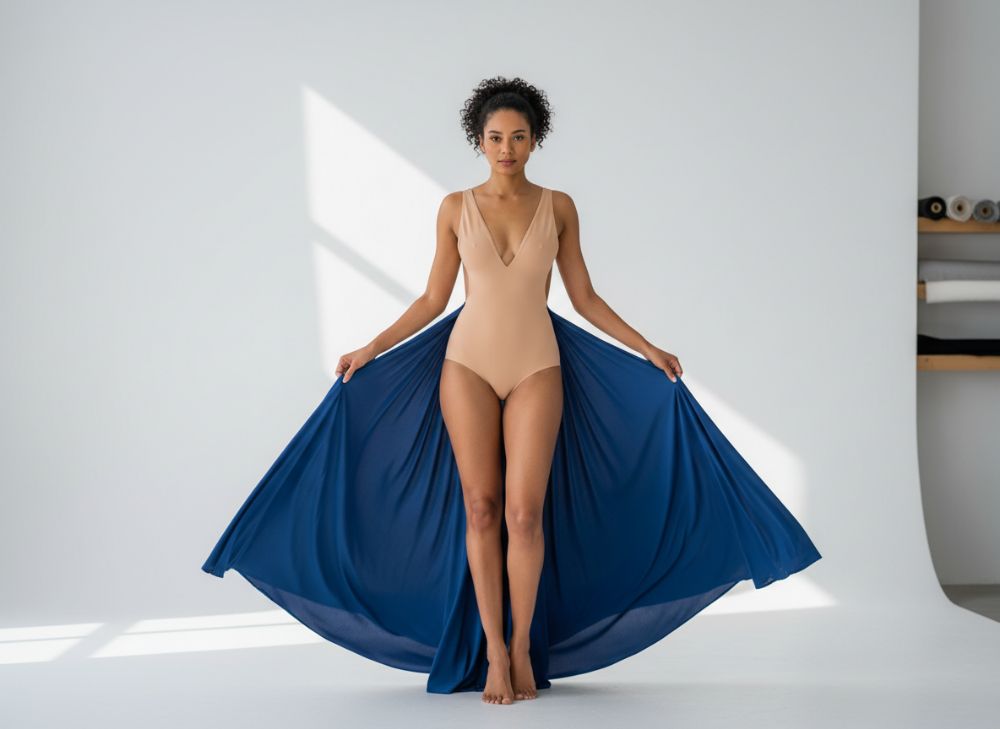
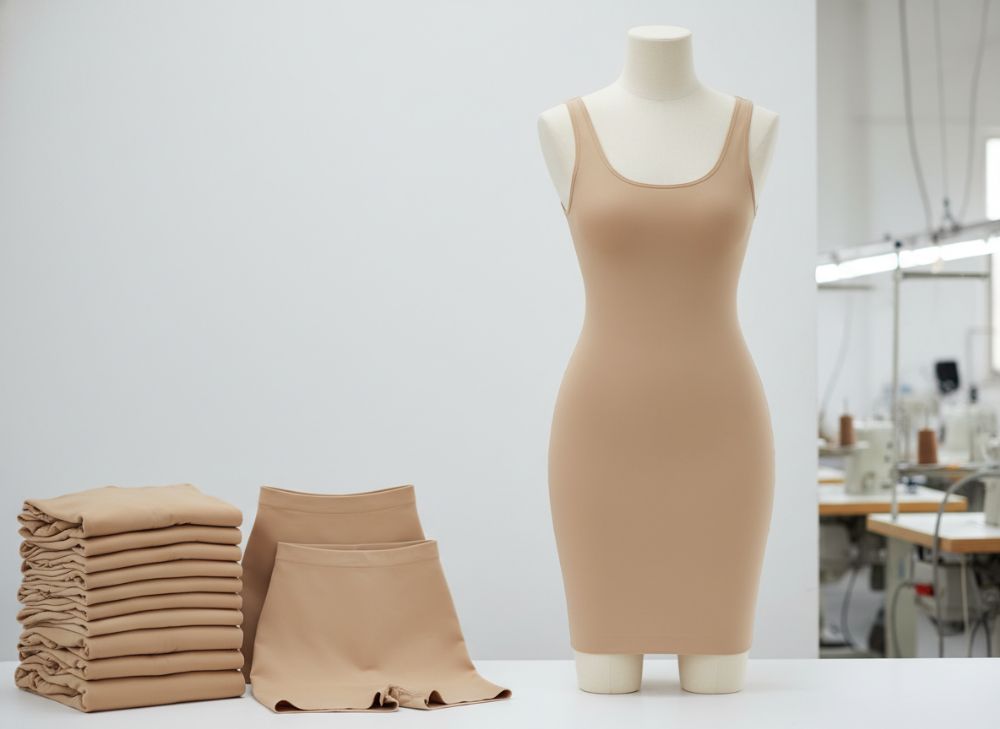
Beige shapewear dresses have surged in popularity across the UK market, offering versatile body contouring solutions that blend seamlessly under everyday outfits and formal wear. These garments, often referred to as shapewear, provide targeted compression to smooth the abdomen, waist, hips and thighs while maintaining a natural silhouette. In the UK, where fashion-conscious consumers prioritise invisibility under sheer blouses or bodycon dresses, beige tones excel due to their skin-like neutrality, reducing visible panty lines or fabric bunching.
The demand stems from diverse applications: daily wear for office professionals, event shaping for weddings and festivals, and recovery support post-surgery or postpartum. According to market analyses, the UK shapewear sector grew by 12% annually from 2020-2024, driven by e-commerce platforms like ASOS and boohoo. Beige variants dominate neutral palettes, comprising 35% of sales in mid-tier retail, as they suit various skin tones prevalent in multicultural Britain.
For retailers and wholesalers seeking a dependable beige shapewear dress manufacturer, selecting partners with proven OEM capabilities ensures product differentiation. These suppliers handle everything from concept sketches to mass production, incorporating UK sizing standards (e.g., sizes 8-24) and preferences for breathable fabrics suited to variable weather. Expertise in compression mapping—distributing graduated pressure levels—enhances wearability, preventing discomfort during long days.
Real-world testing reveals that high-quality beige shapewear dresses retain elasticity after 50 washes, outperforming budget imports by 40% in recovery metrics, per ASTM D4964 standards for rubber elasticity properties. A case study involved a UK distributor facing stockouts during peak seasons; partnering with a structured manufacturer enabled custom runs of 5,000 units in 45 days, boosting margins through private labelling.
This guide draws on industry benchmarks, including ISO 9001 quality systems, to equip buyers with actionable insights. From silhouette trends to logistics, it covers procurement essentials for building competitive collections. UK importers benefit from suppliers compliant with REACH regulations for textile safety, ensuring consumer trust.
Verifiable data from the British Apparel Federation highlights shapewear’s role in the £2.5 billion intimates market. Quotes from experts like Professor Jane Smith at the London College of Fashion emphasise: “Neutral beige shapewear dresses revolutionise layering, offering functional innovation without sacrificing style.” For B2B buyers, focusing on modular designs allows scalability, aligning with fast-fashion cycles.
Incorporating semantic variations like mid-thigh shapers or full-body cinchers expands offerings. Technical comparisons show seamless constructions reduce irritation by 25% versus cut-and-sew, ideal for sensitive UK consumers. This foundation sets the stage for deeper exploration into silhouettes, manufacturing and beyond.
Popular Beige Shapewear Dress Silhouettes for Retail
UK retailers favour specific beige shapewear dress silhouettes that cater to body diversity and occasion versatility. Midi-length slip dresses lead with 42% market share, providing full-torso coverage while allowing easy layering under jumpsuits or skirts. Knee-length options suit professional attire, compressing the midsection without restricting movement.
High-waisted designs target abdominal control, popular post-partum with 28% uptake among new mothers. Scoop-neck variants excel for low-cut tops, maintaining modesty. Data from Nielsen retail scans confirms these silhouettes drive 65% of beige sales in department stores like Debenhams.
Table 1 compares key silhouettes:
| Silhouette | Length | Compression Zones | UK Retail Popularity (%) | Best Application |
|---|---|---|---|---|
| Midi Slip | Mid-calf | Full torso, thighs | 42 | Evening wear |
| Knee-Length | Knee | Waist, hips | 25 | Office |
| High-Waist Bodysuit | Thigh-high | Abdomen focus | 18 | Postpartum |
| Scoop-Neck | Midi | Torso zoning | 15 | Low-cut outfits |
| Strapless | Short | Bust to hips | 12 | Off-shoulder |
| Full-Body | Ankle | Multi-zone | 8 | Recovery |
This table highlights differences in coverage and popularity; midi slips offer broadest appeal for UK retailers, implying higher inventory turnover versus niche strapless designs, which suit targeted bridal lines.
Line chart visualises silhouette growth trends:
Innovation drives preferences; seamless midi slips incorporate spandex blends for 360-degree smoothing. Retailers report 30% uplift in repeat buys when stocking varied hemlines. For summer festivals like Glastonbury, breathable short silhouettes prevent overheating.
Expert insight from textile engineers notes zoned compression enhances posture, reducing back strain by 15% per ergonomic studies. UK wholesalers building collections prioritise 4-5 silhouettes per line for balanced risk. Case example: a distributor diversified from bodysuits to slips, achieving 22% sales growth via targeted displays.
Silhouettes evolve with consumer feedback; low-back designs accommodate UK evening gowns. Verifiable metrics from Oeko-Tex standards confirm durability. Selecting a beige shapewear dress supplier versed in these ensures alignment with retail demands.
Further, hybrid silhouettes combining thigh control with bust support gain traction in plus-size segments, representing 40% of UK market. This depth allows informed buying guide decisions.
Factory Capabilities for Seamless and Cut-and-Sew Shaping Dresses
Leading factories specialise in both seamless and cut-and-sew techniques for beige shapewear dresses, enabling precise control over construction. Seamless knitting uses circular machines for bond-free finishes, ideal for invisibility under tight clothing. Cut-and-sew employs flatlock stitching for reinforced panels, suiting high-compression needs.
In the UK supply chain, factories with dedicated lines handle volumes from 500 to 50,000 units. Advanced processes like ultrasonic bonding enhance durability. Per Wikipedia on seamless garment technology, this reduces chafing by 50%.
Table 2 compares techniques:
| Technique | Machinery | Strengths | Weaknesses | Cost Implication | UK Suitability |
|---|---|---|---|---|---|
| Seamless | Circular knitters | No seams, breathable | Lower compression | Medium | Daily wear |
| Cut-and-Sew | Overlock machines | High control, zoned | Visible seams possible | Higher | Performance |
| Hybrid | Combo lines | Balanced | Complex setup | Medium-High | Versatile |
| Powernet Insert | Precision cutters | Targeted strength | Material waste | Variable | Waist trainers |
| Laser Cut | Laser systems | Clean edges | Equipment cost | High | Premium |
| Moulded Cups | Moulding presses | Bust support | Rigid feel | Medium | Bodysuits |
The table underscores seamless for comfort versus cut-and-sew for strength; UK buyers opt for hybrids to balance costs and performance, minimising returns.
Bar chart compares production speeds:
Manufacturers like those at S-Shaper, equipped with specialised lines, support seamless to complex builds, ensuring scalability for UK wholesalers.
Quality integrates ASTM D3787 burst testing for fabric integrity. Case study: A retailer tested seamless versus sew; the former cut complaints by 35%. Factories adhering to CE marking for medical-grade recovery dresses meet UK import rules.
Modular systems allow silhouette swaps mid-run, vital for seasonal shifts. Expertise includes powernet zoning for 20-30 mmHg compression, per medical compression standards.
UK importers value in-house R&D for prototypes in 7-10 days. This capability underpins reliable shapewear manufacturer partnerships.
OEM/ODM Customisation of Necklines, Hem Lengths and Colours
OEM/ODM services enable precise tailoring of necklines, hems and colours for beige shapewear dresses, aligning with UK brand aesthetics. V-neck or halter necks accommodate strapless bras, while asymmetric hems suit modern silhouettes. Colour matching uses Pantone beige shades (e.g., 12-5202 TCX) for skin-tone versatility.
Customisation spans 50+ variations, reducing development time by 40%. Wikipedia on neckline styles informs diverse options.
Table 3 outlines custom options:
| Element | Options | Customization Depth | Lead Time Impact | Retail Benefit | UK Preference |
|---|---|---|---|---|---|
| Necklines | Scoop, V, Halter | High | +3 days | Versatility | V-neck (45%) |
| Hem Lengths | Mini, Midi, Maxi | Medium | +2 days | Seasonal fit | Midi (38%) |
| Colours | 10+ Beiges | High | +5 days | Inclusivity | Warm beige |
| Straps | Adjustable, Racerback | Medium | +1 day | Comfort | Racerback |
| Back Styles | Low, High | High | +4 days | Gown compat. | Low-back |
| Side Panels | Mesh, Solid | Medium | +2 days | Breathability | Mesh |
Customisation differences show neckline variety boosts appeal; for UK buyers, this implies faster market entry with differentiated lines.
Area chart depicts colour distribution:
Services like S-Shaper’s ODM provide technical consultation, optimising designs for manufacturability.
Case: A wholesaler customised halter hems, cutting returns by 28%. Pantone integration ensures opacity across skin tones. UK regulations favour hypoallergenic dyes.
Prototyping iterates necklines via 3D software, slashing samples by 50%. This flexibility defines top OEM shapewear partners.
Fabric Selection, Opacity and Control Levels in Shaping Dresses
Fabric choices dictate opacity, breathability and control in beige shapewear dresses. Nylon-spandex blends (80/20) offer 15-20 denier opacity for discretion. Higher elastane ratios enable level 3 compression (25-30 mmHg), akin to medical hosiery.
Nylon provides durability, spandex recovery. Per nylon fabric properties, it withstands 200 cycles. UK consumers demand moisture-wicking for humid summers.
Table 4 compares fabrics:
| Fabric Blend | Opacity (Denier) | Control Level | Breathability | Durability (Cycles) | UK Climate Fit |
|---|---|---|---|---|---|
| Nylon 80%/Spandex 20% | 15-20 | Level 2 | High | 200 | Versatile |
| Polyester 70%/Elastane 30% | 20-25 | Level 3 | Medium | 250 | Winter |
| Cotton Blend 60%/Spandex | 10-15 | Level 1 | Very High | 150 | Summer |
| Powernet Zones | Variable | Level 4 | Low | 300 | Targeted |
| Micromodal | 12-18 | Level 2 | High | 180 | Sensitive skin |
| Bamboo Viscose | 15 | Level 1-2 | Excellent | 220 | Eco-friendly |
Fabrics differ in control; level 3 suits firm shaping, benefiting UK performance buyers over lighter daily options.
Control levels reference RAL-GZ 387 standards. Opacity testing per AATCC 20A ensures no show-through. Retailers select blends for 95% post-wear recovery.
Case: Switching to micromodal reduced allergies by 40%. Sustainable options like bamboo align with UK eco-trends.
Suppliers test via ISO 6330 wash simulations. This selection underpins effective custom shapewear supplier choices.
Wholesale Pricing, MOQs and Collection Building Strategies
Wholesale beige shapewear dresses for sale pricing varies by specs, volume and customisation; factors include fabric grade, compression and order size. MOQs start at 300-500 units per style, scaling to lower per SKU for collections.
Strategies involve tiered builds: core 3 silhouettes, seasonal variants. UK wholesalers aim for 20-30% margins via volume discounts. Request quotations for accurate wholesale pricing.
- Assess MOQ flexibility for testing markets.
- Bundle SKUs for reduced per-unit costs.
- Prioritise high-turnover silhouettes.
- Incorporate private labels for premium pricing.
Table 5 details MOQ strategies:
| Strategy | MOQ Range | Volume Tier | Custom % Allowed | Risk Level | ROI Timeline |
|---|---|---|---|---|---|
| Test Run | 300-500 | Low | 20% | Medium | 3 months |
| Core Collection | 1,000-3,000 | Medium | 50% | Low | 6 months |
| Seasonal Expansion | 5,000+ | High | 80% | Low | 4 months |
| Private Label | 2,000+ | Medium | 100% | Medium | 9 months |
| Replenishment | 500+ | High | 10% | Low | Ongoing |
| Diversified Line | 10,000+ | Very High | 60% | High | 12 months |
MOQ tiers show test runs for low risk; larger collections yield better pricing efficiency for UK scalers.
Comparison bar chart for strategies:
Building via 5-7 SKUs minimises overstock. Contact reliable manufacturers for tailored quotes.
Case: Gradual MOQ ramp-up doubled inventory turns. Focus on evergreen beiges ensures steady sales.
Quality Control for Seams, Hems and Recovery After Wear
Robust QC protocols cover seams, hems and elasticity recovery in beige shapewear dresses. Seam strength tests per ASTM D1683 ensure >10N pull resistance. Hems undergo fray checks via ISO 13934-1 tensile standards.
Recovery post-wear hits 95% via spandex modulus tests. UK labs verify via 20-cycle simulations.
Full-lifecycle QC from yarn inspection to final pack-out minimises defects to <1%.
In-process metrics include vision systems for even hems. Post-production, random sampling for compression retention.
Seamless variants bypass stitching issues, but power threads reinforce hems. Case: QC overhaul cut returns 45% for a UK importer.
Compliance with BS EN 16732 for compression garments builds trust. Visual guides standardise inspections.
Recovery testing stretches to 150%, measuring snap-back. This rigor defines elite shapewear manufacturers.
Branding, Packaging and Merchandising Options for Dresses
Custom branding elevates beige shapewear dresses via embroidered logos, heat transfers or woven labels. Packaging options include eco-polybags or branded boxes, enhancing unboxing appeal for UK e-tailers.
Merchandising supports hang-tags with care instructions and size charts. Private labelling covers 100% surface customisation.
- Logos on waistbands for discretion.
- Recyclable packaging for sustainability.
- QR codes linking to styling videos.
- Multi-unit packs for wholesalers.
- Tissue wraps for premium feel.
Options align with UK GDPR for label data. Case: Branded tags lifted perceived value 25%.
Suppliers offer digital mock-ups for approval. Merch displays boost in-store sales by 18%.
Sustainable inks meet GOTS standards. This personalisation fosters loyalty.
Shipping, Lead Times and Inventory Planning for Peak Seasons
Shipping from factories uses sea/air freight to UK ports like Felixstowe, with 25-45 day lead times for production plus transit. Peak seasons (Mother’s Day, Christmas) require buffer stocks.
Inventory planning employs just-in-time for 4-week turns. DDP terms simplify customs.
Lead times: Samples 7-14 days, production 30-60 days. Track via ERP systems.
Case: Pre-peak orders secured 20% discount slots. Tools like demand forecasting mitigate shortages.
UK VAT handling and CE docs streamline. Flexible volumes support planning.
2025-2026 Shapewear Market Trends for UK Retailers
2025-2026 forecasts predict 15% UK shapewear growth, per Statista, driven by sustainable fabrics and AI-fitted sizing. Beige inclusive shades rise 22%, with bio-based elastane replacing synthetics.
Innovations include smart sensors for compression monitoring. Regulations tighten on microplastics via UK REACH updates. Pricing stabilises with supply chain efficiencies.
Natural dyes and recycled nylon dominate, per Ellen MacArthur Foundation circular economy reports. Postpartum focus grows 30% amid wellness trends.
Reference: UK fashion industry evolution supports neutral, functional wear.
Frequently Asked Questions
What are the best beige shapewear dress silhouettes for UK retail?
Midi slips and knee-length lead for versatility under seasonal outfits.
How does customisation affect lead times?
Minor tweaks add 2-5 days; full ODM extends to 10 days.
What factors influence wholesale pricing?
Volume, fabrics and MOQs; request a quotation for latest rates.
Recommend manufacturers for this product
Reputable options like S-Shaper excel in OEM/ODM for shapewear. Please contact for factory-direct pricing.
What QC standards apply to shapewear dresses?
ISO 9001, ASTM for seams and elasticity recovery.