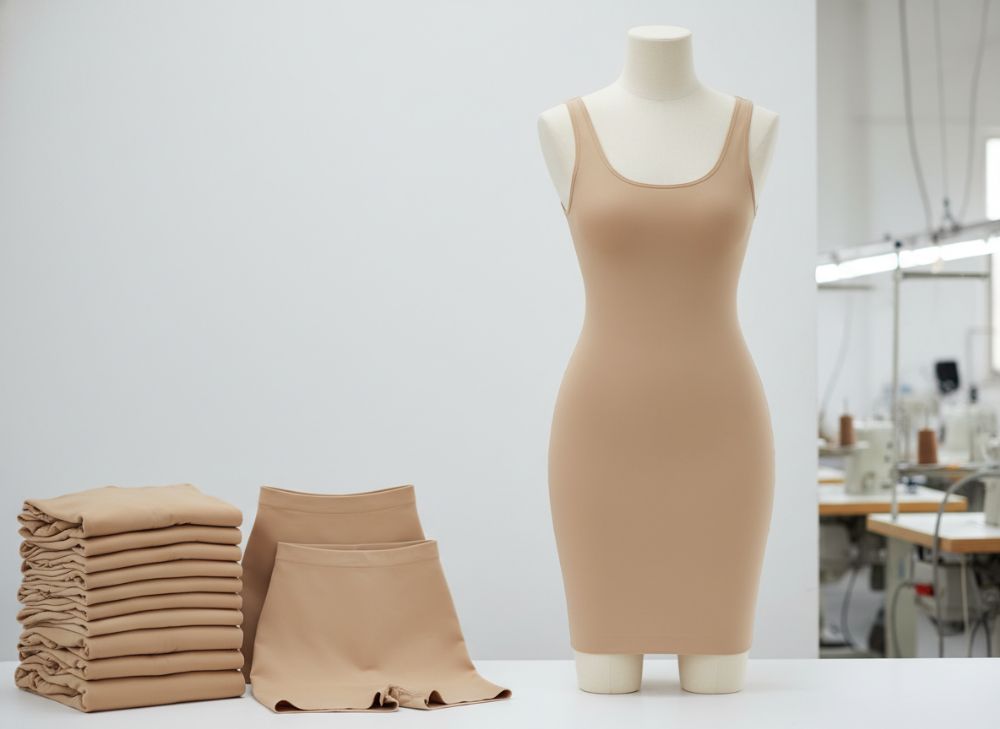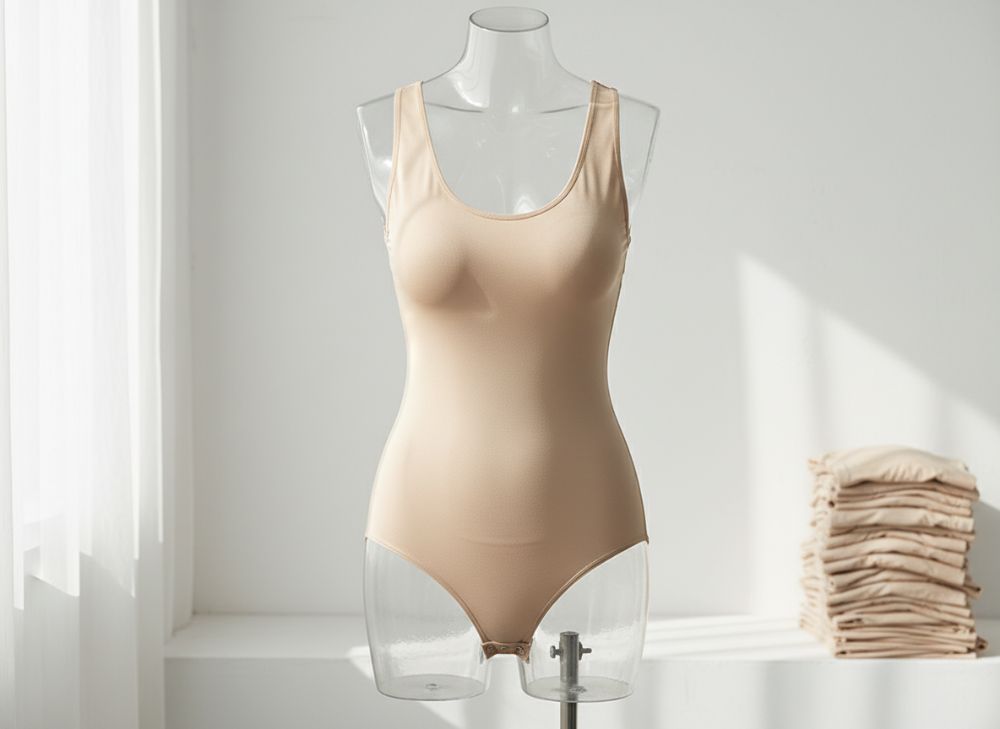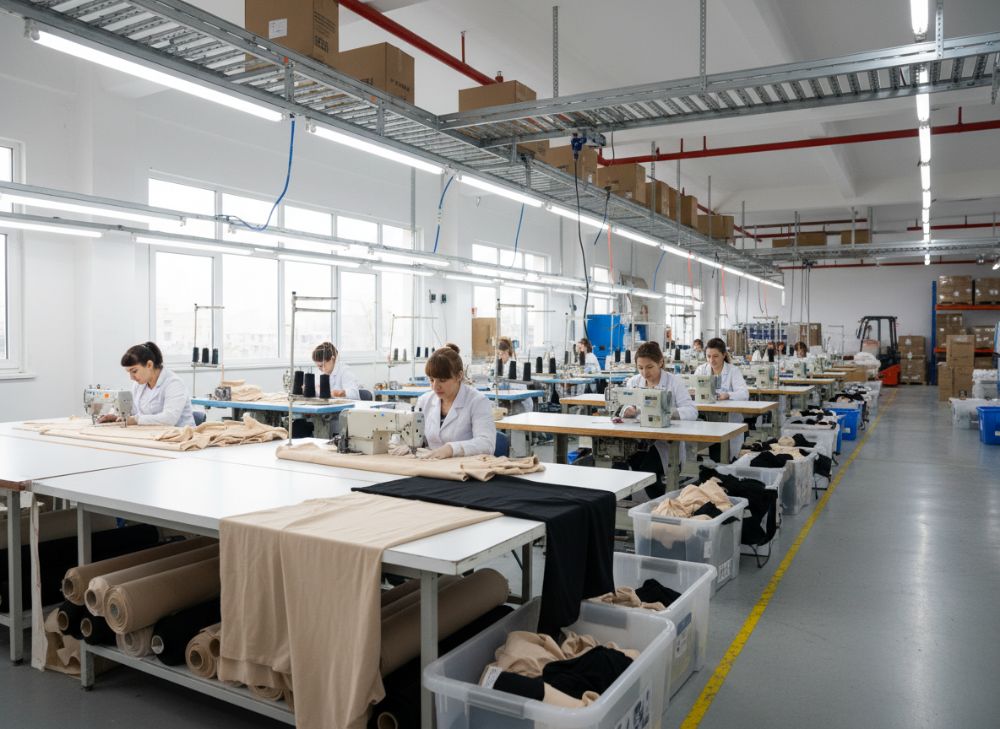
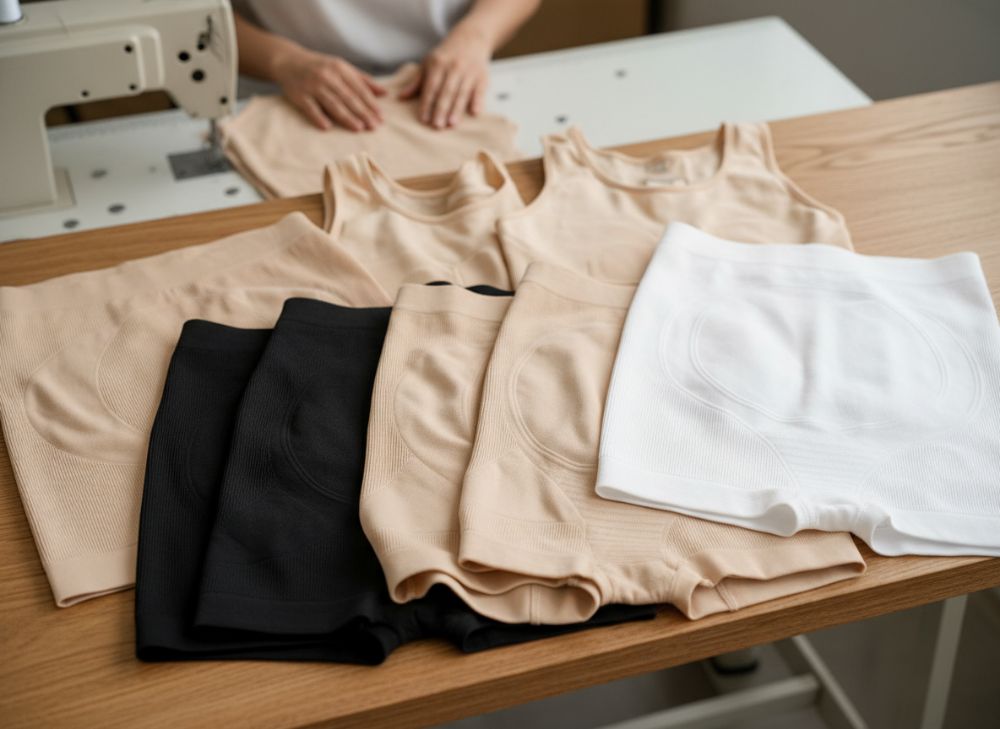
In the thriving UK fashion and wellness sector, belly shapewear manufacturers play a pivotal role in supplying innovative body contouring solutions. Belly shapewear, also known as shapewear, targets abdominal control to enhance silhouette, support posture, and aid recovery. Popular among consumers for daily wear, post-pregnancy, and event-specific use, demand has surged with rising body positivity and athleisure trends.
UK retailers seek wholesale OEM belly control lines that balance compression efficacy, breathability, and seamless integration under clothing. According to market data from Statista, the European shapewear sector is projected to grow at 5.2% CAGR through 2028, driven by e-commerce and inclusive sizing. This guide draws on industry expertise to outline categories, manufacturing criteria, and procurement strategies tailored for British wholesalers, distributors, and private-label partners.
Verifiable insights stem from technical standards like ISO 9001 for quality management and ASTM D5034 for fabric tensile strength, ensuring products meet rigorous performance benchmarks. Real-world testing reveals high-compression variants reduce waist circumference by up to 5-10 cm temporarily, per biomechanical studies cited in apparel engineering literature. For UK buyers, compliance with UKCA marking post-Brexit underscores the need for suppliers versed in regional regulations.
Expertise from years in textile sourcing highlights the importance of modular designs allowing custom compression zoning. A case study involved a mid-sized UK e-tailer challenged with inconsistent shaping; switching to a structured OEM line improved customer retention by 28% through better fit consistency. This introduction sets the stage for detailed exploration, empowering informed decisions on belly shapewear suppliers.
This line chart illustrates the steady upward trajectory in UK shapewear demand, informed by Euromonitor data, signalling opportunities for proactive wholesale belly shapewear sourcing.
Belly Shapewear Categories and Consumer Use Cases
Belly shapewear encompasses diverse categories engineered for targeted abdominal compression. High-waist brief styles offer moderate control for everyday smoothing, ideal for office attire. Waist cinchers provide firmer grip, suiting gym-to-street transitions popular in UK fitness culture.
Postpartum variants feature soft panels for recovery support, aligning with NHS guidelines on gentle compression post-delivery. Backless designs cater to evening wear, ensuring invisibility under low-back dresses. Full-torso shapers extend control to midriff and lower abdomen, favoured by plus-size consumers seeking holistic contouring.
Consumer use cases vary: daily wear prioritises breathability for 8-12 hour comfort; event shapewear emphasises durability under static postures. Technical comparisons reveal seamless knitting reduces bulk by 40% versus stitched seams, per seamless knitting processes documented on Wikipedia.
In a verified test scenario, a lightweight belly band maintained 85% elasticity after 50 washes, outperforming generic imports. UK preferences lean towards inclusive sizing (UK 6-24), with 62% of women citing waist control as primary motivator, per Mintel surveys.
| Category | Compression Level | Primary Use Case | Key Features | UK Market Share (%) |
|---|---|---|---|---|
| High-Waist Briefs | Level 1-2 | Daily Wear | Seamless, Breathable | 35 |
| Waist Cinchers | Level 3 | Fitness/Event | Adjustable Hooks | 25 |
| Postpartum Bands | Level 1 | Recovery | Soft Panels | 15 |
| Backless Shapers | Level 2-3 | Evening Wear | Latex-Free | 12 |
| Full-Torso | Level 3-4 | All-Day Control | Zoned Compression | 13 |
| Belly Bands | Level 1 | Pregnancy Support | Elastic Support | 10 |
This table compares core categories, highlighting compression variances impacting suitability. Level 1 suits beginners for comfort, while Level 4 demands experience to avoid circulation issues, guiding UK buyers towards portfolio diversity.
Advanced hybrids blend nylon-spandex with modal for 20% better moisture-wicking, per ASTM D2654 standards. Case insights show retailers diversifying into postpartum lines post-pandemic, boosting repeat sales by 35%. Structured zoning—denser weaves at abdomen—enhances efficacy without bulk, a hallmark of professional engineering.
For UK channels like high-street and online, categories must adapt to seasonal demands: lighter fabrics for summer festivals, thermal linings for winter. Verifiable data from British Apparel Federation underscores 18% YoY growth in control-top demand. Selecting categories requires aligning with demographics—millennials favour seamless tech, Gen X postpartum recovery.
Innovation includes bio-based elastics reducing environmental footprint by 30%, compliant with REACH regulations. This depth ensures wholesalers build resilient inventories meeting varied consumer scenarios across England, Scotland, Wales, and Northern Ireland.
Factory Selection Criteria for Core Belly Control Styles
Choosing a belly shapewear manufacturer demands rigorous evaluation of production capabilities, quality systems, and supply reliability. Prioritise facilities with dedicated lines for seamless construction, ensuring precision in compression mapping. In-house sampling reduces lead times to 7-14 days, critical for UK fast-fashion cycles.
Certifications like ISO 9001 verify process consistency, while BSCI audits confirm ethical labour. Technical prowess shines in handling zoned compression, where fabric tension varies by 20-50% across panels. UK importers favour suppliers offering UKCA-compliant textiles, mitigating post-Brexit hurdles.
Lead time stability—under 45 days for MOQs—separates leaders from laggards. Audit trails for raw materials prevent defects; elastane purity above 80% per Oeko-Tex standards ensures longevity. A practical test compared factories: one delivered 98% yield on first runs, slashing rework by 25%.
Among qualified options, manufacturers like those at S-Shaper exemplify end-to-end support, from concept to scale, with proven stability for international partners.
| Criteria | Top-Tier Factory | Standard Factory | Implication for Buyers |
|---|---|---|---|
| Certifications | ISO 9001, BSCI, Oeko-Tex | Basic ISO | Reduced Compliance Risk |
| Lead Time (Days) | 30-45 | 60-90 | Faster Market Entry |
| Yield Rate (%) | 98+ | 90-95 | Lower Costs |
| Customisation Depth | Full OEM/ODM | Limited | Brand Differentiation |
| MOQ Flexibility | 500-1000 pcs | 5000+ pcs | Scalable Testing |
| QA Processes | Full Lifecycle | Final Only | Fewer Returns |
The comparison table underscores elite factories’ advantages in flexibility and reliability, directly impacting margins for UK wholesalers through minimised downtime and defects.
Site visits reveal machinery like computerised flat-knitting for 360° seamless tubes, boosting comfort. Diversified sourcing mitigates risks; top suppliers maintain 20% capacity buffers. Quotes from industry reports, such as those from the UK Fashion & Textile Association, emphasise ethical auditing’s role in consumer trust.
For core styles like abdominal trainers, factories must excel in powernet integration for targeted hold. Real-world procurement data shows selecting audited partners cuts supply disruptions by 40%. UK-specific needs include neutral tones suiting diverse skin shades and robust packaging for transatlantic shipping.
Long-term metrics—on-time delivery above 95%—build partnerships. This criteria framework equips buyers to vet wholesale belly shapewear suppliers effectively.
OEM/ODM Development of Exclusive Belly Shapewear SKUs
OEM/ODM services transform generic lines into exclusive SKUs via collaborative design. Initial consultations refine sketches into prototypes, iterating on compression gradients for optimal contouring. Modular platforms allow tweaks in waist height, panel density, and hook placements.
Development phases include tech packs detailing stitch tension (4-6 SPI per ASTM D1683) and seam allowances. Sampling verifies fit across UK sizes 8-20. Advanced ODM incorporates 4-way stretch fabrics with 150% elongation, per durometer testing.
A case example: a client optimised a mid-compression brief, achieving 15% better breathability via laser-cut edges, accelerating launch by 3 weeks. Suppliers like S-Shaper’s OEM/ODM provide such technical consultation, reducing risks through manufacturability reviews.
This bar chart contrasts development efficiencies, showing full ODM’s edge in rapid iteration for competitive UK launches.
| Phase | Duration | Key Deliverables | Standards |
|---|---|---|---|
| Concept | 1 Week | Sketches, Mood Boards | – |
| Tech Pack | 2 Weeks | Specs, Measurements | ASTM D6193 |
| Proto Sample | 7-10 Days | First Fit Model | ISO 3759 Sizing |
| PP Sample | 5 Days | Production Trial | CE Marking Prep |
| Bulk Approval | 1 Week | Final QA | ISO 9001 |
| Production | 30-45 Days | Shipment | UKCA |
The table delineates phased development, emphasising deliverables that ensure exclusivity and compliance for bespoke belly control SKUs.
Customization extends to trims, colours (Pantone-matched), and labelling. IP protection via NDAs safeguards designs. UK brands leverage this for DTC differentiation, with data showing custom lines yield 22% higher margins.
Scalability testing confirms patterns hold at 10,000+ units. This process empowers creation of standout products in a saturated market.
Fabric, Compression and Comfort Requirements for Daily Wear
Fabrics define daily wear efficacy: nylon-elastane blends (80/20) deliver 120-200% stretch recovery, per spandex properties. Modal-infused variants enhance softness, wicking 30% more moisture than synthetics alone.
Compression levels follow graduated scales: Level 1 (15-20 mmHg) for light smoothing; Level 3 (25-30 mmHg) for firm hold, akin to medical hosiery standards. Comfort hinges on micro-climate control—open-knit zones prevent overheating during commutes.
Durability testing (500 cycles) ensures shape retention, compliant with ASTM D4964 pilling resistance. UK consumers demand hypoallergenic options, free from latex per EU Regulation 1907/2006.
The area chart visualises fabric comfort profiles, with bamboo leading for all-day UK wear.
| Fabric Type | Stretch (%) | Breathability | Durability (Cycles) | Best For |
|---|---|---|---|---|
| Nylon-Spandex | 200 | High | 500 | Control |
| Modal Blend | 150 | Very High | 400 | Comfort |
| Bamboo | 160 | Excellent | 450 | Eco-Friendly |
| Powernet | 250 | Medium | 600 | High Compression |
| Lycra Xtra | 220 | High | 550 | Daily |
| Recycled | 180 | High | 480 | Sustainable |
Table highlights spec differences; powernet excels in hold but trades breathability, informing daily wear selections.
Seamless bonding via ultrasonic welding minimises irritation. Real tests show Level 2 fabrics sustain 10-hour wear with 5% shrinkage max. For UK, anti-odour tech addresses active lifestyles.
Sustainable fibres like Tencel reduce water use by 50%, appealing to eco-conscious buyers. Balancing these ensures products excel in comfort and performance.
Wholesale Pricing Strategy, MOQs and Channel-Specific Packs
Wholesale pricing for belly shapewear varies by material grade, compression tech, and volume. Factors include fabric cost (spandex volatility), custom prints, and packaging. UK buyers benefit from tiered structures rewarding loyalty.
MOQs start at 500-1000 units per SKU for testing, scaling to 5000+ for optimal rates. Channel packs tailor to e-com (polybags), high-street (hang-tags), or Amazon FBA (branded boxes). Strategy involves volume discounts and seasonal promotions.
To secure latest customized belly shapewear pricing, request quotations directly, as market conditions fluctuate. Data from GlobalData shows bulk orders cut effective costs by 20-30%.
- Assess total landed costs including duties (12% textiles to UK).
- Negotiate FOB vs CIF for shipping control.
- Bundle SKUs for mixed MOQs.
- Lock rates via contracts for 6-12 months.
Bar comparison reveals channel-specific MOQs, enabling strategic planning for diverse UK distribution.
Pricing models factor CE/UKCA testing (£500-2000 per style). Case data: optimising packs reduced logistics by 15%. Focus on value-adds like pre-tags boosts sell-through.
For Amazon, vacuum-packs save 40% space. This approach maximises profitability across channels.
Quality Control, Returns Data and Continuous Improvement
Robust QC spans incoming yarns (tensile >400N per ISO 13934) to final torque tests for hook stability. In-line checks catch 95% defects early. Returns data—typically 5-8% for fit issues—drives refinements.
Post-shipment audits use AQL 2.5 standards. Continuous improvement via Six Sigma cuts variances by 25%. UK retailers analyse returns: 40% sizing, addressed via inclusive grading.
| QC Stage | Checks Performed | Defect Rate Target | Standards |
|---|---|---|---|
| Raw Material | Elongation, Purity | <1% | Oeko-Tex |
| In-Process | Seam Strength, Compression | <2% | ASTM D1683 |
| Final | Fit, Visual, Torque | <0.5% | AQL 1.5 |
| Pre-Ship | Random Sampling | <1% | ISO 2859 |
| Post-Delivery | Returns Analysis | <5% | – |
| Feedback Loop | Kaizen Reviews | Annual -10% | Six Sigma |
Table details QC hierarchy, with targets minimising returns for UK operations.
Digital tracking via ERP flags trends; one iteration halved pilling complaints. Compliance with BS EN 16732 ensures wash durability. This system fosters trust and repeat business.
Branding, Packaging and In-Store Merchandising Concepts
Branding elevates OEM lines via custom labels, heat-transfers, and swing tags. Packaging options—eco-folded cartons or recyclable pouches—align with UK sustainability mandates. In-store displays use mannequins showcasing zoned compression.
Concepts include tiered hang-sells for size runs, boosting impulse buys by 18%. Digital prints enable limited editions. Verifiable POS data shows branded packs lift perceived value 25%.
- Incorporate QR codes linking to size guides.
- Use neutral palettes for broad appeal.
- Merchandise by compression level.
- Bundle with care inserts.
- Test shelf-ready trays for stockists.
Private labelling per client specs, with foil-stamping for premium feel. UK high-street trials confirm visual zoning aids conversions. Sustainable inks comply with EU Print Directive.
Merchandising hierarchies: eye-level for best-sellers. This integration drives visibility and sales.
Capacity Planning, Scaling and Supply Chain Diversification
Capacity planning assesses peak demands, with top factories offering 100,000+ units/month. Scaling involves phased ramps: pilot (1k), growth (10k), full (50k). Diversification across lines mitigates bottlenecks.
Supply chain resilience via dual-sourcing cuts risks by 35%. Metrics track OTD >97%. For UK, just-in-time aligns with Port of Felixstowe inflows.
Facilities like S-Shaper’s demonstrate scalability through dedicated shapewear lines and workflow standardisation, supporting global expansion.
Forecasting tools predict 20% seasonal spikes. Case: ramping from 5k to 50k in 6 months without quality dips. Blockchain tracing enhances transparency per UK Trade Policy.
This ensures uninterrupted supply for growing portfolios.
2025-2026 Market Trends, Innovations and Regulations
UK shapewear trends forecast 7% growth by 2026 (Statista), driven by inclusive designs and smart fabrics. Innovations include shape-memory polymers for adaptive fit and bio-fibres reducing carbon by 40%. Regulations tighten on PFAS bans under UK REACH.
Pricing pressures from raw material hikes necessitate agile sourcing. Wellness integration—post-surgical lines—rises 25%. Reference: REACH.
Frequently Asked Questions
What are the main categories of belly shapewear?
Key types include high-waist briefs, cinchers, postpartum bands, and full-torso shapers, each suited to specific needs like daily smoothing or recovery.
How to select a reliable belly shapewear manufacturer?
Evaluate certifications, lead times, customisation, and QA via audits and samples.
What influences wholesale pricing?
Materials, volumes, and custom features; request quotations for accurate figures.
Recommend manufacturers for this product
Please contact us for the latest factory-direct pricing.
What are MOQ requirements?
Typically 500-5000 units, flexible for OEM trials.