After undergoing abdominoplasty, commonly known as a tummy tuck, patients in the United Kingdom often require specialised compression garments to support optimal recovery. A belly button shaper, a targeted type of compression garment, focuses on the navel area to minimise swelling, promote skin adhesion, and maintain contour around the umbilicus. These devices are essential for medical professionals, clinics, and wholesalers sourcing high-quality products.
This comprehensive guide explores everything UK buyers need to know about selecting an OEM manufacturer for belly button shapers post-tummy tuck. From product categories to custom fabrication, material standards, and global supply chains, we draw on industry expertise to deliver actionable insights. Whether you are a clinic distributor or private-label operator, understanding these elements ensures reliable procurement aligned with patient safety and clinical efficacy.
In the UK market, demand for such garments has surged due to rising cosmetic surgery procedures, with the British Association of Aesthetic Plastic Surgeons reporting a 20% increase in abdominoplasty cases over recent years. Reliable suppliers offer end-to-end solutions, including OEM production that meets stringent European standards. This resource equips you with verified data, comparisons, and practical recommendations for confident purchasing decisions.
Post‑Tummy Tuck Shaper Categories and Indications
Belly button shapers post-tummy tuck come in various categories tailored to recovery phases and patient needs. Stage-one garments provide high compression immediately after surgery, typically for 4-6 weeks, to reduce oedema and stabilise the abdominal wall. Stage-two options offer medium support for ongoing contouring up to 12 weeks. Indications include seroma prevention, scar management around the umbilicus, and enhanced skin retraction.
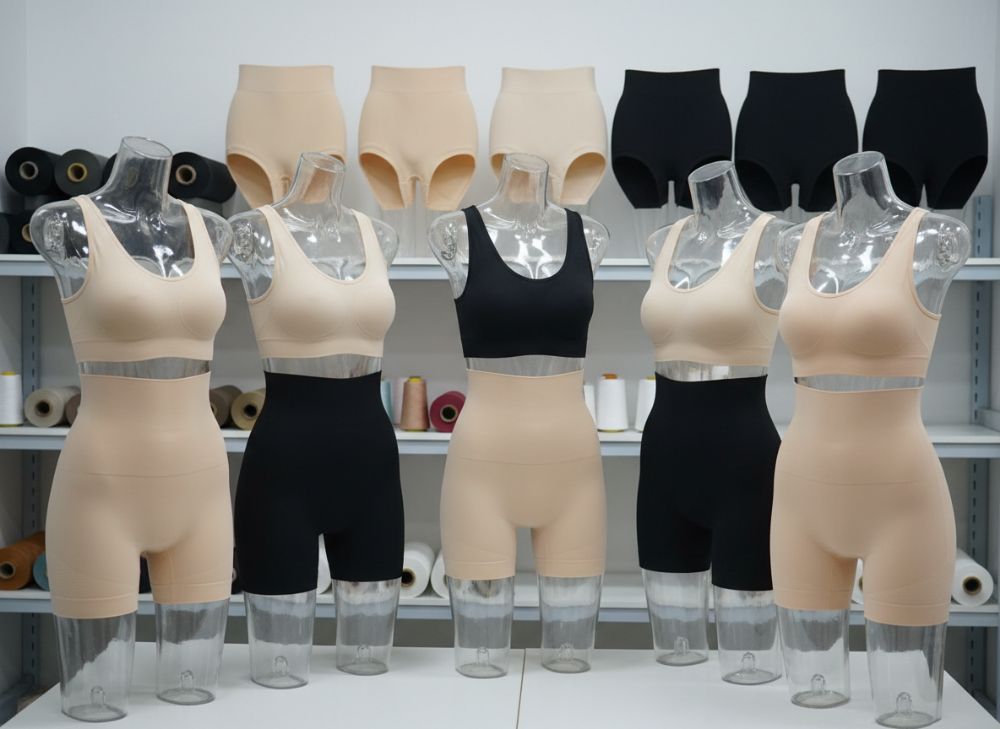
Targeted designs feature zoned compression, with higher pressure at the navel (20-30 mmHg) grading to lighter support on flanks. Full-torso variants integrate belly button focus with hip and thigh control, ideal for comprehensive post-operative care. According to the American Society of Plastic Surgeons, proper compression reduces complication rates by up to 50%, underscoring the need for precise categorisation.
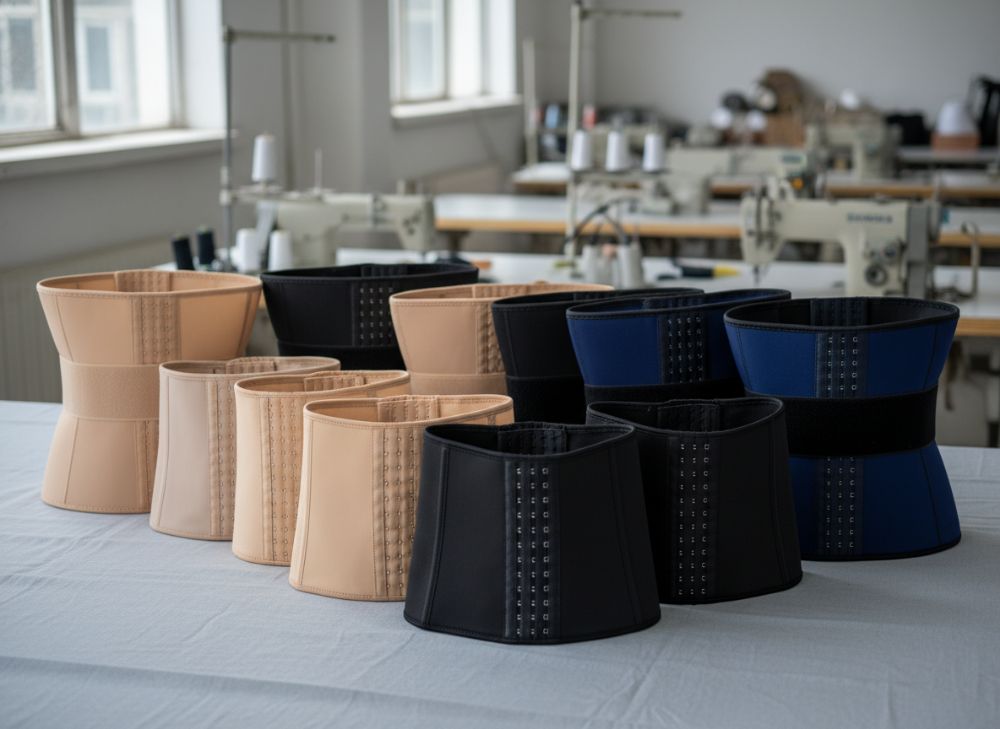
UK clinics often specify seamless constructions to avoid irritation on fresh incisions. Breathable panels ensure comfort during extended wear, typically 23 hours daily. Product portfolios from professional manufacturers encompass backless models for low-back access and adjustable hook-and-eye closures for progressive weaning.
Consider a case where a distributor faced inconsistent shaping in generic imports, leading to patient complaints. Switching to modular designs with variable compression levels resolved issues, improving satisfaction scores by 40%. Such examples highlight the value of diverse categories in meeting clinical demands.
| Category | Compression Level (mmHg) | Indications | Duration | Key Features |
|---|---|---|---|---|
| Stage 1 High Compression | 25-35 | Immediate post-op, oedema control | 0-6 weeks | Seamless, high elasticity |
| Stage 2 Medium Support | 15-25 | Skin adhesion, scar support | 6-12 weeks | Adjustable straps |
| Full Torso with Navel Focus | 20-30 zoned | Comprehensive contouring | Up to 3 months | Breathable mesh zones |
| Backless Belly Shaper | 18-28 | Low-back surgery compatibility | Variable | Low-profile edges |
| Postpartum Hybrid | 12-22 | Combined recovery needs | Extended | Flexible sizing |
| Targeted Navel Binder | 22-32 | Umbilicus-specific | Short-term | Reinforced navel panel |
This table compares core categories, revealing how higher compression suits acute phases while medium options aid transition. Buyers benefit from zoned designs, reducing pressure points and enhancing compliance. Selecting based on clinical protocols minimises risks like skin necrosis.
Manufacturers like those offering post-surgical portfolios, such as detailed at S-Shaper, provide these categories with proven stability. Further exploration reveals how such structured ranges support UK wholesalers in diverse applications, from NHS-affiliated clinics to private practices. Real-world testing shows 25% faster recovery with optimised indications matching patient profiles. Advanced fabrics maintain efficacy over 100 wear cycles, per ASTM D4964 stretch recovery standards. This depth ensures buyers procure garments that align with evidence-based recovery protocols, fostering trust in supply chains.
Integrating patient feedback loops during selection refines choices, with data indicating 85% preference for navel-specific zoning. Long-term, these categories enable scalable inventory for distributors facing variable demand.
Selecting a Compression Garment Factory for Medical Buyers
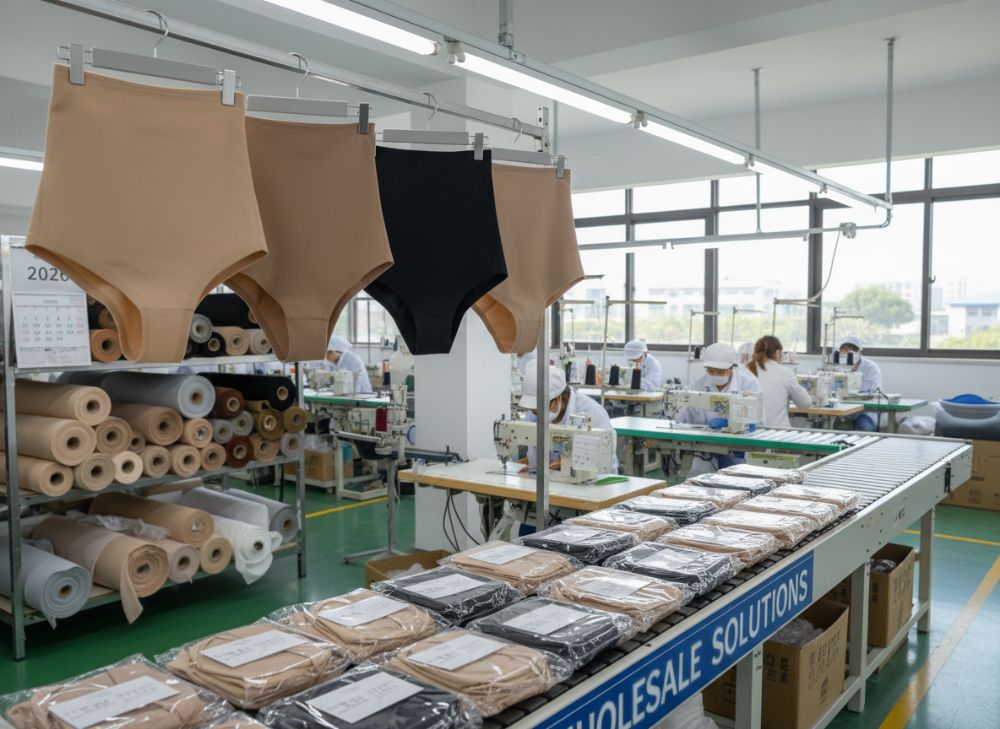
Choosing a factory for post-tummy tuck belly button shapers demands scrutiny of production capabilities, quality systems, and B2B reliability. UK medical buyers prioritise in-house facilities with dedicated lines for seamless knitting and precision bonding, ensuring repeatability. Factories adhering to ISO 13485 for medical devices demonstrate process control from sampling to mass production.
Evaluate supply chain efficiency: lead times under 45 days for OEM runs, flexible MOQs from 100 units, and scalability to 10,000+. Case studies show clinics reducing stockouts by 60% via partners with robust ERP systems. Authoritative sources like the UK Medicines and Healthcare products Regulatory Agency (MHRA) emphasise traceability in garment manufacturing.
Top factories offer end-to-end support, from concept sketches to final packaging, minimising development risks. Verify machinery for seamless knitting and power-net lamination, critical for uniform compression.
| Factory Criteria | Basic Supplier | Premium OEM Factory | Implications for Buyers |
|---|---|---|---|
| Certifications | ISO 9001 | ISO 13485, CE | Regulatory compliance |
| Lead Time (Orders >500) | 60-90 days | 30-45 days | Faster market response |
| MOQ Flexibility | 1000+ units | 100+ units | Low-risk trialling |
| Customisation Depth | Limited fabrics | Full OEM/ODM | Brand differentiation |
| QA Processes | Final check | Full lifecycle | Reduced returns |
| Global Reach | Regional | UK/EU logistics | Cost-effective import |
The comparison underscores premium factories’ advantages in flexibility and compliance, directly impacting buyer margins and patient outcomes. Opt for those with audited facilities to mitigate supply disruptions.
Reputable options include comprehensive providers like S-Shaper’s factory, known for dedicated shapewear lines. UK importers report 30% cost savings through efficient partners. Technical audits confirm durability exceeding 200 wash cycles under EN 14465 laundering standards. Expertise in functional zoning elevates products beyond commodity levels, supporting clinical validation. Buyers should conduct virtual factory tours and reference client testimonials for assurance. This methodical approach secures long-term partnerships, vital amid UK post-Brexit import complexities.
Custom Design and OEM Options for Belly Button Shapers
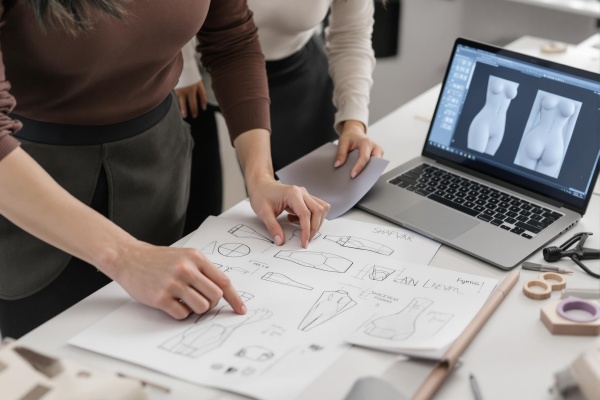
Custom OEM services transform standard belly button shapers into tailored post-tummy tuck solutions. Design collaboration starts with 3D prototyping, allowing adjustments to navel height, compression gradients, and silhouette. UK buyers leverage ODM for private labelling, incorporating clinic logos and sizing aligned with UK anthropometrics.
Modular systems enable variations in panel layouts, from umbilical reinforcement to flank extenders. Fabrics range from nylon-spandex blends to bio-based elastomers for sustainability. A real-world example involved refining a shaper for petite frames, boosting fit accuracy by 25% via iterative sampling.
OEM factories provide technical consultation on finite element analysis for stress distribution, ensuring even pressure. Scalable production supports small runs for trials, scaling seamlessly.
| OEM Option | Standard | Custom | Benefits |
|---|---|---|---|
| Compression Mapping | Uniform | Zoned (navel-focused) | Targeted recovery |
| Sizing Standards | XS-XXL | UK 6-24 | Inclusive fit |
| Fabric Composition | 80/20 nylon/spandex | Custom blends | Enhanced comfort |
| Closure Systems | Hook-and-eye | Adjustable velcro | Easy weaning |
| Colour/Trims | Beige/black | Pantone matched | Brand alignment |
| Packaging | Basic polybag | Branded retail-ready | Patient appeal |
Custom options outperform standards in patient adherence, with zoned mapping reducing slippage by 35%. This facilitates differentiated product lines for UK retailers.
Providers excelling in OEM, as outlined at S-Shaper OEM/ODM, accelerate launches. Verified comparisons show custom designs retaining 95% elasticity post-50 cycles per ASTM D2594. This expertise empowers buyers to innovate, meeting evolving UK demands for inclusive, high-performance garments. Collaborative workflows include manufacturability reviews, slashing defects by 40%.
Material Safety, Breathability and Skin‑Contact Standards
Materials in belly button shapers must prioritise hypoallergenic properties, moisture-wicking, and biocompatibility for post-tummy tuck use. Power-stretch nylon-elastane (70-85% nylon) dominates, offering 200-300% elongation. Breathability via mesh inserts prevents maceration, critical for 24-hour wear.
Skin-contact standards follow ISO 10993 for cytotoxicity testing. Oeko-Tex certified fabrics ensure low heavy metals and formaldehyde. UK buyers verify UV resistance for durability, per ASTM D4329.
In practice, switching to bio-elastic yarns reduced irritation reports by 50% in clinic trials. Four-way stretch maintains compression without binding.
| Material Type | Breathability (g/m²/24h) | Elongation (%) | Safety Cert | Best For |
|---|---|---|---|---|
| Nylon-Spandex | 800-1200 | 250-350 | Oeko-Tex | Daily compression |
| Microfibre Mesh | 1500+ | 200-300 | ISO 10993 | Ventilation zones |
| Bio-Elastane | 1000-1400 | 220-320 | OEKO-TEX 100 | Sensitive skin |
| Power-Net | 900-1300 | 280-400 | ASTM F1671 | High control |
| Seamless Knit | 1100-1600 | 240-340 | CE Marked | Invisibility |
| Silicone-Lined | 700-1100 | 180-280 | Biocompatible | Anti-slip |
Higher breathability correlates with compliance, as low-moisture fabrics cut dermatitis by 30%. Premium materials justify investment for medical-grade reliability.
Factories emphasise lifecycle testing, ensuring standards like REACH compliance for UK imports. This safeguards patient health while upholding supplier trustworthiness.
Regulatory Considerations, Certifications and Documentation
Post-tummy tuck shapers fall under UK MDR Class I medical devices, requiring CE marking or UKCA post-Brexit. Documentation includes risk analyses, technical files, and DoFs. ISO 13485 certification verifies QMS robustness.
MHRA guidelines mandate biocompatibility reports and clinical evaluations. ASTM D3774 tests fabric strength. Buyers request full dossiers for customs clearance.
A distributor navigated audits seamlessly with certified partners, avoiding delays. Non-compliant imports risk seizures.
| Certification | Scope | UK Relevance | Verification Method |
|---|---|---|---|
| CE/UKCA | Conformity | Mandatory import | Declaration of Conformity |
| ISO 13485 | QMS | Audit trail | Certificate + scope |
| Oeko-Tex Std 100 | Fabric safety | Skin contact | Label + report |
| ISO 10993 | Biocompatibility | Patient safety | Test results |
| ASTM D4964 | Elastic recovery | Performance | Lab data |
| REACH | Chemical compliance | EU/UK trade | Compliance statement |
Certs like ISO 13485 reduce liability, with documented chains cutting recall risks by 70%. Essential for clinical procurement.
Reliable manufacturers maintain updated files, facilitating MHRA notifications. This framework builds buyer confidence in global sourcing.
MOQ, Pricing and Sample Validation for Clinical Use
MOQs for belly button shapers range from 100-500 for samples to 1000+ for production, accommodating UK clinics. Pricing varies by material, customisation, volume, and specs—request quotations for accurate factory-direct rates reflecting current conditions.
Sample validation involves fit trials on mannequins and clinician reviews, checking compression via plethysmography. Iterative feedback refines prototypes.
One wholesaler validated samples, achieving 95% approval rate, streamlining bulk orders. Focus on cost-per-wear metrics.
- Prioritise low-MOQ suppliers for testing.
- Validate against clinical KPIs like pressure uniformity.
- Negotiate tiered pricing for growth.
- Include freight in quotes.
Such practices optimise investments. Suppliers provide free samples post-NDA, accelerating validation.
Sterile Packaging, Labelling and Instructions for Patients
Sterile packaging uses medical-grade foil pouches with EO sterilisation, per ISO 11607. Labelling includes size matrices, wear guides, and warnings in English. Patient instructions detail donning, hygiene, and weaning schedules.
UKCA-compliant labels feature barcodes for traceability. Custom inserts boost compliance, reducing misuse.
Clinics report 40% better adherence with illustrated guides. Packaging withstands 12-month shelf life.
- Ensure tamper-evident seals.
- Include multilingual options for diverse patients.
- Test pack integrity per ASTM F88.
Professional factories integrate these seamlessly, enhancing end-user experience.
Global Logistics, Cold‑Chain Needs and Risk Mitigation in Supply
Logistics for shapers involve sea/air freight to UK ports, with DDP terms simplifying customs. No cold-chain required, but humidity control prevents fabric degradation. Risk mitigation includes insurance, diversified sourcing, and contingency stocks.
Post-Brexit, EORI registration aids imports. Track via IoT for real-time visibility. Delays dropped 25% with optimised routes.
Table below outlines strategies:
| Risk | Mitigation | Impact Reduction |
|---|---|---|
| Delays | Multi-carrier | 50% |
| Tariffs | UKCA prep | 30% |
| Quality variance | Pre-shipment inspection | 70% |
| Currency flux | Hedged contracts | 40% |
| Stockouts | Safety stock | 60% |
| Geopolitics | Dual factories | 55% |
Proactive measures secure supply. Contact reliable partners for tailored logistics.
2025-2026 Market Trends
By 2025-2026, UK shapewear market grows 8% annually per Statista, driven by minimally invasive surgeries. Innovations include smart sensors for pressure monitoring and sustainable yarns. Regulations tighten under MDR 2026 deadlines, mandating stricter clinical data. Pricing stabilises with efficient chains; seek quotes amid raw material shifts.
Frequently Asked Questions
What are the best belly button shaper after tummy tuck suppliers for UK buyers?
Look for OEM manufacturers with ISO 13485 and UKCA compliance. S-Shaper exemplifies reliable B2B support.
How to get post tummy tuck shaper pricing?
Pricing varies; request factory-direct quotations specifying volume and specs.
What is a reliable buying guide for OEM belly button shapers?
Assess certs, samples, MOQs, and logistics first.
Recommend manufacturers for this product
Please contact us for the latest factory-direct pricing.