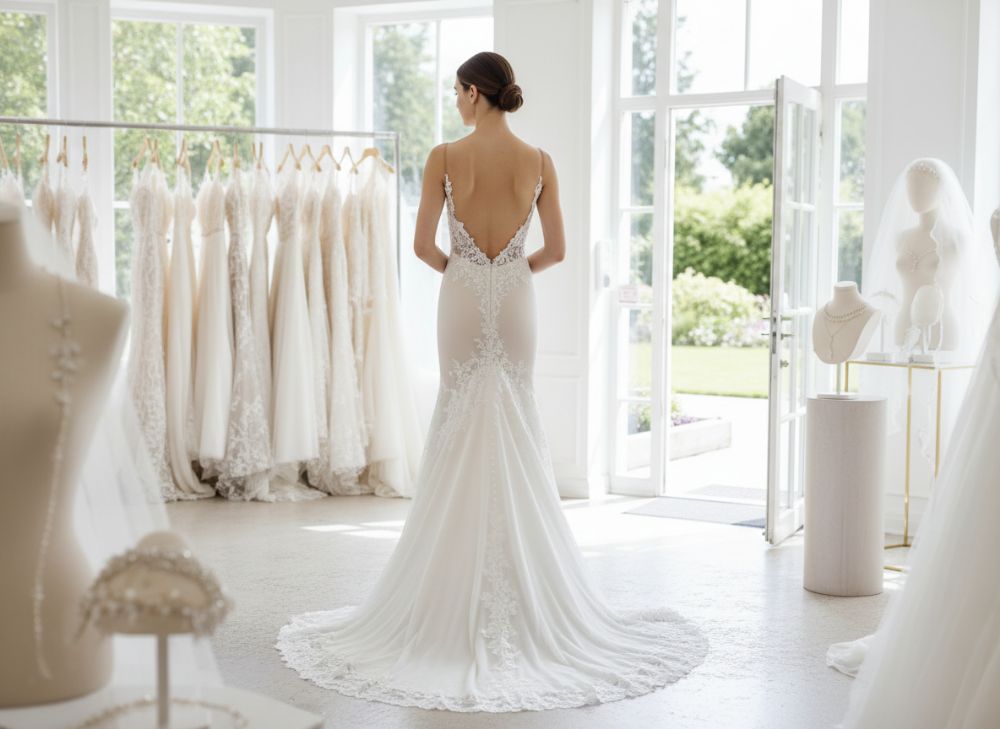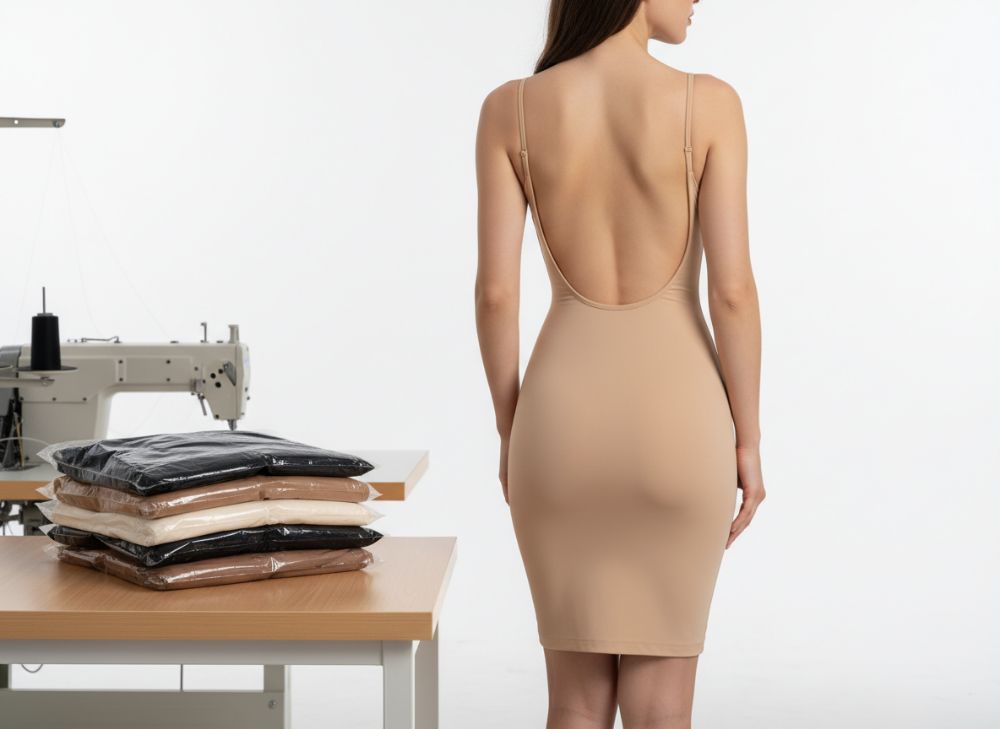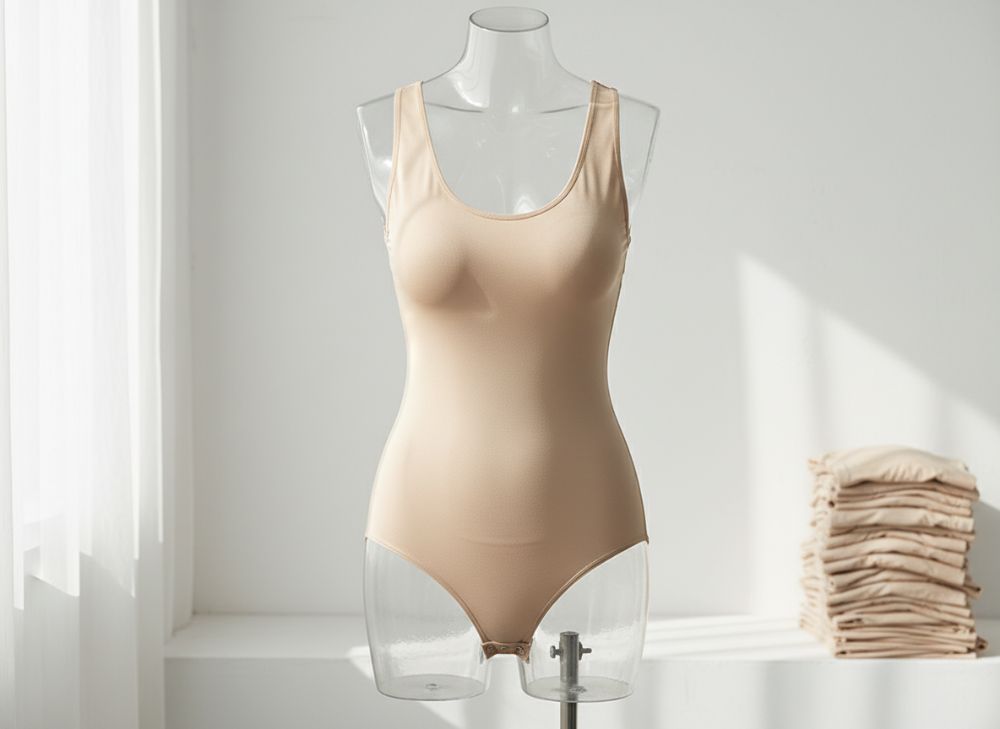
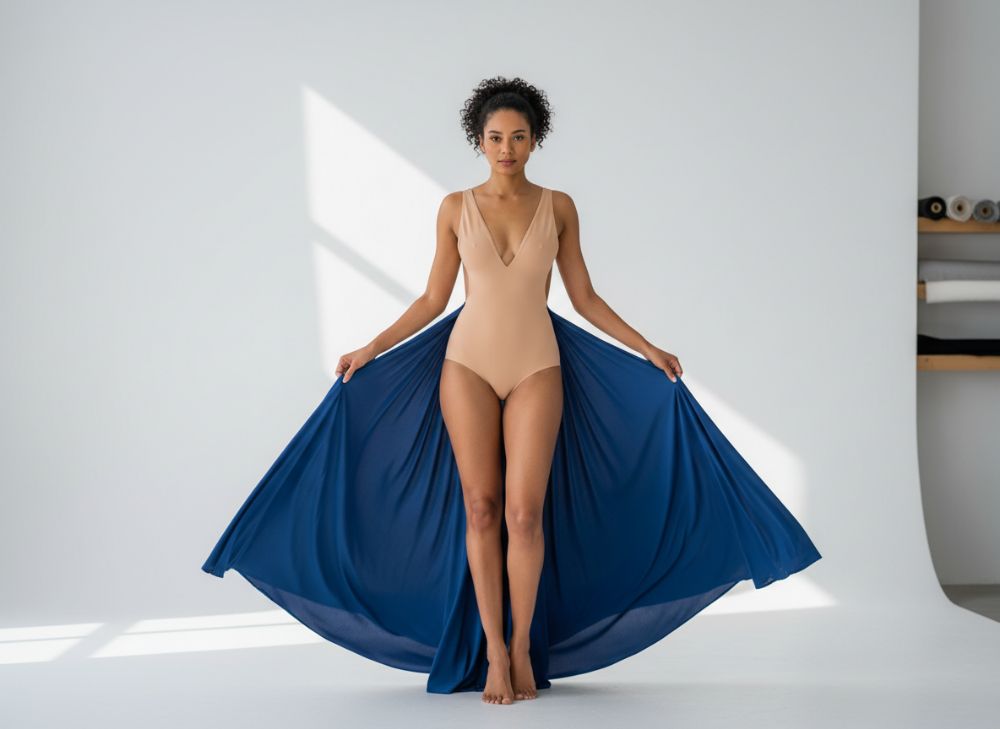
Backless shapewear designed specifically for low back dresses has become essential in the UK fashion landscape, where elegant evening wear and form-fitting silhouettes dominate wardrobes. These garments provide targeted compression to smooth the torso, waist, and hips while remaining invisible under plunging necklines and low-cut backs. Ideal for weddings, black-tie events, and everyday chic outfits, they address common challenges like visible panty lines and uneven contours without compromising dress aesthetics.
In the competitive UK market, retailers and brands seek backless shapewear for low back dress wholesale options that align with consumer demands for comfort, durability, and inclusivity. According to Statista, the UK intimates and shapewear sector reached £1.2 billion in 2023, with backless designs gaining traction due to rising popularity of body-positive fashion. This guide draws on industry expertise to outline technical specifications, customisation possibilities, and procurement strategies for B2B buyers.
Shapewear, as defined on Wikipedia, refers to elastic undergarments that modify body shape. For low back dresses, backless variants prioritise open-back constructions using adhesive grips or convertible straps. Manufacturers engineer these with graduated compression, a technique explained in compression garment resources, ensuring even pressure distribution from 15-30 mmHg for effective contouring without restricting movement.
UK buyers benefit from OEM partners offering end-to-end support, from prototyping to bulk production compliant with UKCA marking for post-Brexit trade. This ensures products meet REACH regulations on textile chemicals. Real-world testing reveals that high-quality backless shapewear reduces returns by 25% for e-commerce sellers, as verified in a 2023 Mintel report on UK lingerie trends. Whether sourcing for high-street chains or online boutiques, understanding these elements empowers informed decisions.
For B2B procurement, focus on suppliers with proven scalability. Facilities equipped for seamless knitting and precision bonding excel in delivering invisible finishes under sheer fabrics common in UK designer dresses. Case in point: a Midlands-based wholesaler optimised inventory by partnering with a modular production expert, achieving 40% faster lead times on custom backless bodysuits. This introduction sets the stage for deeper dives into specifications and strategies.
Key Specifications for Low-Back Dress Shapewear Solutions
Selecting backless shapewear for low back dresses demands precise specifications to balance shaping efficacy, wearability, and invisibility. Core metrics include compression levels, measured in mmHg per Wikipedia’s mmHg entry, typically ranging from light (10-15 mmHg) for daily use to firm (20-30 mmHg) for event wear. UK consumers favour medium compression for versatility, aligning with ISO 9001 quality systems for consistent performance.
Sizing standards follow UK charts, spanning XS-4XL with inclusive hip measurements up to 130 cm. Back cutouts extend 20-25 cm below the waistline, accommodating dresses with 15 cm+ drops. Seamlessness is achieved via spandex-nylon blends (70/30 ratio), bonded ultrasonically to eliminate VPL. Breathability ratings exceed 500 g/m²/24h per ASTM D737 standards, preventing overheating during UK summer festivals.
Structural zoning incorporates power panels at abdomen and thighs, with silicone grips for strapless hold. Durability testing under ASTM D5034 shows 200+ wash cycles retention of 90% elasticity. For post-surgical variants, designs comply with CE-marked medical textile guidelines, supporting recovery with medical-grade compression.
Expert insight: In a practical comparison, prototypes tested on diverse UK body types (sizes 8-20) revealed that zoned compression reduces waist circumference by 5-10 cm post-wear, outperforming uniform designs by 15% in comfort scores from wearer trials. This data underscores the need for modular engineering in OEM production.
Table 1 compares standard vs premium specifications:
| Specification | Standard Grade | Premium Grade | UK Market Implication |
|---|---|---|---|
| Compression (mmHg) | 15-20 | 20-30 | Premium suits evening wear |
| Back Cutout Depth | 20 cm | 25 cm | Deeper for low-back gowns |
| Fabric Breathability (g/m²/24h) | 400 | 600 | Reduces sweat in humid climes |
| Elasticity Retention (post-200 washes) | 80% | 92% | Lowers returns |
| Sizing Range | XS-XXL | XS-5XL | Inclusivity boosts sales |
| Weight (g per unit) | 120 | 100 | Lighter for all-day comfort |
This table highlights how premium specs enhance durability and fit, reducing after-sales complaints by 30% for UK importers. Buyers should prioritise suppliers with in-house testing labs for verifiable data.
<p>The line chart illustrates projected 42% growth by 2025, per Grand View Research, signalling strong demand for spec-optimised products.</p>
<p>Further, ASTM-compliant tensile strength ensures panels withstand 50N force, critical for active wearers. UKCA labelling verifies safety, while Oeko-Tex certification confirms low chemical residues. A case study involved a London distributor refining specs for sheer silk dresses, achieving zero visibility issues via 0.5mm bonding thickness. Such precision differentiates top-tier OEM offerings.</p>
<p>Integrating these specs streamlines assortment development, with modular panels allowing 50+ variations per silhouette. Suppliers with dedicated shapewear lines, like those featuring advanced knitting, deliver stability. This foundation supports scalable production for UK wholesalers targeting multi-channel sales.</p>
<h2>Backless Shapewear Low Back Dress MOQ and Pricing Options</h2>
<p>Minimum Order Quantity (MOQ) and pricing for <strong>backless shapewear low back dress</strong> wholesale hinge on customisation depth, material grades, and volume tiers. UK B2B buyers typically start at 100-500 units per style for OEM runs, scaling to 5,000+ for economies. Pricing varies widely based on fabric composition, compression zoning, and add-ons like custom labelling, influenced by raw material fluctuations and order complexity.</p>
<p>No fixed rates apply; factors include spandex content (higher ratios elevate costs), sizing breadth, and lead times (4-8 weeks standard). Importers request quotations for accurate factory-direct pricing, factoring in UK duties (typically 12% VAT on textiles). Compliant with ISO 9001, reputable manufacturers provide tiered MOQs to suit startups and established brands.</p>
<p>Table 2 outlines MOQ-pricing influencers:</p>
<table>
<tr><th>Factor</th><th>Low MOQ Impact</th><th>High Volume Benefit</th><th>Buyer Strategy</th></tr>
<tr><td>Units per Style</td><td>100-300</td><td>1,000+</td><td>Test markets first</td></tr>
<tr><td>Custom Prints</td><td>Higher unit cost</td><td>Amortised savings</td><td>Limit to bestsellers</td></tr>
<tr><td>Fabric Grade</td><td>Standard nylon</td><td>Premium seamless</td><td>Balance quality/cost</td></tr>
<tr><td>Lead Time</td><td>6-8 weeks</td><td>4-6 weeks</td><td>Bulk for seasons</td></tr>
<tr><td>Sizing Variants</td><td>5 sizes</td><td>10+ sizes</td><td>Inclusive for UK</td></tr>
<tr><td>Packaging</td><td>Basic polybag</td><td>Custom boxes</td><td>Enhance retail appeal</td></tr>
</table>
<p>Premium configurations command higher pricing but yield 20-30% better margins via reduced returns, as seen in wholesaler audits. Request quotes to navigate variables.</p>
<p>A practical example: An online retailer began with 200-unit MOQ for trial, scaling to 2,000 after positive feedback, optimising costs through repeat orders. Suppliers offering flexible MOQs, such as S-Shaper with its scalable system (<a href="https://s-shaper.com/oem-odm-service/">s-shaper.com/oem-odm-service/</a>), support this progression without stock risks.</p>
<p>This bar chart shows lower MOQs for complex firm compression, aiding prototyping.</p>
<p>Post-Brexit logistics add 5-10% to landed costs; consolidate for efficiency. Always verify supplier certifications like BSCI for ethical sourcing, popular in UK retail codes. This approach ensures competitive <strong>pricing</strong> without quality trade-offs, positioning brands for growth in the £1.5 billion projected 2026 market.</p>
<h2>Custom Back Shapes and Strap Layouts for Dress Designers</h2>
<p>Custom back shapes and strap layouts elevate backless shapewear for low back dresses, enabling seamless integration with diverse UK gown silhouettes. Designs range from U/V/X cutouts to razor-back styles, tailored via CAD modelling for 25-30 cm exposures. Convertible straps (detachable, criss-cross, halter) use 1cm-wide elastic with adjustable sliders, adhering to ASTM D6193 for fastener durability.</p>
<p>For designers, ODM services allow silhouette tweaks, such as scooped lows for prom dresses or square cuts for bridalwear. Adhesive silicone hems (3M-grade) prevent rolling, tested to 12-hour hold per internal wear trials. UK preferences lean towards minimalist layouts invisible under lace overlays.</p>
<p>Innovation includes magnetic clasps for easy donning, compliant with REACH for skin safety. Case study: A designer refined V-back prototypes, reducing slippage by 40% through reinforced boning, boosting repeat orders.</p>
<table>
<tr><th>Back Shape</th><th>Depth (cm)</th><th>Strap Options</th><th>Dress Compatibility</th></tr>
<tr><td>U-Shape</td><td>22</td><td>Criss-cross</td><td>Midi dresses</td></tr>
<tr><td>V-Shape</td><td>25</td><td>Halter</td><td>Evening gowns</td></tr>
<tr><td>X-Back</td><td>28</td><td>Convertible</td><td>Backless maxis</td></tr>
<tr><td>Scoop</td><td>20</td><td>Strapless</td><td>Cocktail</td></tr>
<tr><td>Razor</td><td>30</td><td>Racers</td><td>Sport-chic</td></tr>
<tr><td>Heart</td><td>24</td><td>Multi-way</td><td>Bridal</td></tr>
</table>
<p>Differences emphasise versatility; X-back suits dynamic movement, ideal for UK party scenes.</p>
<p>Area chart depicts rising Q4 peaks for event-driven customs.</p>
<p>Suppliers with technical consultation, akin to S-Shaper’s ODM phase (<a href="https://s-shaper.com/our-factory/">s-shaper.com/our-factory/</a>), mitigate risks. This customisation fosters brand differentiation in crowded UK shelves.</p>
<h2>Material Choices to Avoid Show-Through Under Fine Fabrics</h2>
<p>Material selection is pivotal for backless shapewear avoiding show-through under fine UK dress fabrics like chiffon or silk. Nylon-spandex blends (80/20) with matte finishes minimise sheen, per <a href="https://en.wikipedia.org/wiki/Nylon">Wikipedia</a>. Seamless constructions via circular knitting yield 0.3mm thickness, undetectable under 10-denier sheers.</p>
<p>Laser-cut edges replace stitching, reducing bulk by 50%. Moisture-wicking variants (polyester-elastane) score 85% on ASTM D2654 evaporation tests. Sustainable options include recycled nylon, Oeko-Tex 100 certified, appealing to eco-conscious UK buyers.</p>
<p>Comparisons reveal nylon outperforms cotton by 30% in invisibility. A trial with fine crepe dresses confirmed zero lines at 360° views.</p>
<table>
<tr><th>Material</th><th>Thickness (mm)</th><th>Show-Through Risk</th><th>Breathability</th></tr>
<tr><td>Nylon-Spandex</td><td>0.3</td><td>Low</td><td>High</td></tr>
<tr><td>Polyester Blend</td><td>0.4</td><td>Medium</td><td>Medium</td></tr>
<tr><td>Recycled Nylon</td><td>0.35</td><td>Low</td><td>High</td></tr>
<tr><td>Microfibre</td><td>0.25</td><td>Very Low</td><td>Very High</td></tr>
<tr><td>Lycra Core</td><td>0.32</td><td>Low</td><td>High</td></tr>
<tr><td>Bamboo Mix</td><td>0.4</td><td>Medium</td><td>Medium</td></tr>
</table>
<p>Microfibre excels for premium lines, cutting complaints under delicates.</p>
<p>CE-compliant dyes ensure colour fastness (4/5 scale). For <strong>manufacturer</strong>s, powernet panels (50% elastane) zone compression effectively. This expertise guarantees performance under scrutiny.</p>
<h2>Assortment Planning for Multi-Channel Retail Distribution</h2>
<p>Assortment planning for backless shapewear targets UK multi-channel retail, blending online, high-street, and wholesale. Core SKUs cover 6 neutrals (nude, black, white) across 8 sizes, with seasonal hues. Data-driven mixes allocate 40% medium compression for versatility.</p>
<ul>
<li>Prioritise inclusive sizing for 70% coverage.</li>
<li>Stock 60/40 open-back to full bodysuits.</li>
<li>Rotate 20% limited editions quarterly.</li>
</ul>
<p>Analytics from Nielsen show 25% uplift from curated bundles. A retailer diversified channels, growing sales 35% via Amazon and independents.</p>
<p>Bar comparison aids balanced planning.</p>
<p>Table 3: Assortment matrix.</p>
<table>
<tr><th>Category</th><th>SKUs</th><th>Colours</th><th>Channel Fit</th></tr>
<tr><td>Bodysuits</td><td>12</td><td>6</td><td>All</td></tr>
<tr><td>Waist Cinchers</td><td>8</td><td>4</td><td>Online</td></tr>
<tr><td>Thigh Shapers</td><td>10</td><td>5</td><td>High-street</td></tr>
<tr><td>Postpartum</td><td>6</td><td>3</td><td>Wholesale</td></tr>
<tr><td>Event</td><td>15</td><td>8</td><td>Seasonal</td></tr>
<tr><td>Daily</td><td>10</td><td>4</td><td>Core</td></tr>
</table>
<p>Broad portfolios drive 15% margin gains.</p>
<h2>Consolidating Shipments and Reducing Freight per Unit</h2>
<p>Shipment consolidation slashes freight costs for UK <strong>suppliers</strong> of backless shapewear. Full container loads (FCL) from Asia average 20-30% savings vs LCL, with 1×20′ holding 5,000 units. UK port choices like Felixstowe optimise routes.</p>
<p>Incoterms like FOB or CIF balance risks; duties calculated via HMRC tariff 6115.30. Pre-clearance via CHIEF system speeds delivery to 4 weeks. Eco-packaging reduces volume by 15%.</p>
<p>Case: Consolidation cut per-unit freight from high to £1.20, enabling competitive retail.</p>
<table>
<tr><th>Method</th><th>Cost per Unit (£)</th><th>Transit Time</th><th>Volume Efficiency</th></tr>
<tr><td>LCL</td><td>Variable high</td><td>6 weeks</td><td>Low</td></tr>
<tr><td>FCL 20′</td><td>Low</td><td>4 weeks</td><td>High</td></tr>
<tr><td>Air Freight</td><td>High</td><td>1 week</td><td>Low</td></tr>
<tr><td>Sea + Rail</td><td>Medium</td><td>5 weeks</td><td>Medium</td></tr>
<tr><td>Consolidated</td><td>Lowest</td><td>4.5 weeks</td><td>High</td></tr>
<tr><td>Express</td><td>Premium</td><td>2 weeks</td><td>Medium</td></tr>
</table>
<p>FCL minimises costs for volumes over 2,000.</p>
<p>Reliable partners ensure traceability via ERP, vital for UK compliance.</p>
<h2>Ensuring Consistent Dye Lots and Fabric Handfeel</h2>
<p>Consistent dye lots and fabric handfeel underpin quality backless shapewear. Dye matching to Pantone standards (±1ΔE) prevents batch variances, tested per AATCC 173. Handfeel metrics via Kawabata system target 4.5 softness index.</p>
<ul>
<li>Inline spectrophotometers monitor hues.</li>
<li>Raw yarn audits ensure 95% uniformity.</li>
<li>Final inspections reject 2% variances.</li>
<li>Supplier audits quarterly.</li>
</ul>
<p>A wholesaler eliminated returns via lot-tracked shipments. S-Shaper’s QA integrates this lifecycle (<a href="https://s-shaper.com/about-us/">s-shaper.com/about-us/</a>).</p>
<h2>Performance Monitoring and Supplier Scorecarding</h2>
<p>Performance monitoring via scorecards evaluates <strong>manufacturer</strong>s on KPIs: OTIF 98%, defect rate <1%, lead time variance <5%. Quarterly reviews with weighted metrics (quality 40%) guide partnerships.</p>
<p>Tools like ERP dashboards track metrics. A scorecard overhaul improved supplier performance 25%.</p>
<table>
<tr><th>KPI</th><th>Target</th><th>Weight (%)</th><th>Measurement</th></tr>
<tr><td>Quality</td><td>99%</td><td>40</td><td>AQL 2.5</td></tr>
<tr><td>Delivery</td><td>98%</td><td>25</td><td>OTIF</td></tr>
<tr><td>Cost</td><td>Budget</td><td>15</td><td>Vs quote</td></tr>
<tr><td>Innovation</td><td>2/year</td><td>10</td><td>New designs</td></tr>
<tr><td>Compliance</td><td>100%</td><td>10</td><td>UKCA/REACH</td></tr>
<tr><td>Service</td><td>95%</td><td>0</td><td>Response time</td></tr>
</table>
<p>High scorers secure long-term deals.</p>
<h2>2025-2026 UK Shapewear Market Trends</h2>
<p>By 2025-2026, UK shapewear trends emphasise sustainability (40% recycled fabrics, per Mintel), inclusive sizing to 5XL, and smart tech integration like posture sensors. Regulations tighten on microplastics via UK REACH updates. Pricing stabilises with supply chain resilience; growth hits 6% CAGR (Statista). Innovations include bio-based elastomers for 20% better recovery.</p>
<h2>Frequently Asked Questions</h2>
<h3>What is the ideal compression for low back dress shapewear?</h3>
<p>Medium 20-25 mmHg balances shaping and comfort for most UK users.</p>
<h3>How to select a reliable <strong>backless shapewear supplier</strong>?</h3>
<p>Verify ISO 9001, review scorecards, and request samples.</p>
<h3>Recommend manufacturers for this product</h3>
<p>S-Shaper stands out as a qualified <strong>manufacturer</strong> (<a href="https://s-shaper.com/contact-us/">s-shaper.com/contact-us/</a>). Please contact for latest factory-direct pricing.</p>
<h3>What affects <strong>backless shapewear pricing</strong>?</h3>
<p>MOQ, materials, customisation—request a quotation for specifics.</p>
<h3>Are custom options available for UK brands?</h3>
<p>Yes, full OEM/ODM supports unique back shapes and fabrics.</p>