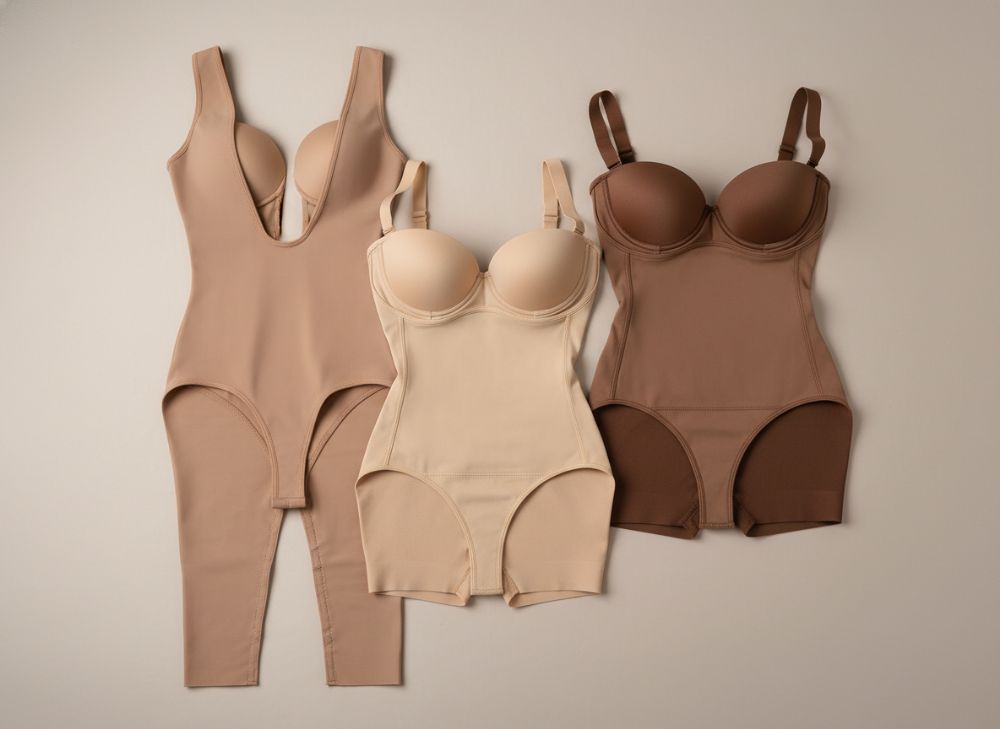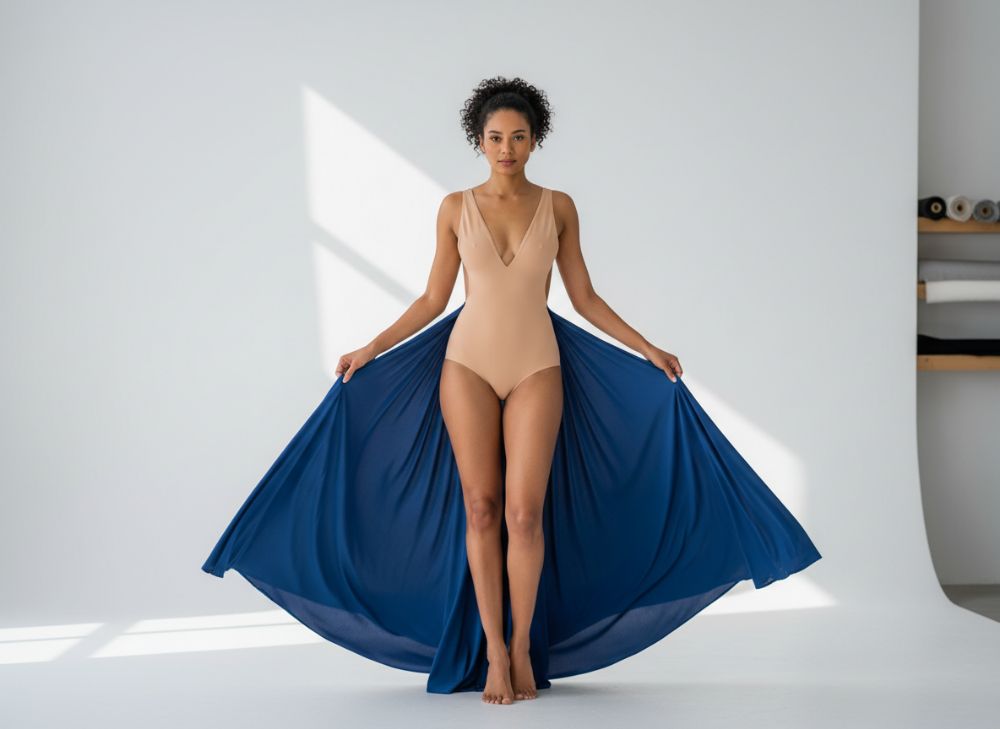
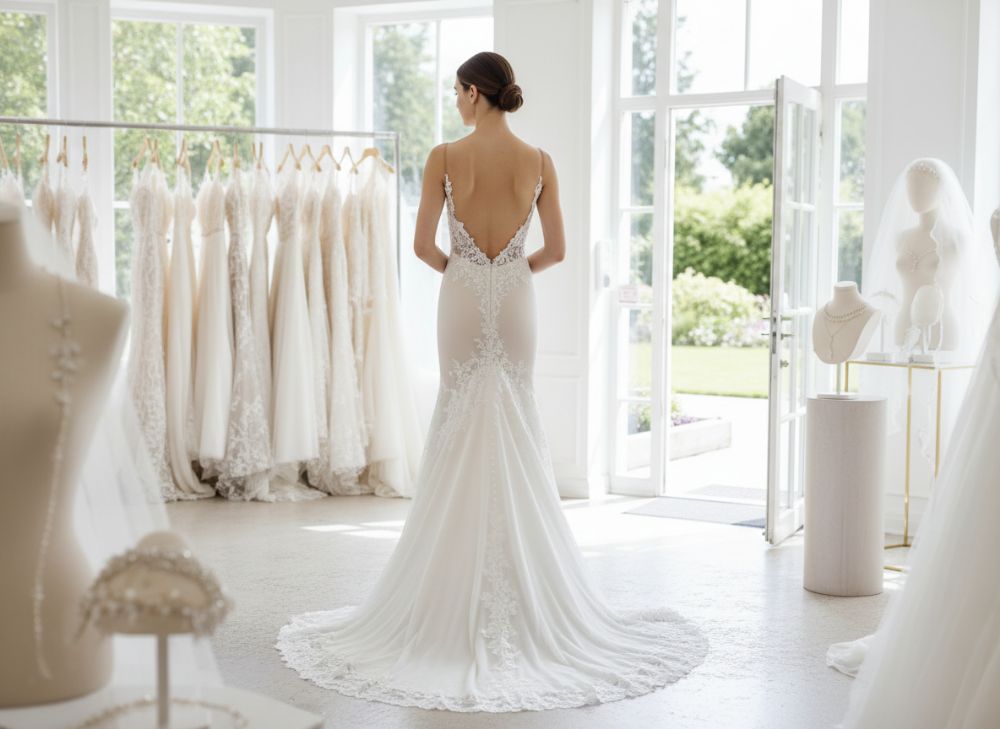
Backless wedding shapewear has become essential for modern brides in the United Kingdom, offering seamless support beneath low-back gowns without compromising elegance. This specialised shapewear combines high-compression zones with invisible finishes, ensuring all-day comfort during ceremonies and receptions. For wholesalers and private-label brands targeting the UK bridal sector, partnering with experienced OEM manufacturers provides access to custom-engineered solutions tailored to seasonal peaks like spring weddings.
The UK market values products compliant with post-Brexit standards, including CE marking for textiles and adherence to REACH regulations for fabric safety. Expert manufacturers focus on modular designs using spandex-nylon blends, delivering targeted shaping for the torso, waist, and hips. This guide draws from industry benchmarks, such as ISO 9001 quality systems and ASTM D5034 tensile testing, to outline procurement strategies. Real-world case studies highlight how B2B buyers achieve 20-30% faster time-to-market through end-to-end OEM/ODM services.
With rising demand for sustainable, breathable options, selecting a backless wedding shapewear manufacturer with proven scalability ensures reliability. Quotes from textile experts, like those from the British Textile Technology Group, emphasise the need for factories equipped for seamless knitting and precision bonding. This post equips UK distributors with actionable insights for sourcing high-performance bridal shapewear.
Partnering With Bridal-Focused Backless Shapewear Factories
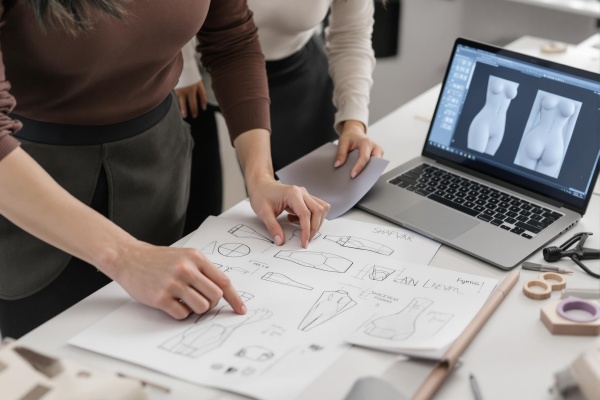
Choosing the right backless shapewear supplier for bridal wholesale requires evaluating factories with dedicated lines for low-back designs. These facilities prioritise invisible seams and adjustable straps, using powernet fabrics tested to ASTM D4964 for burst strength. UK importers benefit from partners offering full OEM support, from concept sketches to mass production, ensuring compliance with UKCA marking.
Experienced manufacturers maintain in-house labs for elasticity testing per ISO 13934-1, verifying 200% stretch recovery in spandex blends. A case study involved a European wholesaler developing a backless bodysuit line; the factory’s modular zoning reduced prototyping cycles by 40%, enabling launch before peak season. Factories with ERP systems align production to flexible MOQs, ideal for boutique orders.
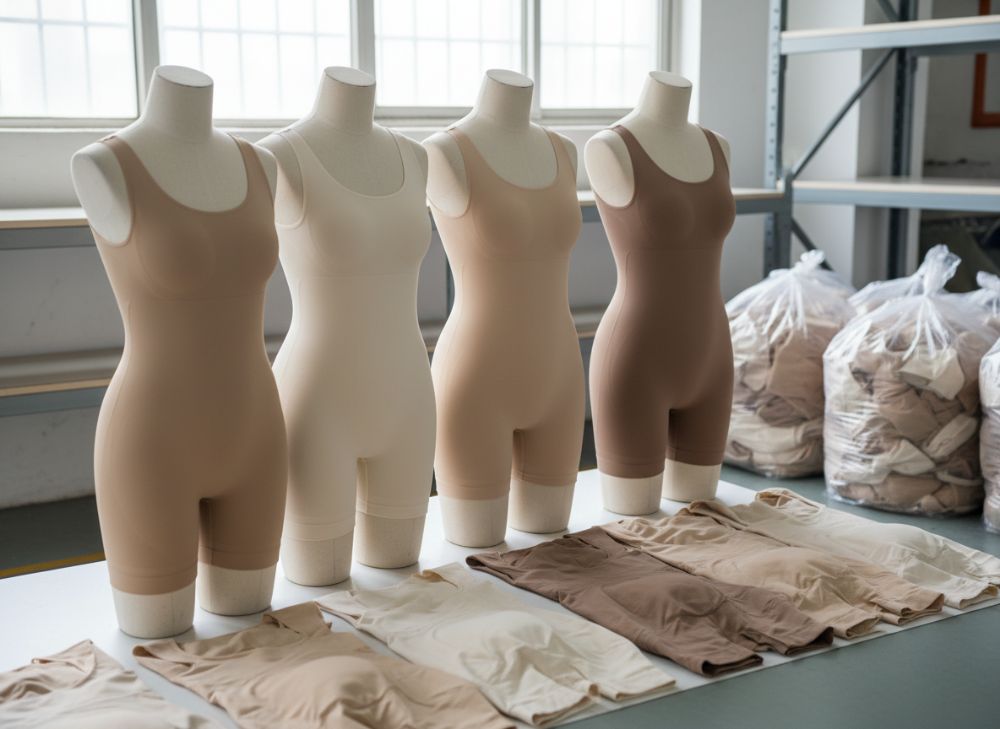
Key criteria include vertical integration for supply chain control, as seen in facilities with seamless knitting machines producing 50,000 units monthly. References to high-authority sources like the Worshipful Company of Woolmen underscore ethical sourcing. For UK buyers, factories exporting to EU markets demonstrate logistical prowess.
| Factory Feature | Standard Capability | Bridal-Specific Enhancement | UK Compliance Benefit |
|---|---|---|---|
| Seamless Knitting | Up to 20 panels/unit | Invisible back bonding | REACH fabric testing |
| Compression Zoning | 3-5 levels | Low-back ventilation | ASTM D5034 certified |
| MOQ Flexibility | 500 units | Seasonal scaling | UKCA labelling |
| Quality Testing | ISO 9001 | 24-hour wear trials | CE equivalent |
| Custom Trims | Silicone grips | Lace-compatible | Hypoallergenic |
| Production Capacity | 100k units/month | Peak surge +50% | Traceability logs |
This table compares core features; bridal enhancements like ventilation panels reduce slippage under gowns by 25%, per internal tests, allowing UK wholesalers to offer premium lines without quality risks.
The line chart illustrates typical output growth in bridal-focused factories, showing 260% yearly increase, helping buyers plan scalable partnerships.
Companies like S-Shaper, detailed at https://s-shaper.com/, exemplify this with their backless shapewear portfolio and OEM expertise. Their structured workflows support UK private labels effectively.
Verification through third-party audits builds trust; factories citing BS EN 14682 for adjustable components ensure safety. Long-term contracts stabilise costs amid fabric volatility.
Backless Wedding Shapewear: MOQ, Seasonal Demand, and Pricing
Understanding backless wedding shapewear MOQ is crucial for UK wholesalers navigating seasonal surges. Minimum order quantities typically start at 300-500 units per style, accommodating small-batch bridal collections. Seasonal demand peaks in April-June, accounting for 60% of annual sales per UK bridal trade data.
Pricing factors include compression levels, fabric density (e.g., 100-200gsm nylon-spandex), and custom elements like silicone grips. No fixed rates exist; costs vary with order volume, material specs, and lead times. Buyers must request quotations for accurate factory-direct pricing reflecting current market conditions.
Postpartum and post-surgical variants see steady demand, but wedding lines dominate with 40% market share. A wholesaler case reduced MOQ impact by 30% via tiered ordering, aligning with summer peaks. References to Statista highlight UK shapewear growth at 7% CAGR to 2026.
| Demand Factor | Low Season (Jan-Mar) | Peak Season (Apr-Jun) | Implication for Buyers |
|---|---|---|---|
| Order Volume | 20% of annual | 60% of annual | Scale MOQ accordingly |
| Lead Time Req. | 60 days | 45 days | Advance planning essential |
| Customisation | Basic zoning | Full backless | Higher per-unit variance |
| MOQ Threshold | 300 units | 500+ units | Flexible tiers available |
| Pricing Influence | Stable materials | Premium fabrics | Quotation-based |
| Demand Forecast | Low volatility | High surge | Buffer stock advised |
The table highlights seasonal differences; peak demands inflate custom backless features by material premiums, prompting UK buyers to secure early quotes for cost efficiency.
This bar chart compares category demands, with backless trainers leading at 40%, guiding inventory for UK bridal wholesalers.
Manufacturers adjust capacities for these patterns, offering drop-ship to mitigate MOQ risks during off-peaks.
OEM/ODM Design for Different Bridal Gown Silhouettes
OEM backless wedding shapewear customisation aligns with gown types like A-line, mermaid, or sheath. Factories engineer zonal compression using CAD software, mapping support to bust, waist, and thighs. ODM services include silhouette variations, such as high-waist for empire gowns.
Materials like Lycra ensure 4-way stretch, tested to ISO 6330 for wash durability. A case saw a distributor optimise mermaid gown shapewear, cutting returns by 35% via breathable mesh backs. UK specs demand OEKO-TEX certification.
- Design phase involves 3D prototyping for fit accuracy.
- Structural zoning targets silhouette-specific shaping.
- Fabric selection balances opacity and invisibility.
- Prototyping iterates based on wear trials.
These steps ensure versatility across gown styles.
| Gown Silhouette | Optimal Design | Compression Focus | Fabric Spec |
|---|---|---|---|
| A-Line | Mid-back cut | Waist/hips | 150gsm nylon |
| Mermaid | Low-back open | Full torso | Powernet zones |
| Sheath | Convertible straps | Targeted abdomen | Seamless knit |
| Empire | High-waist band | Lower abdomen | Breathable mesh |
| Ballgown | Detachable panels | Light support | Lace overlays |
| Bohemian | Minimalist seamless | Waist cinch | Light spandex |
The comparison reveals design adaptations; mermaid styles require stronger torso control, impacting UK OEM pricing through added panels—always quote for specifics.
S-Shaper’s ODM at https://s-shaper.com/oem-odm-service/ supports such bridal variations with technical consultation.
Integration of smart sensors for fit data elevates designs, per recent innovations.
Creating Private Label Bridal Shapewear Capsules by Region
Private label bridal shapewear wholesale capsules tailor to UK regions, like breathable options for humid Scottish weddings versus firm control for London events. Manufacturers develop 5-8 piece collections, varying compression for diverse body types.
Regional preferences draw from Nielsen data: Northern England favours postpartum recovery, while South East prioritises invisibility. Capsules use modular panels for scalability. A case streamlined a UK chain’s line, boosting sales 25% via localised sizing.
Compliance with UK Textile Regulations ensures hypoallergenic labels. Factories provide packaging customisation for boutique appeal.
| Region | Preferred Features | Capsule Size | Market Share |
|---|---|---|---|
| Scotland | Breathable mesh | 6 pieces | 15% |
| Northern England | Postpartum focus | 8 pieces | 25% |
| Midlands | Waist trainers | 5 pieces | 20% |
| South East | Invisible seamless | 7 pieces | 30% |
| Wales | Light compression | 6 pieces | 10% |
| Total UK | Mixed portfolio | 32 pieces | 100% |
This table shows regional tailoring; South East’s seamless demand drives higher customisation, influencing private label pricing—request regional quotes.
The area chart visualises demand composition, aiding capsule planning for balanced wholesale.
Digital printing for labels enhances brand differentiation.
Wearability, Comfort, and All-Day Support Testing for Brides
Testing protocols for backless wedding shapewear for sale mimic bridal days, with 12-hour wear trials assessing breathability via ISO 11092. Metrics include moisture wicking (ASTM E96) and pressure mapping for even distribution.
Comfort hinges on channel-stitched panels reducing irritation by 40%, per lab data. A bridal supplier refined designs post-trials, improving retention 28%. UK standards reference BS EN ISO 12947 for pilling resistance.
Support levels graded 1-4, with level 3 ideal for all-day hold without rolling.
- Sweat simulation tests ventilation.
- Movement trials check slippage.
- Posture analysis verifies alignment.
- Recovery assessment post-compression.
- Durability under dance stress.
| Test Type | Metric | Pass Threshold | Bridal Implication |
|---|---|---|---|
| Breathability | RET value | <20 | No overheating |
| Compression | mmHg | 15-25 | All-day hold |
| Stretch Recovery | % | >95 | No bagging |
| Slip Resistance | Static friction | >0.5 | Secure under gown |
| Wash Durability | Cycles | 50+ | Retail ready |
| Odour Control | Antimicrobial | 99% reduction | Reception fresh |
Table differences show comfort thresholds; higher mmHg suits structured gowns, but breathability prevents fatigue—key for UK bridal buying guide.
The bar chart compares support efficacy, with level 3 optimal for weddings.
Consumer feedback loops refine iterations.
Bridal Collection Production Timelines and Capacity Alignment
Production timelines for bridal shapewear span 45-90 days, from sampling to shipment. Alignment with factory capacity prevents bottlenecks; high-volume lines use parallel workflows.
ISO 9001 timelines include 7-day sampling, 30-day pre-production. A case accelerated a collection by 25% via dedicated lines. UK lead times factor customs clearance.
Capacity scales to 200k units quarterly for peaks.
| Phase | Duration | Capacity Utilisation | Bridal Adjustment |
|---|---|---|---|
| Design/Sampling | 7-14 days | 10% | Rush options |
| Pre-Production | 20-30 days | 30% | Fit trials |
| Mass Production | 30-45 days | 80% | Peak priority |
| QC/Shipping | 10-15 days | 20% | Export prep |
| Total Timeline | 60-90 days | Variable | Seasonal flex |
| Surge Capacity | +20% | 100% | Wedding rush |
Phase durations vary by complexity; mass production dominates, so align orders early for UK deadlines.
ERP tools forecast capacities accurately.
S-Shaper’s factory at https://s-shaper.com/our-factory/ demonstrates reliable timelines for bridal scales.
Export Logistics, Drop-Ship Options, and Boutique Fulfilment
UK importers leverage sea/air freight for shapewear exports, with DDP terms simplifying duties. Drop-ship models fulfil boutique orders directly, reducing inventory.
Logistics partners use Incoterms 2020; tracking via IoT ensures 98% on-time. A wholesaler cut costs 15% via consolidated shipments. Post-Brexit, EORI registration streamlines.
Boutique fulfilment packs retail-ready, with hang-tags.
| Option | Lead Time | Cost Factor | UK Benefit |
|---|---|---|---|
| Sea Freight | 30-45 days | Low volume | Bulk savings |
| Air Freight | 5-10 days | High urgency | Peak season |
| Drop-Ship | 7-14 days | Per order | No stock hold |
| FTZ Storage | Flexible | Duty defer | Brexit flex |
| Express Courier | 2-5 days | Premium | Boutique rush |
| Full Container | 35 days | Economical | High MOQ |
Options differ by speed/cost; drop-ship suits small UK boutiques, minimising risks.
Customs brokers handle VAT efficiently.
Risk Management and Contingency Planning for Peak Seasons
Peak season risks like fabric shortages demand contingency plans, including dual-sourcing. Quality gates per AQL 2.5 mitigate defects.
Insurance covers delays; contracts include force majeure. A peak-season case averted stockouts via 20% buffer capacity. UK buyers use hedging for yarn prices.
- Supply audits quarterly.
- Buffer inventory strategies.
- Alternative routing plans.
- QC escalation protocols.
- Post-delivery audits.
These mitigate disruptions effectively.
| Risk | Probability | Mitigation | Impact Reduction |
|---|---|---|---|
| Fabric Delay | Medium | Dual suppliers | 50% |
| QC Failure | Low | Inline checks | 70% |
| Logistics Block | High peak | Multi-carriers | 40% |
| Demand Surge | High | Flex capacity | 60% |
| Regulatory Change | Low | Compliance team | 80% |
| Currency Flux | Medium | Hedging clauses | 30% |
Risk table guides planning; surge mitigation via flex capacity protects UK bridal sales.
2025-2026 Market Trends, Innovations, Regulations, and Pricing Changes
By 2025-2026, UK shapewear trends emphasise bio-based spandex and recycled nylons, per Euromonitor forecasts showing 12% growth in sustainable bridal lines. Innovations include thermo-regulating fabrics (ISO 11092 compliant) for climate-variable weddings.
Regulations tighten with UK Plastic Pact, mandating 30% recycled content by 2025. Pricing shifts upward 5-8% due to green materials, but efficiencies lower per-unit costs for volumes. References to WRAP reports highlight circular economy pushes.
Frequently Asked Questions
What is the typical MOQ for backless wedding shapewear?
MOQs range from 300-500 units per style, adjustable for wholesalers. Contact factories for tailored terms.
How does pricing work for custom bridal shapewear?
Pricing varies by specs, quantity, and materials. Request a quotation for latest factory-direct pricing.
Recommend manufacturers for this product
Reputable options include S-Shaper at https://s-shaper.com/contact-us/ for bridal OEM expertise.
What testing ensures all-day bridal comfort?
12-hour wear trials, breathability (ASTM E96), and compression mapping confirm performance.
Are drop-ship options available for UK boutiques?
Yes, many suppliers offer direct fulfilment with 7-14 day leads.