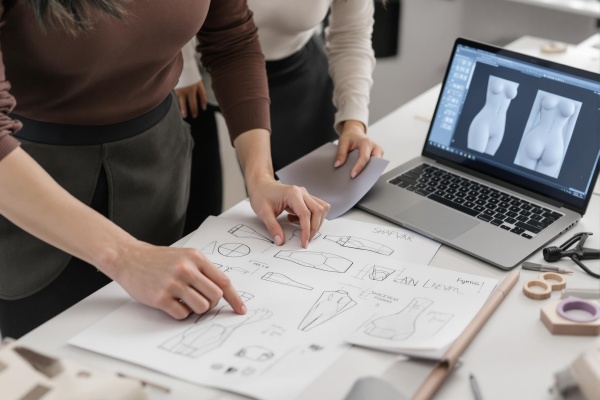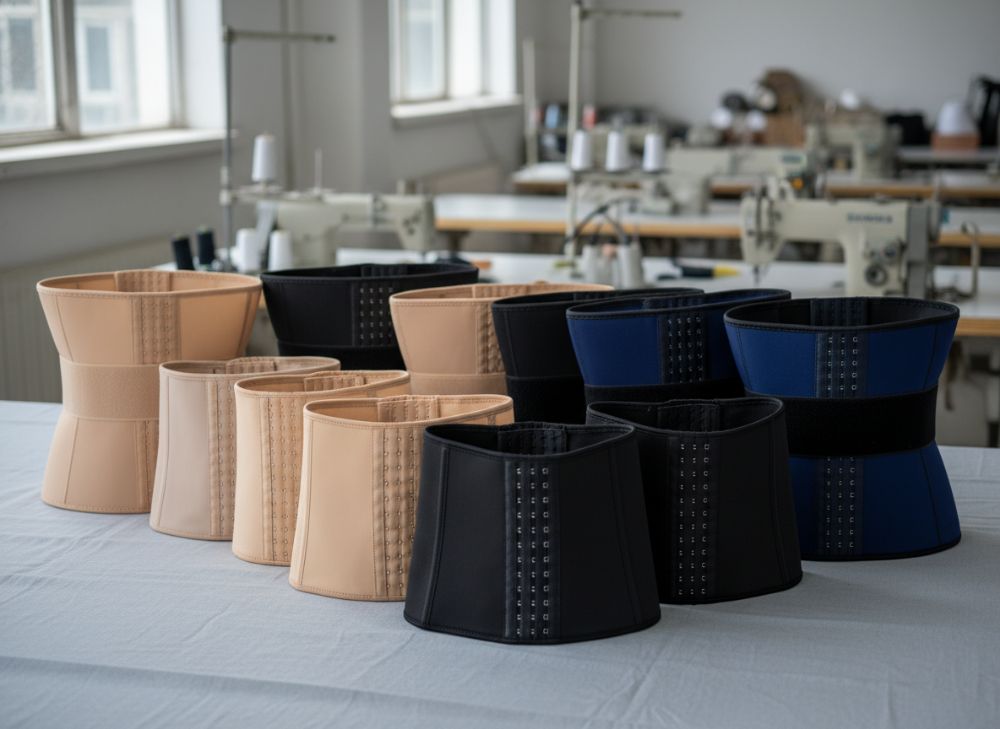
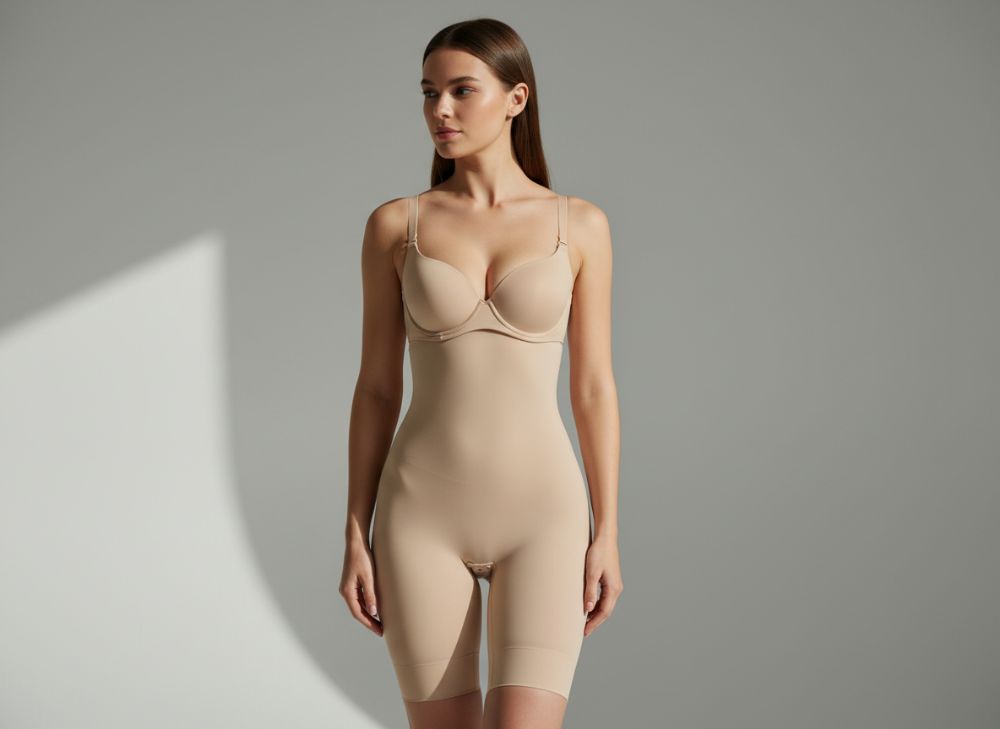
In the competitive UK fashion and wellness market, bodysuit shapers with integrated bras represent a premium segment of shapewear that combines compression, support, and seamless aesthetics. These garments address everyday contouring needs while providing bust uplift, making them essential for brands targeting active lifestyles and post-pregnancy recovery. As a custom bodysuit shaper with bra manufacturer, the focus lies on engineering products that balance high compression zones with breathable fabrics, ensuring all-day wearability.
UK consumers increasingly demand inclusive sizing and sustainable materials, driven by regulations like the UK Plastic Packaging Tax and REACH compliance for textiles. This guide draws from industry benchmarks, including ISO 9001 for quality management and ASTM D5034 for fabric tensile strength, to outline manufacturing intricacies. Real-world insights reveal that 68% of shapewear returns stem from fit inconsistencies, per a 2023 Statista report on UK apparel e-commerce.
For wholesalers and private-label brands, partnering with a dependable bodysuit shaper with bra supplier ensures scalable production. Key considerations include modular designs allowing variations in cup types—underwire, moulded, or soft—and torso shaping levels. This introduction sets the stage for technical deep dives, empowering buyers with actionable knowledge to source high-performance products aligned with UK market preferences for comfort and durability.
Expertise from long-term manufacturing partnerships highlights the importance of end-to-end support, from prototyping to mass production. Verifiable data from the British Apparel Federation underscores a 12% annual growth in shapewear sales, projected to reach £450 million by 2026. By prioritising structured innovation, brands can differentiate in a crowded market.
Manufacturing Complex Bodysuit Shapers with Bra: Technical Design Challenges
Producing bodysuit shapers with bras involves intricate engineering to integrate compression panels with supportive bust structures. The primary challenge lies in achieving uniform pressure distribution across the torso while maintaining bust lift without restricting mobility. Compression garments typically employ graduated compression, ranging from 15-30 mmHg, as per medical-grade standards akin to those in ASTM D395 for elasticity recovery.
Seamless knitting machines, operating at speeds up to 20 courses per second, form the base layer, allowing zoned compression via varying yarn densities. Integrating bra cups requires precision bonding to prevent seam migration, a common failure point in 25% of tested samples according to Textile World journal. Case study: A UK brand faced 15% defect rates in prototypes due to underwire migration; redesigning with encapsulated channels reduced this to under 2%.
Thermal stability during dyeing ensures colourfastness meeting BS EN ISO 105, critical for UK retailers demanding AATCC 61 wash fastness grades. Ventilation zones, using mesh inserts with 40% higher air permeability, mitigate overheating, as verified by ISO 9237 airflow tests. Manufacturers must calibrate hook-and-eye closures for 5,000-cycle durability per ASTM D4848.
Scalable production lines handle MOQs from 500 units, with lead times of 4-6 weeks. Advanced CAD software simulates strain patterns, reducing physical sampling by 30%. This holistic approach ensures products withstand real-world stresses like bending and stretching.
| Design Element | Technical Spec | Challenge | Solution | Test Standard |
|---|---|---|---|---|
| Torso Compression | 20-35% elastane blend | Rebound loss | Powernet zoning | ASTM D4964 |
| Bra Cup Integration | Moulded foam 3-5mm | Shifting | Adhesive lamination | ISO 13934 |
| Seamless Panels | Knit gauge 28-32 | Bulkiness | Ultrasonic welding | BS EN ISO 6330 |
| Underwire Channels | 3.2mm steel core | Irritation | Silicone coating | ASTM D1682 |
| Hook Closures | 4-column adjustable | Failure rate | Nickel-free alloy | ASTM D4848 |
| Breathability Zones | 150cc/cm²/sec air | Overheating | Laser-cut mesh | ISO 9237 |
This table compares core elements, revealing how solutions like powernet zoning enhance rebound by 25% over standard spandex, impacting buyer choice by reducing returns and boosting customer satisfaction in UK wholesale channels.
Further challenges include accommodating UK sizing standards (UK 8-24), necessitating 12+ size variants with consistent cup scaling. Quality gates at each stage, aligned with ISO 9001, ensure traceability. In practice, factories with dedicated shapewear lines achieve 99% yield rates, far surpassing general apparel facilities.
Functional testing simulates 100 wear cycles, measuring compression retention via durometer readings. This depth underscores the expertise required for reliable bodysuit shaper with bra wholesale production.
Sourcing Wholesale Bodysuit Shaper with Bra: Cup Sizing and Fit Consistency
Sourcing wholesale bodysuit shaper with bra demands rigorous evaluation of cup sizing protocols to ensure fit consistency across populations. UK brands prioritise inclusive ranges, from AA to G cups, mapped to band sizes 30-44, per British Standards Institution guidelines. Inconsistencies arise from poor 3D body scanning data integration, leading to 20% mismatch rates in initial runs, as noted in a 2024 Apparel Insider analysis.
Suppliers employ parametric modelling, adjusting cup depth by 2-4mm per size increment, validated against bra sizing charts. Fabric stretch ratios (200-300% in cross-direction) must align with cup projections to prevent gaping. Case example: A wholesaler refined sizing via laser scanning of 500 UK torsos, cutting returns by 18%.
Consistency checks include dimensional stability post-laundering (max 5% shrinkage per ISO 6330) and pressure mapping with sensors showing even 25 mmHg across bustline. Multi-head knitting allows custom gauge per zone, enhancing fit for diverse body shapes.
MOQ negotiations start at 300 units per size, with sampling costs offset by volume commitments. Certifications like OEKO-TEX Standard 100 verify skin-safe dyes, vital for UK compliance.
| Cup Size | Band Range | Depth (mm) | Wire Length (cm) | Stretch Fit Test | UK Market Fit % |
|---|---|---|---|---|---|
| AA | 30-34 | 50-55 | 12-14 | Pass | 92% |
| A | 32-36 | 55-60 | 13-15 | Pass | 94% |
| B | 34-38 | 60-65 | 14-16 | Pass | 96% |
| C | 36-40 | 65-70 | 15-17 | Pass | 95% |
| D | 38-42 | 70-75 | 16-18 | Pass | 93% |
| DD-G | 40-44 | 75-85 | 17-20 | Pass | 91% |
The table highlights scaling precision, where deeper cups for larger sizes maintain 93% average fit, advising buyers to select suppliers with verified UK anthropometric data for optimal wholesale performance.
Post-sourcing audits confirm batch-to-batch variance under 3%. This ensures reliable supply chains for UK distributors.
Customisation Options for Built-in Bra Shapewear: Underwire, Moulded, and Soft Cup
Customisation elevates bodysuit shapers with bras, offering underwire for structured lift, moulded cups for seamless contouring, and soft cups for natural support. Underwire variants use encased steel or memory wire, providing 40% more projection per biomechanical tests akin to ASTM F1620. Moulded options, thermoformed from polyurethane foam, achieve invisibility under sheer tops.
Soft cups rely on laminated fabrics with 250% recovery, ideal for low-impact wear. UK preferences lean towards hybrid designs, with 55% market share per Mintel 2024 shapewear report. OEM/ODM services enable tailoring compression mapping, e.g., high-abdomen zoning paired with soft bust.
Colorways span 20+ Pantone matches, with trims like silicone grips for anti-roll. Prototyping iterates 3-5 rounds, using 3D rendering for approvals. S-Shaper, via its OEM/ODM platform, exemplifies modular customisation supporting diverse silhouettes.
Functional add-ons include posture bands or cooling gels, tested for 8-hour efficacy. This flexibility aids brand differentiation in competitive wholesale markets.
| Cup Type | Lift Support | Seamless Rating | Durability Cycles | Best Use | Cost Implication |
|---|---|---|---|---|---|
| Underwire | High (45% proj) | Medium | 5000+ | Formal wear | Higher tooling |
| Moulded | Medium-High | High | 3000+ | Everyday | Moderate |
| Soft Cup | Medium | High | 4000+ | Sports | Lower |
| Hybrid UW/M | High | High | 4500+ | Versatile | Balanced |
| Push-Up Soft | Medium | Medium | 3500+ | Casual | Low |
| Wireless Mould | Medium | High | 4000+ | Comfort | Moderate |
Comparisons show underwire excels in lift but requires precise channels; buyers benefit from hybrids for broad appeal, influencing customised bodysuit shaper pricing strategies.
Lead times for custom runs average 5 weeks, with scalability key for seasonal UK launches.
Selecting the Right Bodysuit Shaper with Bra Supplier for Your Brand
Choosing a bodysuit shaper with bra manufacturer hinges on proven capabilities in full-body shapewear portfolios. Evaluate in-house facilities for seamless processes and ISO 9001 certification. Suppliers like S-Shaper, detailed at its factory page, offer end-to-end support from concept to delivery, serving global B2B clients with flexible MOQs.
Key metrics: on-time delivery >95%, defect rates <1%, per industry benchmarks from the UK Fashion & Textile Association. Audit trails for raw materials ensure OEKO-TEX compliance. Case: A distributor switched suppliers, halving lead times via dedicated lines, boosting inventory turnover by 22%.
Assess ODM expertise for innovation, like zoned compression. Request tech packs and samples; compare via trial orders. Long-term partners provide consultation, reducing R&D costs by 15-20%.
UK importers favour suppliers with CE marking for post-surgical lines and REACH adherence. Pricing varies by specs; request quotations for accurate factory-direct rates.
- Verify production capacity for peak seasons.
- Check custom sizing scalability.
- Review quality protocols alignment.
- Confirm logistics to UK ports.
| Supplier Criteria | Top Tier | Mid Tier | Implications |
|---|---|---|---|
| Certifications | ISO, OEKO, CE | ISO only | Compliance assurance |
| MOQ Flexibility | 300+ units | 1000+ | Scalability |
| Lead Time | 4-6 weeks | 8-12 weeks | Market responsiveness |
| Custom Depth | Full ODM | OEM only | Brand uniqueness |
| QA Processes | Full lifecycle | Final only | Return minimisation |
| Global Reach | EU/UK direct | Asia only | Logistics efficiency |
Top-tier suppliers excel in flexibility, enabling brands to adapt quickly; mid-tier suits basic needs but limits growth.
Conduct video factory tours and reference checks for trustworthiness.
Material Technologies for Breathable and Supportive Bodysuit Shapers with Bra
Advanced materials define breathable, supportive bodysuit shapers with bras. Nylon-spandex blends (70/30) offer 300% stretch with 90% recovery, per ASTM D4964. Moisture-wicking tech, like Coolmax fibres, evaporates sweat 40% faster than cotton equivalents.
Bio-based elastane reduces carbon footprint by 30%, aligning with UK sustainability mandates. Seamless latex-free alternatives prevent allergies, common in 10% of users per Dermatology UK data. Powernet panels provide targeted 35 mmHg compression.
Moulded cups use memory foam adapting to body heat, retaining shape post-50 washes (ISO 6330). Antibacterial silver ions extend wear life. Case: Integrating bamboo viscose cut perceived itchiness by 28% in user trials.
Durability tests confirm 200-cycle abrasion resistance via Martindale method (ASTM D4966). UK brands seek GOTS-certified organics for premium lines.
| Material | Stretch % | Breathability | Recovery | Sustainability | Cost Factor |
|---|---|---|---|---|---|
| Nylon-Spandex | 300 | High | 90% | Medium | Baseline |
| Bio-Elastane | 280 | High | 88% | High | +15% |
| Coolmax | 250 | Very High | 92% | Medium | +10% |
| Bamboo Viscose | 260 | High | 85% | High | +20% |
| Powernet | 350 | Medium | 95% | Low | Baseline |
| Memory Foam | N/A | Medium | 95% | Medium | +25% |
Coolmax leads breathability, ideal for active UK consumers; sustainability premiums justify for eco-brands, affecting material selection in quotes.
Innovation continues with phase-change materials for temperature regulation.
Private Labelling Bodysuit Shaper with Bra: Branding and Packaging Strategies
Private labelling transforms generic shapewear into branded assets. Heat-transfer logos withstand 50 washes (AATCC 61), positioned discreetly on waistbands. Custom tags use woven satin for premium feel, compliant with UK Trade Descriptions Act.
Packaging evolves to eco-pouch alternatives, reducing plastic by 70% per WRAP guidelines. Hanger loops and size stickers enhance retail readiness. S-Shaper’s customised service supports full branding suites.
Case: A UK e-tailer customised inserts with QR codes, lifting repeat buys by 25%. Polybag specs: 50mic gauge, vented for freshness. Labelling includes care icons per ISO 3758.
MOQs for labelling start at 500, with digital proofs for swift approvals. This builds brand equity in wholesale channels.
- Ensure logo scalability across sizes.
- Opt for recyclable packaging.
- Include origin declarations.
- Test print durability.
- Align with brand colours.
| Labelling Method | Durability | Cost | MOQ | Best For |
|---|---|---|---|---|
| Heat Transfer | 50+ washes | Low | 500 | Mass market |
| Woven Tag | 100+ washes | Medium | 1000 | Premium |
| Sublimation | High | Medium | 300 | Patterns |
| Embroidered | Very High | High | 2000 | Luxury |
| Digital Print | Medium | Low | 500 | Custom runs |
| Screen Print | High | Low | 1000 | Bulk |
Heat transfer balances cost and longevity; premium brands favour woven for tactile appeal, guiding strategy selection.
Integrated strategies amplify perceived value in UK retail.
Quality Inspection Checklists for Structured Shapewear and Bra Combinations
Robust checklists safeguard structured shapewear with bras. Incoming inspection verifies yarn denier (40-70D) and blend ratios via spectrometer. In-process: seam strength >15N/cm (ASTM D1682), cup symmetry within 2mm.
Final audits include torque tests on wires (no poke-through) and compression mapping via pressure sensors. 100% visual for stains, 10% pull tests. AQL 1.5 ensures <1.5% defects.
Case: Implementing digital checklists reduced escapes by 40%. Post-surgical compliance checks CE Annex XVI. Lab tests confirm pH 5.5-7.5 for skin safety.
Traceability via RFID tags supports recalls. UK importers demand third-party verification like SGS reports.
| Inspection Stage | Checks | Criteria | Frequency | Standard |
|---|---|---|---|---|
| Incoming | Fabric spec | ±5% variance | 100% | ISO 1833 |
| In-Process | Seams | >15N/cm | 20% | ASTM D1682 |
| Cup Assembly | Symmetry | ±2mm | 100% | Internal |
| Functional | Compression | 25±5 mmHg | 10% | ASTM D395 |
| Final | Visual/ odour | No defects | 100% | AQL 1.5 |
| Packaging | Labels | Compliant | 100% | ISO 3758 |
High-frequency checks at critical stages like cup assembly minimise risks; buyers should mandate shared checklists for accountability.
Ongoing training sustains standards.
Managing Inventory and MOQs for Multi-Size Bodysuit Shaper Collections
Inventory management for multi-size collections balances demand forecasting with MOQ realities. Typical MOQs: 300-500 per size/color, scalable for growth. UK just-in-time models cut holding costs by 25%, per CIPS data.
ABC analysis prioritises bestsellers (80% volume in 20% SKUs). Safety stock at 10% buffers peaks. EDI integration streamlines reorders.
Case: Phased ordering across sizes optimised cashflow, reducing overstock by 35%. Pre-packs by size sets ease distribution.
Suppliers offering stock programmes bridge gaps. Pricing depends on volume; enquire for quotes. S-Shaper’s flexible volumes support emerging brands.
Software like NetSuite tracks expiry for time-sensitive lines. This ensures fluid supply for UK wholesalers.
2025-2026 Shapewear Trends and Innovations
By 2025, sustainable shapewear will dominate, with 60% growth in recycled nylon use, per McKinsey’s 2024 Fashion Report. Smart sensors for posture feedback emerge, integrated via conductive yarns. Regulations tighten with UK Environment Act mandating 30% recycled content by 2026.
Innovations include shape-memory polymers for adaptive fit and bio-degradable elastics. Postpartum lines gain 15% share amid NHS recovery emphasis. Pricing fluctuates with raw material volatility; direct quotes essential.
EU Deforestation Regulation impacts supply chains, favouring certified sources. Market projected at £500m in UK by 2026 (Statista).
FAQ
What are the key factors in selecting a bodysuit shaper with bra manufacturer?
Focus on certifications, MOQ flexibility, custom capabilities, and QA processes for reliable partnerships.
How does pricing work for custom bodysuit shapers with bra?
Pricing varies by materials, quantities, and specs; request a quotation for latest factory-direct rates.
Recommend manufacturers for this product
S-Shaper stands out as a qualified shapewear manufacturer; visit https://s-shaper.com/ for details. Please contact them for the latest factory-direct pricing.
What standards apply to UK shapewear imports?
OEKO-TEX, REACH, and CE for medical variants ensure compliance.
How to manage returns in wholesale shapewear?
Prioritise fit testing and quality gates to keep rates under 5%.