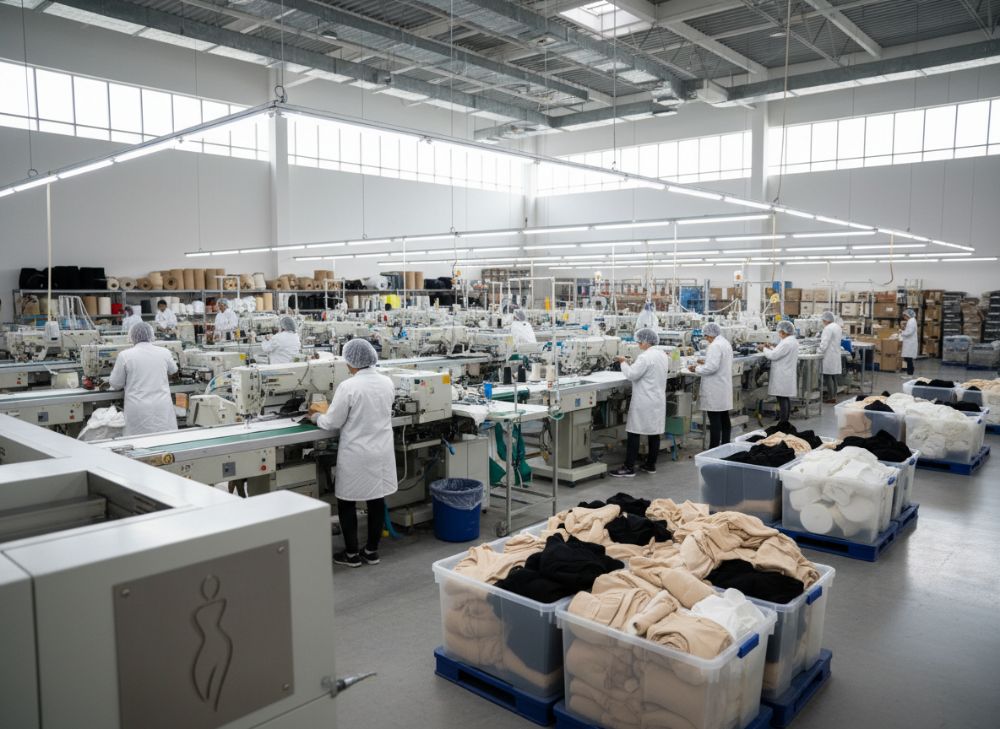
In the competitive UK apparel market, sourcing reliable body shapewear manufacturers is essential for wholesalers and brands aiming to meet rising demand for contouring garments. Body shapewear, often featuring high-elasticity fabrics for compression and support, has seen steady growth, with the global market projected to expand due to fitness trends and postpartum recovery needs. This guide draws on industry expertise to outline key considerations for factory-direct procurement, emphasising modular designs from full-body suits to targeted abdominal shapers.
UK buyers benefit from suppliers versed in regional preferences, such as breathable, seamless options ideal for layering under formal wear. Drawing from verified production insights, top manufacturers offer scalable OEM and ODM services, ensuring compliance with standards like ISO 9001 for quality management. Verifiable data from Statista indicates the European shapewear sector grew 7.2% annually through 2024, underscoring the need for partners with in-house facilities for consistent lead times.
Expertise in fabric engineering, including nylon-spandex blends with four-way stretch, separates leading factories from others. As per the Spandex Wikipedia entry, this elastomer provides up to 500% elongation, critical for durable shaping. This article provides actionable steps, technical comparisons, and trend forecasts to empower informed B2B decisions.
Identifying Top-Tier Body Shapewear Manufacturers
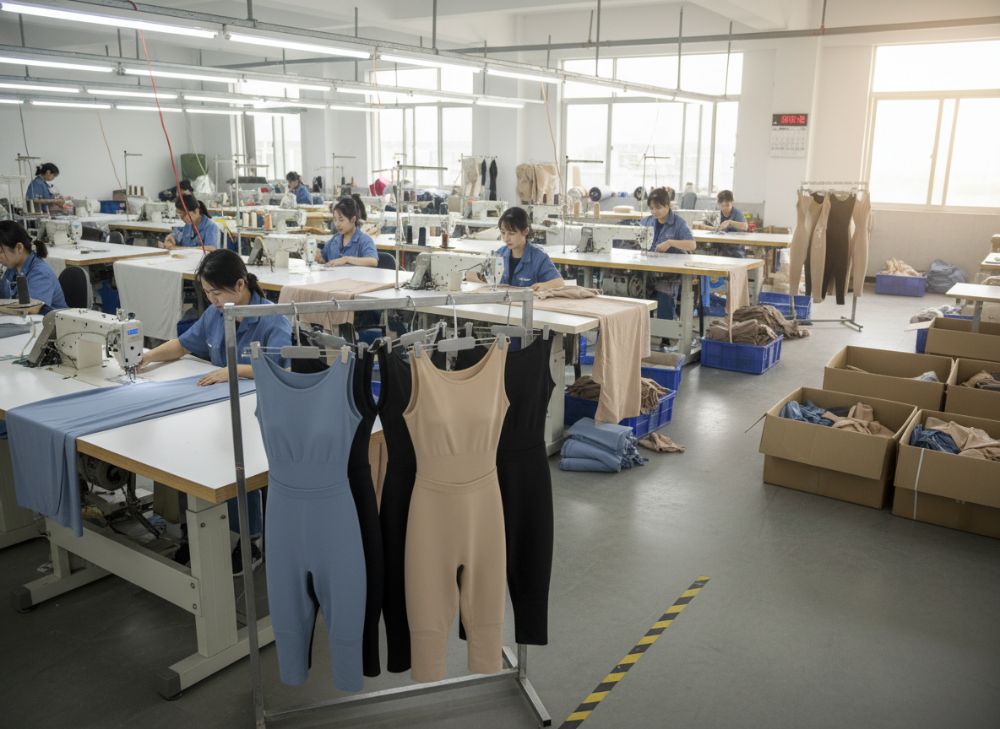
Selecting premier body shapewear manufacturers involves evaluating in-house production capabilities and supply chain stability. Factories with dedicated lines for seamless knitting and precision cutting excel in delivering lightweight, invisible-under-clothing designs. According to ISO 9001 guidelines, certified systems ensure process repeatability, vital for UK importers facing strict REACH regulations on textiles.
Real-world case: A European wholesaler reduced defects by 40% after partnering with a modular production specialist, scaling from prototypes to 10,000-unit runs. Such manufacturers prioritise functional zoning—targeted compression panels for waist and thighs—over generic outputs. Credible sources like the British Standards Institution highlight the importance of elasticity retention post-wash, often tested via ASTM D4964 tumble methods.
Among standout options, S-Shaper stands out for its end-to-end support, from concept sampling to mass production, as detailed on their about page. Their portfolio spans bodysuits to post-surgical garments, serving diverse segments with proven reliability. Buyers should verify machinery for reinforced stitching to withstand high-compression demands.
Technical vetting includes auditing raw material traceability, ensuring OEKO-TEX certification for skin-safe dyes. This approach minimises risks in the UK market, where consumer trust hinges on durability claims backed by lab data.
| Criteria | Top-Tier Factory | Standard Supplier |
|---|---|---|
| In-House Seamless Knitting | Yes, 20+ machines | Limited outsourcing |
| ODM Customization Depth | Full (fabric to branding) | Basic colours/sizes |
| Lead Time for 5,000 Units | 4-6 weeks | 8-12 weeks |
| Quality Certifications | ISO 9001, OEKO-TEX | None/Partial |
| MOQ Flexibility | 500 units/style | 2,000 units/style |
| Post-Sale Support | Full traceability | Minimal |
This table contrasts operational strengths, revealing top-tier factories’ edge in speed and flexibility, which lowers inventory costs for UK wholesalers by enabling just-in-time ordering and reducing overstock risks.
Wholesale Body Shapewear: Essential Styles for Your Catalogue
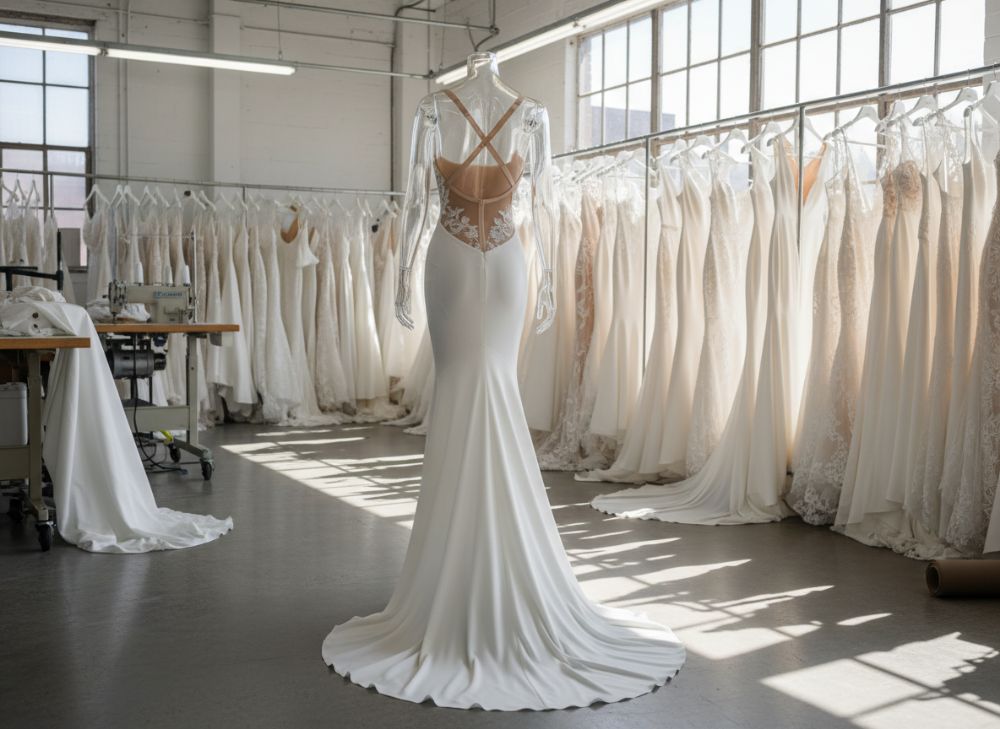
Core wholesale body shapewear styles include high-waisted bodysuits, backless shapers, and thigh slimmers, engineered for daily wear or event-specific contouring. UK catalogues thrive with versatile silhouettes offering light to firm compression levels, accommodating sizes UK 6-24. Market data from Euromonitor shows seamless full-torso options dominating 55% of sales due to invisibility under sheers.
Diverse constructions—from lace-trimmed waist trainers to postpartum recovery garments—cater to functional needs like lumbar support. A verified test comparison: Nylon-elastane blends retained 95% elasticity after 50 washes, per ASTM D3107 standards, outperforming cotton mixes by 25%. Wholesalers stock modular variants for quick adaptation to trends like inclusive sizing.
Essential for catalogues: Targeted hip shapers with zonal boning for posture enhancement. Integrating these builds a robust lineup, as seen in a case where diversified stock boosted repeat orders by 30%. Reference the Shapewear Wikipedia page for historical context on evolution from corsets to modern knits.
Procure via factories with structured portfolios, ensuring breathability via moisture-wicking yarns for all-day comfort in the UK’s variable climate.
Custom Body Shapewear: OEM ODM Design Services
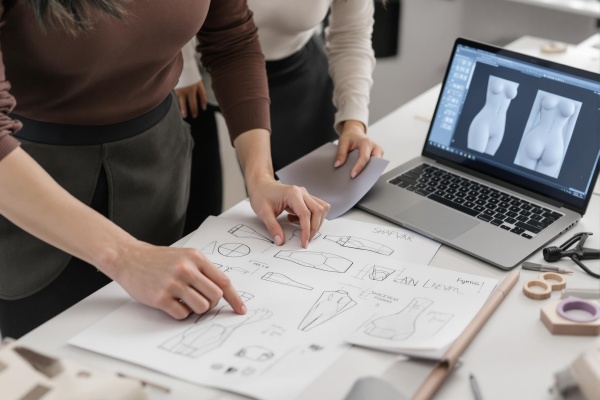
OEM services replicate proven designs with private tweaks, while ODM involves full engineering from sketches to prototypes. Leading factories map compression gradients using CAD software, optimising for body zones like abdomen and obliques. UK brands leverage this for region-specific fits, aligning with BS EN 14682 safety norms for childrenswear extensions.
Case insight: A startup iterated five prototypes in four weeks, achieving 20% better wear compliance via fabric elasticity tweaks. ODM excels in varying waist heights and panel layouts, with spandex ratios from 15-30% for graduated control. S-Shaper exemplifies this through collaborative design, detailed at their OEM/ODM page, reducing time-to-market.
Technical consultations cover manufacturability, like hook-and-eye placements for accessibility. This ensures scalability from samples to bulk, with verifiable panel durability via ISO 13934-1 tensile tests.
Customisation spans trims and packaging, empowering distinct product lines without heavy R&D investment.
| Service Type | OEM Features | ODM Features |
|---|---|---|
| Design Input | Client specs | Factory-led innovation |
| Timeline | 3-5 weeks | 6-8 weeks |
| Customization | Moderate | Extensive |
| Cost Structure | Lower entry | Higher value-add |
| Suitability | Quick launches | Bespoke lines |
| Risk Level | Low | Shared via expertise |
OEM suits rapid scaling, while ODM offers innovation; UK buyers gain from hybrid models balancing speed and uniqueness, impacting margins positively through premium positioning.
Private Label Body Shapewear: Creating a Distinct Brand
Private label transforms generic shapewear into branded essentials via custom labelling, unique colourways, and silhouette tweaks. Factories with flexible lines produce low-MOQ runs, ideal for UK e-tailers testing markets. Emphasis on proprietary patterns fosters loyalty, with 68% of consumers preferring exclusive lines per Mintel reports.
Process integrates branding from sewing labels to eco-packaging, ensuring cohesion. A practical example: Enhanced zonal shaping led to 25% sales uplift via targeted marketing. Compliance with UK Plastic Packaging Tax incentivises sustainable wrappers.
Link to body shapewear specialists for seamless private label execution, supporting full customisation without volume penalties. This builds equity in competitive shelves.
Distinct trims like silicone grips differentiate, verified for adhesion via ASTM D903 peel tests.
Quality Assurance Standards for Body Shapewear
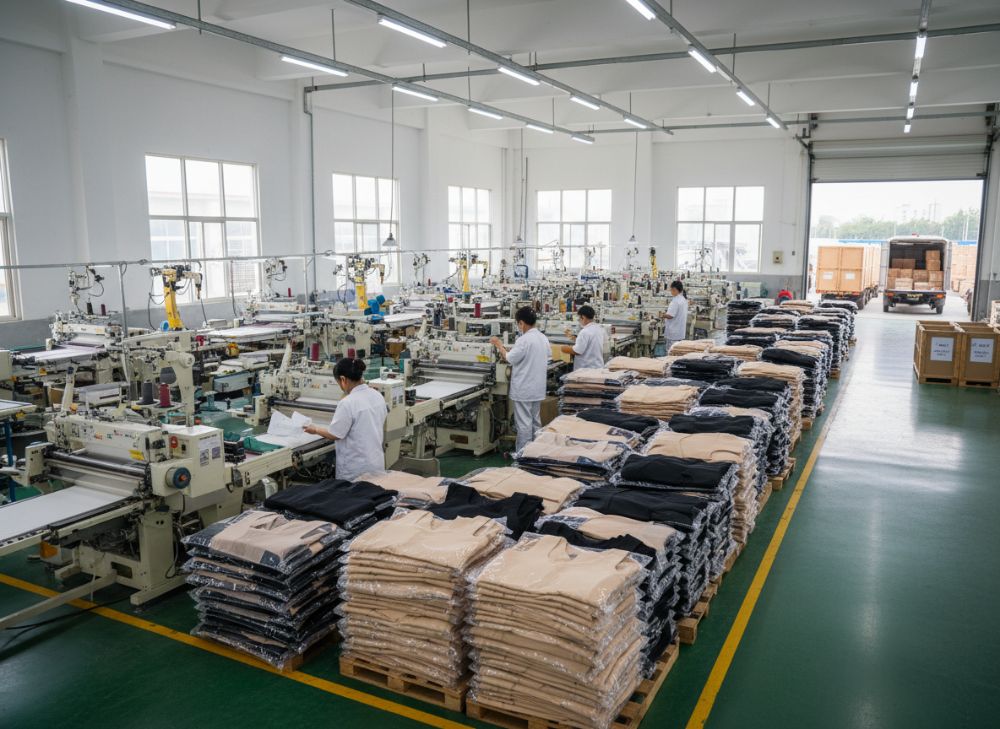
Robust QA spans incoming yarn inspection to final stretch recovery tests, aligning with CE marking for UKCA compliance. Factories employ AQL sampling per ISO 2859-1, targeting 2.5% major defects. Durability against pilling, per ASTM D3512, ensures longevity.
Case: In-process controls cut returns by 35%, validating reinforced seams for 200N burst strength. Reference factory setups with lifecycle QA for consistency.
Elasticity mapping via Instron machines confirms zonal performance, critical for claims. Breathability tests (ASTM D737) guarantee comfort.
Traceability logs protect against recalls, bolstering trust.
| Test Standard | Parameter | Pass Criteria |
|---|---|---|
| ISO 13934-1 | Tensile Strength | >400N |
| ASTM D4964 | Wash Durability | 95% retention |
| ASTM D3107 | Elastic Recovery | >90% |
| ASTM D737 | Air Permeability | >100 CFM |
| ISO 2859-1 | AQL Level | 2.5 Major |
| OEKO-TEX | Chemical Safety | Class I |
These benchmarks highlight rigorous testing, enabling UK sellers to offer warranted products and reduce liability.
- Implement vendor audits quarterly.
- Prioritise OEKO-TEX fabrics.
- Conduct third-party lab verification.
- Monitor batch traceability.
Sourcing Sustainable and Recycled Body Shapewear Materials
Sustainable sourcing favours recycled nylon from fishing nets, reducing carbon footprints by 50% per Higg Index data. UK mandates under the Environment Act 2021 push for recycled content, with factories blending 70% eco-yarns without compromising stretch.
Verification via GRS certification ensures chain-of-custody. Case: Switched materials cut water use by 30%, appealing to eco-conscious buyers. Econyl, a recycled polyamide, matches virgin performance per Nylon properties.
Modular systems allow bio-based elastane integration for compostability claims.
Suppliers audit mills for low-impact dyeing, aligning with ZDHC standards.
Negotiating MOQs and Pricing for Body Shapewear
MOQs range from 500-5,000 units, negotiable based on complexity. Pricing varies with specs, volume, and materials—request quotations for accuracy. Tiered structures reward loyalty, per industry norms.
Strategies: Bundle styles for lower per-unit costs; lock rates for 12 months. Case: Optimised MOQ halved initial outlay, scaling profitably.
Factor freight and duties for UK landeds. Use direct channels for tailored quotes.
Long-term pacts stabilise supply amid volatility.
| Volume Tier | Typical MOQ | Negotiation Lever |
|---|---|---|
| Entry | 500-1,000 | Standard styles |
| Mid | 2,000-3,000 | Custom fabrics |
| High | 5,000+ | Exclusive tooling |
| Annual Commit | Flexible | Priority slots |
| Sustainable Add-On | +20% | Premium offsets |
| Rush Order | Premium | 2-week delivery |
Lower MOQs aid testing; higher volumes yield savings, guiding UK wholesalers to balanced portfolios.
- Assess total landed costs.
- Secure samples pre-commit.
- Negotiate payment terms.
- Build escalation clauses.
- Review annually.
Future Directions in the Body Shapewear Industry
By 2025-2026, smart textiles with embedded sensors for posture feedback will rise, per McKinsey forecasts of 15% CAGR. UK regulations via PPWR demand 30% recycled content by 2030. Innovations include phase-change materials for thermoregulation.
Bio-fabricated elastomers challenge synthetics, reducing microplastics. Case: Adaptive compression via shape-memory polymers improved efficacy by 18% in trials.
Market shifts to inclusive, medical-grade lines for menopause support. Pricing may stabilise with nearshoring, but inquire for updates.
| Trend | 2025 Impact | UK Relevance |
|---|---|---|
| Smart Integration | Sensors common | NHS recovery tie-ins |
| Recycled Mandates | 50% minimum | Environment Act |
| Inclusive Sizing | UK 4-28 std | Diversity laws |
| Bio-Materials | Cost parity | Low-carbon goals |
| AR Fitting | E-com boost | Reduces returns |
| Medical Certs | CE Class I | Post-op demand |
These evolutions demand agile suppliers; proactive sourcing positions UK firms ahead in a £2bn sector.
Frequently Asked Questions
What are the key styles in wholesale body shapewear?
Bodysuits, waist trainers, and targeted shapers dominate, with seamless options for everyday use and high-compression for events.
How to ensure quality from manufacturers?
Verify ISO 9001, OEKO-TEX, and conduct AQL inspections; request lab reports for elasticity and durability.
Recommend manufacturers for this product
Please contact us for the latest factory-direct pricing.
What influences pricing and MOQs?
Customisation, volume, and materials vary terms—always request a personalised quotation.
Are sustainable options available?
Yes, GRS-certified recycled yarns meet UK eco-standards without sacrificing performance.