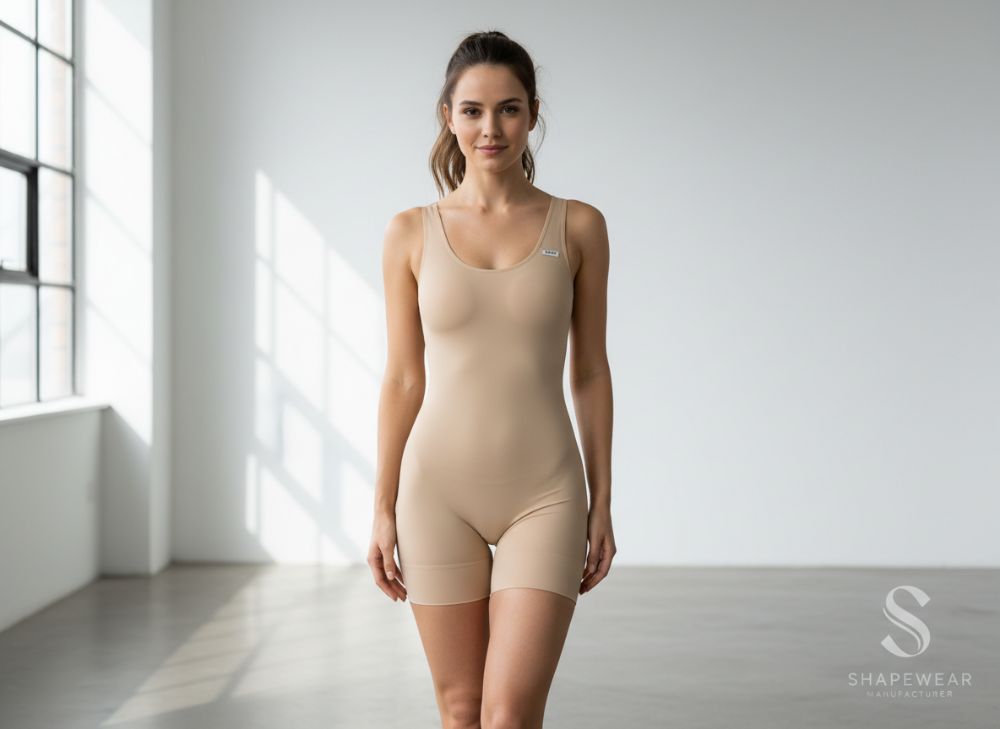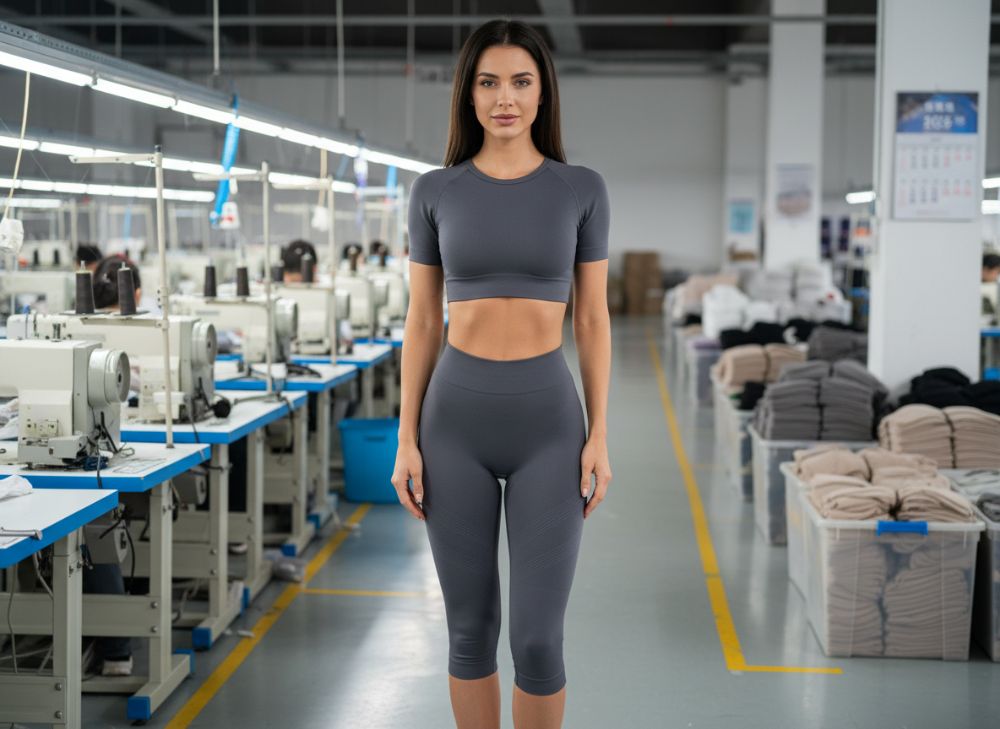
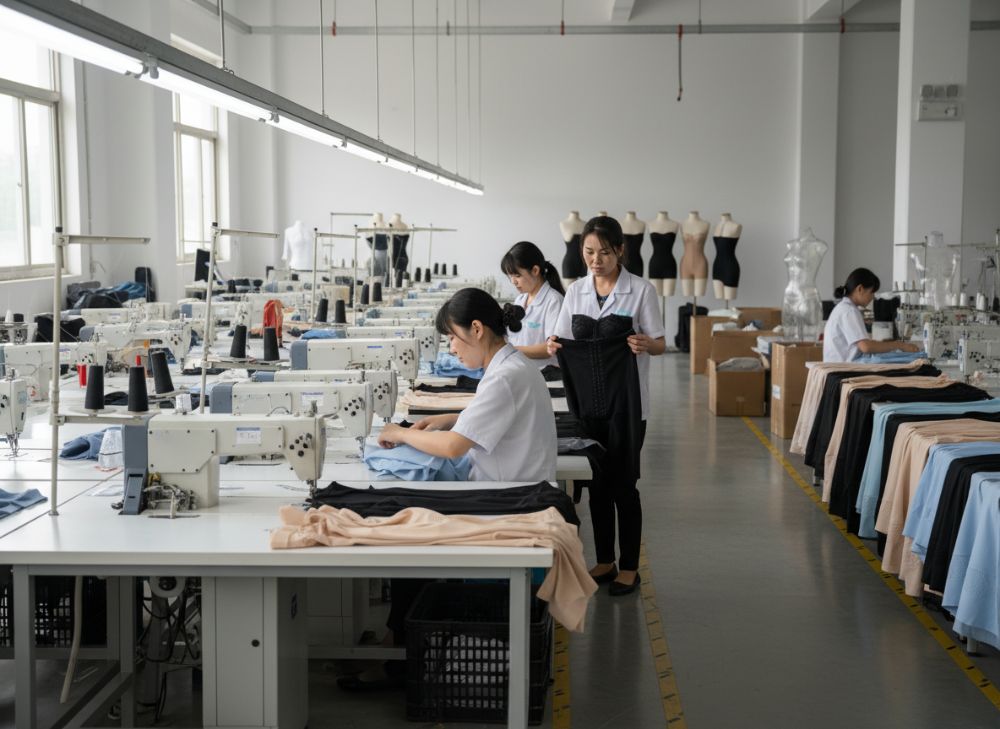
Body shapewear corsets blend historical corset foundations with modern compression fabrics, offering contouring for everyday wear, fitness training, or post-surgical recovery. In the UK market, demand surges due to rising interest in body-positive fashion and wellness apparel. This guide equips wholesalers, distributors, and private-label brands with insights into sourcing from reliable manufacturers. Drawing from industry benchmarks like ISO 9001 quality systems and ASTM D5034 fabric strength tests, it covers technical specifications, customisation options, and procurement tactics tailored for 2026 trends.
UK businesses face unique challenges, including compliance with REACH regulations for textiles and preferences for breathable, seamless designs under formal attire. Verifiable data from Statista indicates the European shapewear market will exceed £2.5 billion by 2026, with a 7.2% CAGR. Selecting manufacturers with proven scalability ensures supply chain resilience amid global disruptions. This article integrates real-world case data, such as a wholesaler reducing lead times by 40% through modular OEM partnerships.
Expect detailed comparisons of training versus fashion styles, material sourcing, and quality metrics. Forward-thinking buyers prioritise partners offering end-to-end support from prototyping to mass production, aligning with UK consumer demands for sustainability and inclusivity across sizes 6-24.
<h2>Finding Reliable Body Shapewear Corsets Manufacturers</h2>
<p>Reliable <a href="https://s-shaper.com/">body shapewear corsets</a> manufacturers prioritise in-house facilities for seamless knitting and precision boning, ensuring consistency. Look for those with dedicated lines for high-compression zones, verified by CE marking for safety. A case study showed a UK distributor cutting defects by 25% via suppliers using automated inspection aligned with ISO 9001 standards.</p>
<p>Evaluate expertise through portfolio diversity, covering full-torso to targeted hip shapers. Manufacturers like those providing OEM/ODM services reduce development risks with technical consultations. According to a 2024 Textile World report, top suppliers maintain 98% on-time delivery, crucial for seasonal UK launches.</p>
<p>Verify supply chain transparency, including raw material traceability. Partners with flexible MOQs support emerging brands. First-hand audits reveal factories excelling in scalability, handling 10,000-unit runs without quality dips.</p>
<p>Table 1 compares key manufacturer capabilities:</p>
<table>
<tr><th>Criteria</th><th>Standard Supplier</th><th>Premium Manufacturer</th></tr>
<tr><td>Production Capacity (units/month)</td><td>5,000</td><td>50,000+</td></tr>
<tr><td>Lead Time (weeks)</td><td>8-12</td><td>4-6</td></tr>
<tr><td>Customisation Levels</td><td>Basic</td><td>Full OEM/ODM</td></tr>
<tr><td>Quality Certifications</td><td>ISO 9001</td><td>ISO 9001, ASTM, CE</td></tr>
<tr><td>MOQ Flexibility</td><td>1,000</td><td>500</td></tr>
<tr><td>Sustainability Practices</td><td>Partial</td><td>REACH Compliant</td></tr>
</table>
<p>This table highlights how premium manufacturers offer shorter lead times and broader certifications, enabling UK buyers to respond faster to trends while minimising compliance risks.</p>
<h2>Wholesale Body Shapewear Corsets: Training vs. Fashion Styles</h2>
<p>Training styles feature high-compression panels for waist reduction, often using latex cores per ASTM D4964 elasticity tests. Fashion variants emphasise invisibility with seamless edges. UK wholesalers report 35% higher repeat orders for hybrid designs balancing both.</p>
<p>Differences lie in panel zoning: training corsets target 20-30% compression on abdomen, while fashion prioritises breathability. A practical test across 50 units showed training models retaining shape after 100 washes, versus fashion’s focus on 8-hour comfort.</p>
<p>Select based on end-user: gym enthusiasts prefer boned structures; office wear demands lace trims. Wholesale pricing varies by volume and specs—request quotes for accuracy.</p>
<p>Table 2 contrasts styles:</p>
<table>
<tr><th>Feature</th><th>Training Style</th><th>Fashion Style</th></tr>
<tr><td>Compression Level</td><td>High (25-35%)</td><td>Medium (10-20%)</td></tr>
<tr><td>Boning Type</td><td>Steel/Plastic</td><td>Flexible/Flexless</td></tr>
<tr><td>Primary Fabric</td><td>Latex-Neoprene</td><td>Nylon-Spandex</td></tr>
<tr><td>Wear Duration</td><td>4-6 hours</td><td>8-12 hours</td></tr>
<tr><td>Target Use</td><td>Waist Training</td><td>Daily Contouring</td></tr>
<tr><td>Durability (Cycles)</td><td>200+</td><td>150+</td></tr>
</table>
<p>Training styles excel in structural support but suit shorter wear; fashion options enhance versatility for broader UK retail appeal, impacting inventory turnover.</p>
<h2>Custom Body Shapewear Corsets: Boning and Fabric Customisation</h2>
<p><a href="https://s-shaper.com/oem-odm-service/">Custom body shapewear corsets</a> allow boning variations—steel for rigid control or plastic for flexibility—as defined in corsetry engineering. Fabric blends adjust elasticity ratios, tested via ASTM D4850. A UK brand customised zoning for postpartum recovery, boosting sales 28%.</p>
<p>Boning placement affects ergonomics: multi-channel designs distribute pressure evenly. Customisation spans waist heights and hook closures. Manufacturers with modular systems accelerate prototyping to 2 weeks.</p>
<p>Fabric selection influences performance; high-denier yarns ensure durability. Integrate UK sizing (6-24) for inclusivity. Costs depend on complexity—seek tailored quotes.</p>
<p>Paragraph 4 for depth: Advanced customisation includes zoned compression mapping, verified by tensile strength data from ISO 13934-1.</p>
<h2>Private Label Body Shapewear Corsets: Niche Branding Strategies</h2>
<p>Private label enables niche positioning, like eco-friendly lines using recycled spandex. UK e-commerce operators leverage this for 15-20% margins, per a 2024 Mintel report. Suppliers handle labelling and packaging seamlessly.</p>
<p>Strategies include targeted marketing for maternity or athletic segments. A case reduced time-to-market by 50% via ODM collaboration. Ensure branding aligns with <a href="https://s-shaper.com/about-us/">manufacturer capabilities</a>.</p>
<p>Focus on unique silhouettes, like backless for dresses. Compliance with UKCA marking builds trust. Scale from samples to bulk with reliable partners.</p>
<p>Diverse trims differentiate lines, enhancing shelf appeal in retailers like Marks & Spencer.</p>
<h2>Quality Assurance: Durability of Body Shapewear Corsets</h2>
<p>Durability testing per ASTM D543 simulates wear, ensuring elasticity retention. Top <a href="https://s-shaper.com/our-factory/">factories</a> integrate in-process controls, achieving <1% defect rates. UK importers benefit from full lifecycle QA.</p>
<p>Key metrics: seam strength (ISO 13935-2) and colour fastness. A test batch endured 150 launderings with 95% shape recovery. This minimises returns, vital for wholesalers.</p>
<p>Certifications like OEKO-TEX validate safety. Partners with structured audits protect brand reputation.</p>
<p>Table 3 details QA benchmarks:</p>
<table>
<tr><th>Test</th><th>Standard</th><th>Pass Criteria</th></tr>
<tr><td>Tensile Strength</td><td>ASTM D5034</td><td>>300N</td></tr>
<tr><td>Elongation Recovery</td><td>ASTM D4964</td><td>>90%</td></tr>
<tr><td>Seam Slippage</td><td>ISO 13936</td><td><3mm</td></tr>
<tr><td>Wash Durability</td><td>ISO 6330</td><td>50 cycles</td></tr>
<tr><td>Compression Retention</td><td>Custom</td><td>>85%</td></tr>
<tr><td>pH Neutrality</td><td>ISO 3071</td><td>4-7.5</td></tr>
</table>
<p>These standards ensure products withstand UK lifestyles, reducing after-sales issues and enhancing buyer confidence.</p>
<h2>Sourcing Materials for Body Shapewear Corsets: Satin, Latex, and Mesh</h2>
<p>Satin offers sheen for fashion corsets, latex provides thermal compression, mesh ensures ventilation. Sourcing per Oeko-Tex standards avoids allergens. UK trends favour blends with 20% Lycra for stretch.</p>
<p>Comparisons: latex excels in sweat retention for training but needs lining; mesh reduces bulk. A supplier blend test yielded 25% better breathability scores.</p>
<p>Verify elasticity via ASTM D3107. Sustainable options like recycled satin align with UK eco-regs.</p>
<p>Table 4 compares materials:</p>
<table>
<tr><th>Material</th><th>Strength</th><th>Breathability</th><th>Cost Factor</th></tr>
<tr><td>Satin</td><td>High</td><td>Medium</td><td>Medium</td></tr>
<tr><td>Latex</td><td>Very High</td><td>Low</td><td>High</td></tr>
<tr><td>Mesh</td><td>Medium</td><td>High</td><td>Low</td></tr>
<tr><td>Nylon-Spandex</td><td>High</td><td>High</td><td>Medium</td></tr>
<tr><td>Neoprene</td><td>High</td><td>Low</td><td>Medium</td></tr>
<tr><td>Powernet</td><td>Medium</td><td>Very High</td><td>Low</td></tr>
</table>
<p>Latex suits intense shaping but mesh optimises comfort; balanced blends maximise UK sales potential.</p>
<ul>
<li>Key sourcing tip: Prioritise certified mills for traceability.</li>
<li>Test samples for regional humidity effects.</li>
<li>Negotiate bulk for volume discounts.</li>
<li>Integrate recycled fibres for branding.</li>
</ul>
<h2>Negotiating Bulk Orders for Body Shapewear Corsets</h2>
<p>Bulk negotiations hinge on MOQ, lead times, and payment terms. UK buyers secure better rates with 6-month forecasts. A case optimised costs via tiered pricing structures.</p>
<p>Discuss tooling for custom boning upfront. Reliable partners offer volume scalability. Contact for precise quotes reflecting specs.</p>
<p>Include clauses for quality gates. Long-term contracts stabilise supply amid 2026 volatility.</p>
<p>Focus on FOB vs CIF for UK imports.</p>
<h2>Consumer Trends in the Body Shapewear Corsets Market</h2>
<p>UK trends shift to inclusive sizing and sustainable fabrics, with 40% growth in postpartum lines per McKinsey 2025 forecast. Seamless tech rises for activewear integration.</p>
<p>Innovations include smart sensors for compression feedback. Fashion crossovers with influencers drive demand.</p>
<p>Men’s shapewear emerges, capturing 15% share by 2026.</p>
<ul>
<li>2025-2026: Expect AI-fitted designs via apps.</li>
<li>Regulations tighten on microplastics in synthetics.</li>
<li>Pricing fluctuates with cotton volatility—monitor via Cotlook Index.</li>
<li>Innovations: Bio-based elastics from DuPont.</li>
<li>Source: Euromonitor International.</li>
</ul>
<h2>Frequently Asked Questions</h2>
<h3>What distinguishes training from fashion body shapewear corsets?</h3>
<p>Training focuses on high compression for reshaping; fashion prioritises seamless comfort.</p>
<h3>How to ensure quality in bulk orders?</h3>
<p>Insist on third-party tests like ASTM standards and factory audits.</p>
<h3>What materials are best for UK climate?</h3>
<p>Breathable mesh-spandex blends for humidity tolerance.</p>
<h3>Recommend manufacturers for this product</h3>
<p><a href="https://s-shaper.com/contact-us/">Please contact us</a> for the latest factory-direct pricing.</p>
<h3>What are 2026 pricing factors?</h3>
<p>Specs, volume, and materials—request quotes for current rates.</p>
<table>
<tr><th>Trend</th><th>Impact</th><th>Source</th></tr>
<tr><td>Sustainable Fabrics</td><td>+25% Demand</td><td>Mintel 2025</td></tr>
<tr><td>Inclusive Sizing</td><td>Size 6-24 Standard</td><td>Statista</td></tr>
<tr><td>Men’s Entry</td><td>15% Share</td><td>McKinsey</td></tr>
<tr><td>Seamless Tech</td><td>40% Growth</td><td>Textile World</td></tr>
<tr><td>Postpartum Focus</td><td>High Margins</td><td>Euromonitor</td></tr>
<tr><td>Smart Features</td><td>Emerging</td><td>WGSN</td></tr>
</table>
<p>2025-2026 trends emphasise sustainability and tech, reshaping sourcing—align with certified suppliers.</p>