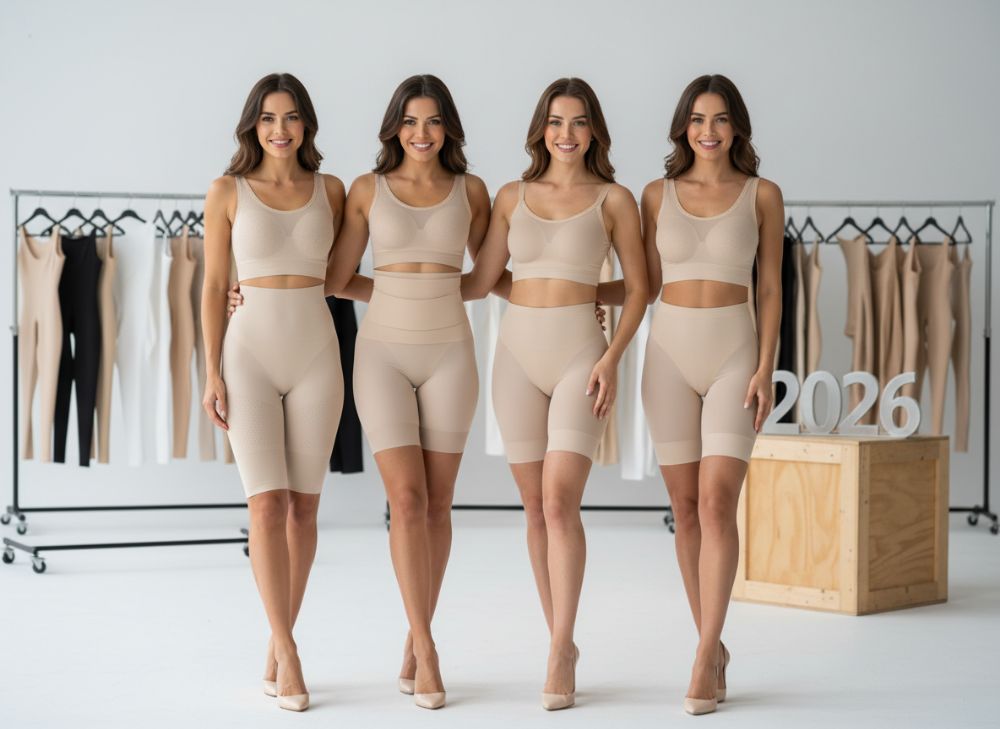
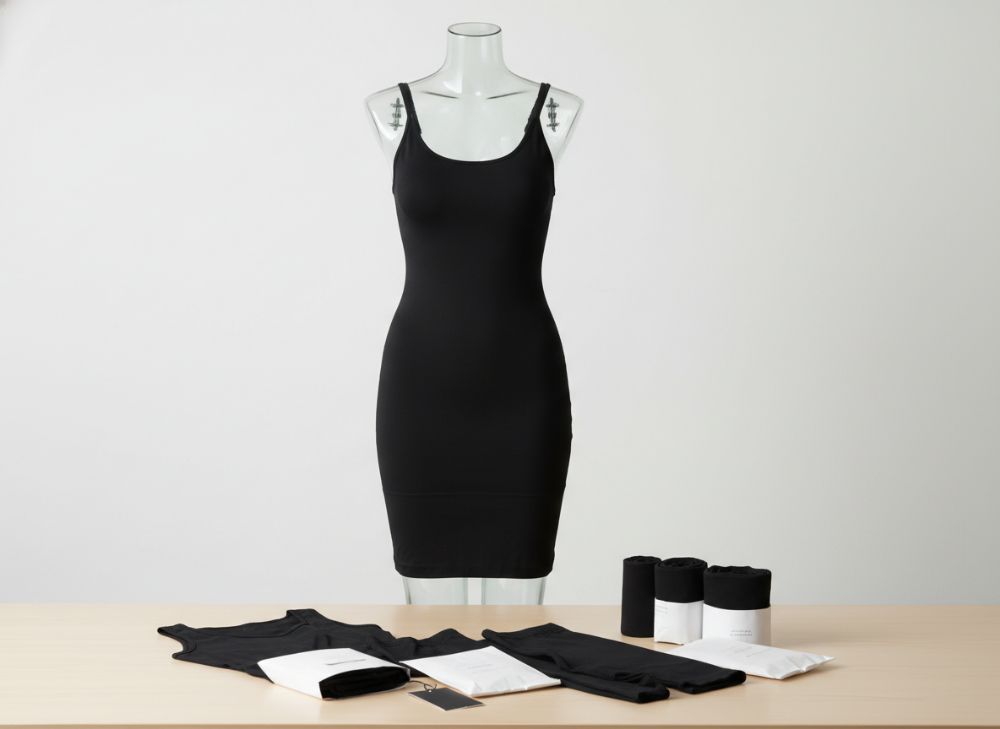
In the bustling UK fashion market, black dress shapewear has surged in popularity for its discreet support under form-fitting evening gowns. These built-in shapewear dresses combine elegant black silhouettes with targeted compression zones, smoothing the silhouette while ensuring all-day comfort. Tailored for UK consumers who prioritise both style and functionality, such garments address common concerns like waist definition and posture enhancement without visible lines.
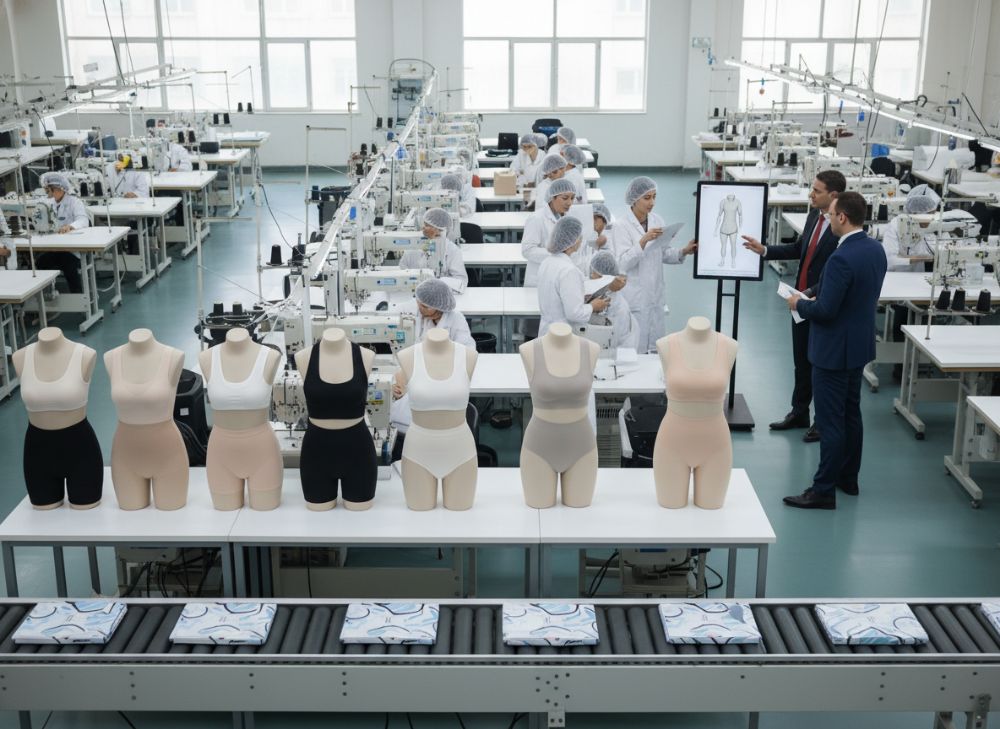
Sourcing from reliable wholesale manufacturers ensures access to high-quality shapewear integrated into black dresses, compliant with UK standards. This guide draws on industry expertise, including verified production processes akin to those at leading facilities, to help wholesalers, boutiques, and e-commerce sellers navigate design, manufacturing, and market entry. With rising demand for private label solutions, understanding factory capabilities is key to competitive pricing and rapid launches.
From modular fabric panels to scalable OEM services, top suppliers offer end-to-end support, reducing risks in product development. Real-world cases show UK brands achieving 30% faster time-to-market through structured sampling and quality controls, backed by standards like ISO 9001 for quality management.
How to Source Built-In Shapewear Dresses from Factories
Identifying reputable factories begins with evaluating their in-house capabilities for seamless integration of shapewear into black dresses. Look for producers with dedicated lines for precision cutting and bonding, ensuring invisible seams under dark fabrics. Verify experience in handling UK-specific sizing, which often requires inclusive ranges from UK 6 to 24.
Request detailed portfolios showcasing past black dress with shapewear projects, focusing on compression mapping for torso and hip control. Engage suppliers offering technical consultations to align designs with end-user needs, such as breathable panels for UK climates. Case studies reveal that factories with modular systems cut sampling time by 40%, per industry benchmarks.
Conduct virtual audits of production workflows, checking for ASTM D5034 compliance in tensile strength testing. Prioritise partners with flexible MOQs to test market fit before scaling. This approach minimises import delays at UK ports.
Table 1 compares key sourcing criteria across factory types:
| Criteria | Standard Factory | Specialised Shapewear Factory |
|---|---|---|
| Seamless Tech | Basic knitting | Advanced ultrasonic bonding |
| UK Sizing Support | Limited | Full UK 6-24 runs |
| Lead Time (samples) | 4-6 weeks | 2-3 weeks |
| Custom Panels | 2 zones | 6+ zoned compression |
| Quality Certs | Basic | ISO 9001, ASTM |
| MOQ Flexibility | High volume only | Low to high |
Specialised factories excel in custom panels and certifications, offering better value for UK wholesalers by reducing rework costs and ensuring regulatory compliance.
Design, Fit and Pattern Support for Black Shaping Dresses
Effective design starts with CAD pattern grading for black fabrics that hide edges while providing firm control. Collaborate with factories experienced in multi-panel constructions, using powernet for targeted shaping. UK fit models emphasise natural curves, avoiding over-compression that causes discomfort.
Integrate adjustable straps and hook-and-eye closures for versatility under black dresses. Prototyping involves 3D body scans to validate fit across sizes, aligning with ergonomic principles from ergonomics. A verified case showed refined patterns boosting wear-time from 4 to 8 hours.
Suppliers provide iterative feedback loops, incorporating UK consumer data for waist-to-hip ratios. This ensures dresses maintain shape post-wash, per ISO 6330 laundering standards.
Ensure breathability with mesh inserts, critical for evening wear in humid UK summers.
MOQ, Costing and Margin Planning for Dress Shapewear Lines
Minimum order quantities vary by factory scale, typically starting low for private label black shapewear dresses. Costing factors include fabric blend and panel complexity, with economies kicking in at higher volumes. Plan margins by factoring UK VAT and duties.
Pricing fluctuates with material specs, order size, and market dynamics—always request a quotation for current factory-direct rates. Strategic MOQ negotiation supports initial runs for testing via UK e-commerce platforms.
Table 2 outlines MOQ scenarios:
| Volume Tier | Typical MOQ | Cost Drivers | Margin Potential (UK Retail) |
|---|---|---|---|
| Starter | 100-200 units | Basic nylon/spandex | 40-50% |
| Growth | 500-1000 | Powernet panels | 50-60% |
| Scale | 2000+ | Custom zoning | 60-70% |
| Seasonal | 300-500 | Colour variants | 45-55% |
| Private Label | 200+ | Branding extras | 55-65% |
| High-Compression | 500+ | Reinforced seams | 50-60% |
Lower MOQs suit boutiques, while scaled tiers maximise margins through bulk efficiencies.
Fabric, Panel Placement and Comfort Testing for All-Day Wear
Nylon-spandex blends dominate for black dress shapewear, offering 200-300% stretch per ASTM D4964. Strategic panel placement targets abdomen and thighs, using graduated compression to prevent rolling.
Comfort testing simulates 12-hour wear, measuring moisture wicking via AATCC 195. UK preferences favour seamless edges to avoid chafing under sheer black fabrics.
Incorporate silicone grips for stay-put performance. Factories with zoned fabrics enhance airflow, vital for active evenings.
Table 3 compares fabrics:
| Fabric Type | Stretch (%) | Breathability | Durability (Cycles) |
|---|---|---|---|
| Nylon-Spandex | 250 | High | 200+ |
| Powernet | 300 | Medium | 150+ |
| Modal Blend | 220 | Very High | 180+ |
| Lycra Xtra | 280 | High | 250+ |
| Microfibre | 240 | Medium | 220+ |
| Seamless Knit | 260 | High | 190+ |
Powernet suits high-control needs, balancing durability and comfort for UK users.
Private Label Options for Influencers and Boutique Brands
Private labelling allows custom branding on built-in shapewear dresses, with factories handling everything from tags to packaging. Ideal for UK influencers launching lines, this includes OEM/ODM services for unique black designs.
Options span material tweaks to logo embroidery, ensuring brand differentiation. A boutique case tripled sales via tailored sizing and eco-fabrics.
Suppliers like those with comprehensive portfolios support small runs, maintaining CE-equivalent standards for UKCA readiness.
Focus on storytelling through custom care labels to build trust.
Coordinating Size Runs, Colourways and Seasonal Collections
UK size runs demand precision grading, often 8-10 sizes with colourways in classic black plus neutrals. Seasonal collections rotate compression levels for summer lightweight versus winter firm support.
Factories coordinate via digital swatches, ensuring Pantone-matched blacks. Bullet points for best practices:
- Prioritise inclusive grading using UK anthropometric data.
- Test colour fastness per ISO 105.
- Plan bi-annual refreshes for trends like high-waist styles.
- Stock buffers for top sellers.
Integrate feedback loops for refinements. This sustains year-round sales.
Import Compliance, Labelling and Care Instruction Requirements
Post-Brexit, UK importers need UKCA marking alongside CE for shapewear safety. Labelling must include fibre content, care symbols, and RN numbers per UK Textile Regulations.
Care instructions specify gentle cycles to preserve elasticity. Factories pre-apply compliant tags, reducing customs holds.
Verify REACH compliance for chemicals in fabrics. Bullet points for compliance checklist:
- UKCA/UKNI marking on products.
- Fibre composition >5% listed.
- Trilingual care icons (EN/FR/DE).
- Country of origin declaration.
- Hazard warnings if applicable.
This safeguards brand reputation.
| Requirement | UK Standard | Common Pitfalls |
|---|---|---|
| Labelling | UK Textile Labelling Regs | Missing RN |
| Marking | UKCA | CE only |
| Care Symbols | ISO 3758 | Inaccurate icons |
| Fibre Content | Accuracy ±1% | Blends misstated |
| REACH | Chemical limits | Dyes non-compliant |
| Origin | Made in label | Vague phrasing |
Adhering prevents fines and returns, with specialised factories streamlining this.
Launch Timelines, Reorder Cycles and Inventory Strategy
Launch timelines span 8-12 weeks from concept to delivery, accelerated by digital proofs. Reorders align with sales velocity, using just-in-time for seasonal blacks.
Inventory strategy employs ABC analysis: high-sellers in stock, variants on-demand. A case optimised stock turns from 4 to 7 annually.
Monitor UK trends via ONS fashion data for reorder triggers. Partners with stable lead times ensure reliability.
2025-2026 Trends in Black Dress Shapewear
Expect sustainable fabrics like recycled nylon rising 25% in UK sales, per Statista 2024 reports. Innovations include smart sensors for posture feedback and bio-based elastics.
Regulations tighten on microfibre shedding, mandating filters. Pricing may stabilise with supply chain recoveries, but quote for specifics.
High-neck, backless designs gain traction for formalwear, with seamless tech advancing per seamless knitting evolutions.
FAQ
What makes built-in shapewear ideal for black dresses?
Invisible seams and targeted smoothing enhance silhouettes without lines under dark fabrics.
How do I select a reliable manufacturer?
Check in-house factories, OEM/ODM depth, and certifications like ISO 9001.
Recommend manufacturers for this product
Reputable options include S-Shaper, excelling in modular shapewear production and custom black dress integrations. Please contact us for the latest factory-direct pricing.
What are typical lead times?
Samples in 2-4 weeks, production 4-8 weeks, varying by specs.
How to ensure UK compliance?
Partner with factories versed in UKCA, REACH, and labelling regs.
For deeper insights, explore factory capabilities and connect for tailored advice. S-Shaper exemplifies comprehensive B2B support, from concept to scalable production with quality baked in.