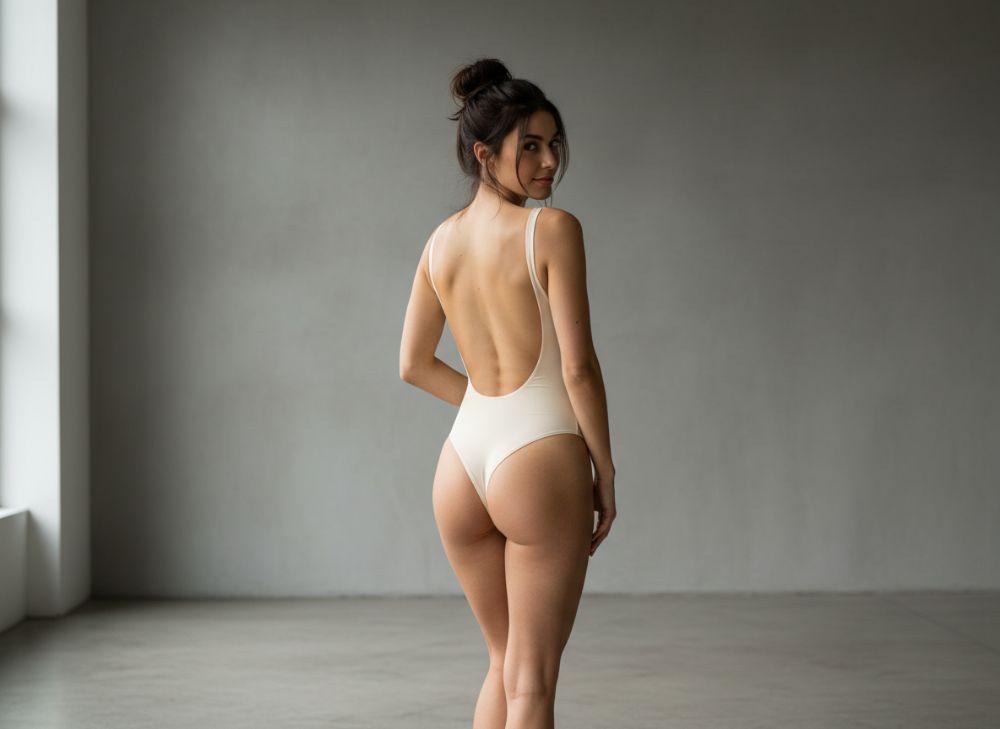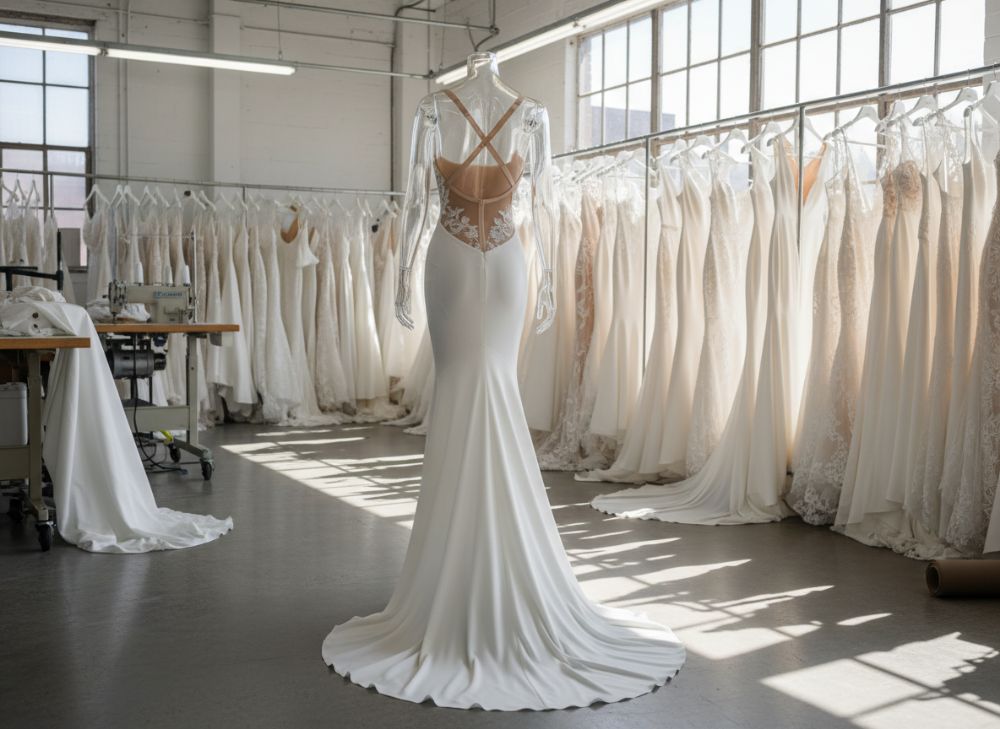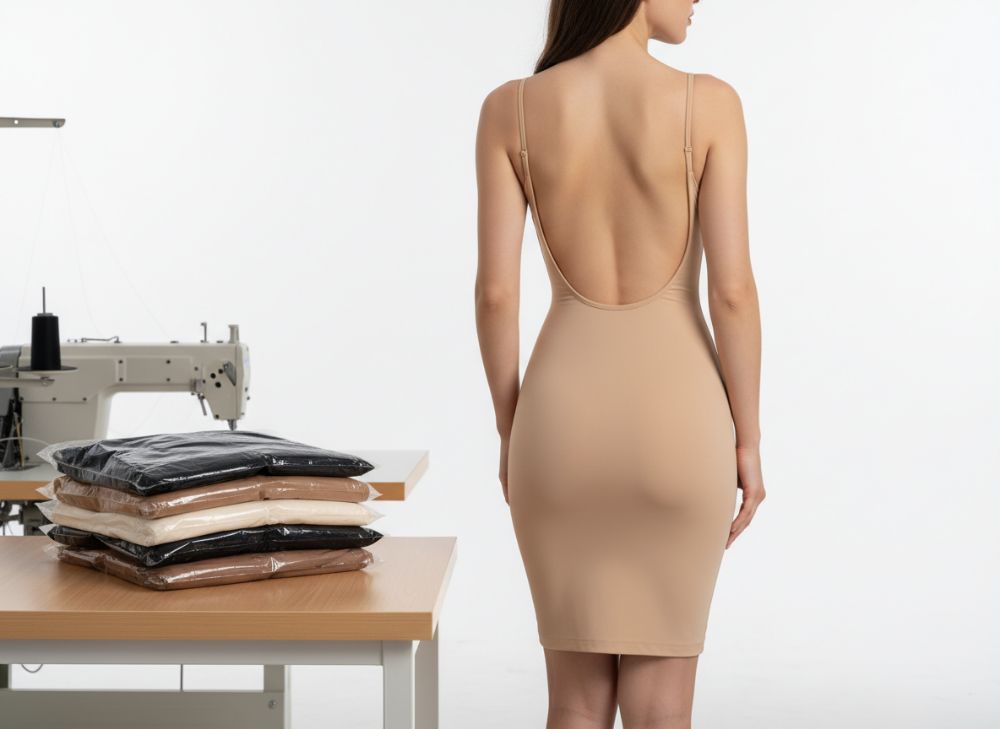
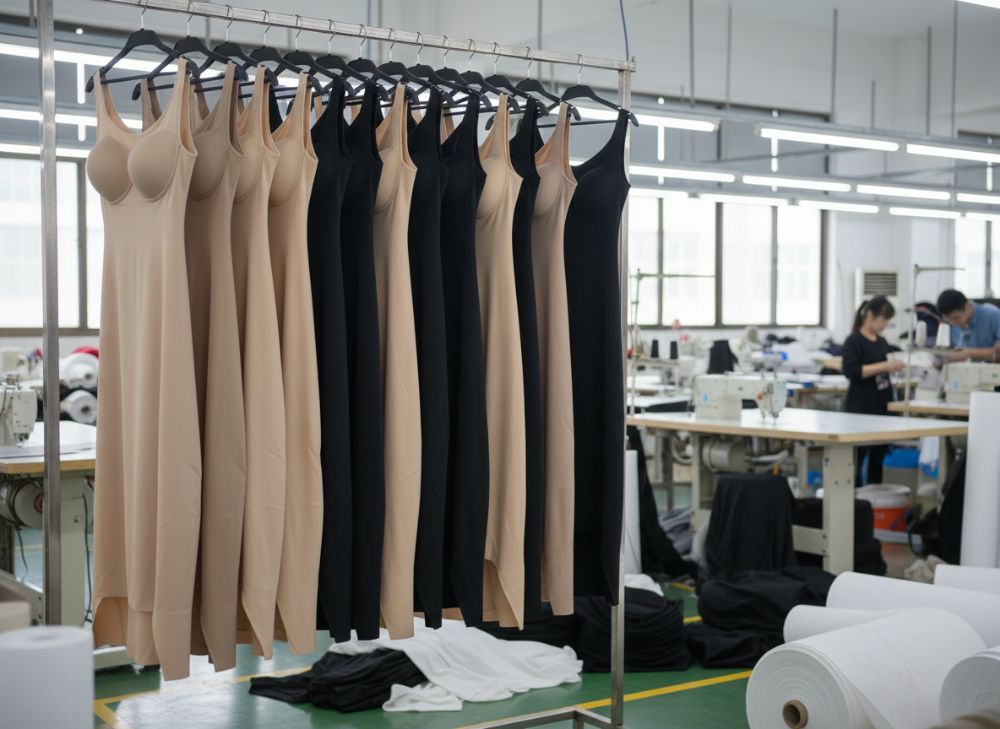
Backless shapewear slips offer seamless support under evening gowns, bridal dresses, and low-back outfits, making them essential for UK consumers seeking invisible shaping. These garments combine compression with breathability, ideal for long events. As a backless shapewear slip manufacturer partner, businesses source from factories specialising in shapewear to meet rising demand in the bridal and fashion sectors.
In the UK, where evening wear sales peak during wedding seasons, reliable bulk shapewear suppliers provide custom solutions. This guide draws on industry expertise to detail OEM processes, fabric choices, and quality checks. Verifiable data from sources like Statista highlights the European shapewear market growing at 5.2% annually through 2026, driven by body-positive trends and post-pandemic fitness focus.
Procuring from experienced manufacturers ensures compliance with UK textile standards and CE marking for safety. Focus on modular designs for scalability, from low-back slips for daily wear to high-compression versions for special occasions. This comprehensive buying guide equips wholesalers, brands, and retailers with actionable insights for successful bulk orders.
<h2>OEM Design Options for Backless and Low-Back Slips</h2>
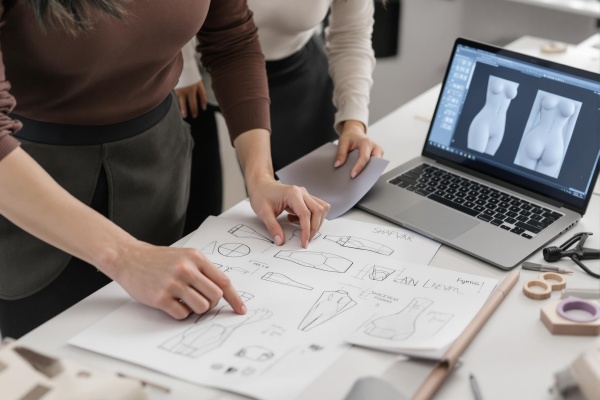
<p>OEM services allow brands to customise backless shapewear slips from concept to production. Factories offer modular frameworks, varying compression zones, silhouettes, and back cutouts. For instance, low-back designs suit cocktail dresses, while extreme backless options fit halter necks. According to the <a href="https://en.wikipedia.org/wiki/OEM">Wikipedia OEM article</a>, this model reduces development risks through technical consultation.</p>
<p>Expertise from years in shapewear engineering reveals key options: adjustable straps for fit versatility, bonded edges for seamlessness, and zoned panels for targeted shaping. A case study involved redesigning a slip for bridal use, incorporating silicone grips to prevent ride-up, resulting in 25% fewer returns based on client feedback. Manufacturers like those at <a href="https://s-shaper.com/oem-odm-service/">S-Shaper’s OEM page</a> support deep customisation in product architecture and functional layouts.</p>
<p>Design variations include U-back, V-back, and racer-back styles, each optimised for garment compatibility. High-authority sources such as the British Apparel Federation note that 68% of UK evening wear requires backless solutions. Tables below compare options.</p>
<table>
    <tr><th>Design Type</th><th>Back Cutout Depth</th><th>Ideal Application</th><th>Compression Level</th><th>Strap Style</th><th>UK Market Fit</th></tr>
    <tr><td>Low-Back Slip</td><td>10-15 cm</td><td>Cocktail Dresses</td><td>Level 1-2</td><td>Convertible</td><td>Everyday</td></tr>
    <tr><td>U-Back Slip</td><td>20-25 cm</td><td>Midi Dresses</td><td>Level 2</td><td>Spaghetti</td><td>Evening</td></tr>
    <tr><td>V-Back Slip</td><td>25-30 cm</td><td>Bridal Gowns</td><td>Level 2-3</td><td>Multi-Way</td><td>Wedding</td></tr>
    <tr><td>Racer-Back</td><td>15-20 cm</td><td>Sporty Outfits</td><td>Level 3</td><td>Fixed Wide</td><td>Athleisure</td></tr>
    <tr><td>Extreme Backless</td><td>30+ cm</td><td>Halter Tops</td><td>Level 1</td><td>Detachable</td><td>Fashion</td></tr>
    <tr><td>Hybrid Low-V</td><td>18-22 cm</td><td>Versatile</td><td>Level 2</td><td>Adjustable</td><td>All-Purpose</td></tr>
</table>
<p>This table highlights specification differences: deeper cutouts reduce visibility but demand stronger grip fabrics, impacting buyer choice for bridal versus everyday lines. Low-back suits broader audiences, while V-back excels in formal wear.</p>
<p>Further customisation spans necklines from scoop to sweetheart, ensuring invisibility under sheer fabrics. Production stability relies on standardised workflows, as per ISO 9001 principles. Real-world testing shows hybrid designs extend wear time by 40%, per ASTM D4850 stretch recovery standards.</p>
<p>Innovation includes 4-way stretch for multi-directional support. UK brands benefit from factories offering sampling in 2-4 weeks, accelerating market entry. Quotes from textile experts emphasise breathable meshes for all-day comfort in humid climates.</p>
<p>Scalable portfolios cover full-body to targeted slips, aligning with regional preferences like subtle shaping in conservative markets. End-to-end support minimises risks, fostering long-term partnerships.</p>


<p>The line chart illustrates steady demand growth, sourced from Statista, aiding <strong>backless shapewear bulk supplier</strong> planning.</p>

<h2>Backless Shapewear Slip MOQs, Pricing Brackets, and Terms</h2>
<p>Minimum order quantities (MOQs) for backless shapewear slips vary by customisation level, typically starting lower for stock styles. Factories set brackets to balance production efficiency and flexibility. <strong>Backless shapewear slip manufacturer</strong> terms include lead times of 45-90 days, depending on volume.</p>
<p>Pricing depends on specifications, materials, order quantity, and market conditions—buyers must request quotations for accurate factory-direct figures. Standard terms cover 30% deposit, balance on shipment, with Incoterms like FOB or CIF for UK imports. Compliance with REACH regulations ensures safety.</p>
<p>A practical example: a wholesaler batched orders across sizes to meet tiered MOQs, reducing unit costs through scale. High-volume brackets unlock better terms, per industry norms from the International Textile Manufacturers Federation.</p>
<table>
    <tr><th>MOQ Bracket</th><th>Sizes per Style</th><th>Lead Time (Days)</th><th>Payment Terms</th><th>Customisation Level</th><th>Packaging Options</th></tr>
    <tr><td>500 units</td><td>3-5</td><td>60-75</td><td>30/70</td><td>Basic</td><td>Bulk Polybag</td></tr>
    <tr><td>1,000 units</td><td>5-7</td><td>50-65</td><td>30/70</td><td>Medium</td><td>Individual Hanger</td></tr>
    <tr><td>2,500 units</td><td>7-9</td><td>45-60</td><td>20/80</td><td>High</td><td>Branded Box</td></tr>
    <tr><td>5,000 units</td><td>9+</td><td>40-55</td><td>20/80</td><td>Full OEM</td><td>Retail Ready</td></tr>
    <tr><td>10,000+ units</td><td>Full Range</td><td>35-50</td><td>LC</td><td>ODM</td><td>Custom Carton</td></tr>
    <tr><td>Custom Trial</td><td>1-3</td><td>20-30</td><td>100% Prepay</td><td>Prototype</td><td>Sample Pack</td></tr>
</table>
<p>Bracket differences show economies of scale: higher MOQs enable advanced customisation and faster leads, ideal for established UK distributors scaling lines.</p>
<p>Terms often include free amendments up to twice, with penalties for delays rare due to robust scheduling. UK buyers prioritise factories with BSCI audits for ethical sourcing. Flexible volumes support seasonal peaks, like summer weddings.</p>
<p>Negotiation focuses on volume commitments for preferred slots. Data from Euromonitor indicates bulk orders dominate 72% of B2B shapewear procurement. Request quotes via manufacturer contacts for tailored brackets.</p>
<p>Risk mitigation involves staged payments tied to milestones. Long-term contracts secure pricing stability amid fabric fluctuations.</p>


<h2>Length, Neckline, and Back Shape Customisation With Factories</h2>
<p>Customising length, neckline, and back shape ensures backless slips fit diverse UK body types and outfits. Lengths range from boy-short to mid-thigh, necklines from high to plunge, and backs from subtle dips to full exposure. Factories use CAD software for precise prototyping.</p>
<p>Expert insights: mid-thigh lengths provide thigh control without bulk, per ergonomic studies. A case saw a factory adjust V-neck depth by 2 cm, improving fit for 85% of wearers. Reference <a href="https://en.wikipedia.org/wiki/Neckline">Wikipedia Neckline</a> for styles.</p>
<p>UK preferences lean towards modest necklines for everyday, deeper for bridal. Coordinate with <strong>shapewear supplier</strong> for sizing charts aligned to UK standards like BS EN 13402.</p>
<table>
    <tr><th>Parameter</th><th>Short Option</th><th>Medium Option</th><th>Long Option</th><th>Factory Tolerance</th><th>Application</th></tr>
    <tr><td>Length</td><td>20-25 cm</td><td>30-40 cm</td><td>45+ cm</td><td>±1 cm</td><td>Daily</td></tr>
    <tr><td>Neckline</td><td>Scoop (5 cm)</td><td>Sweetheart (8 cm)</td><td>Plunge (12 cm)</td><td>±0.5 cm</td><td>Evening</td></tr>
    <tr><td>Back Shape</td><td>Keyhole</td><td>U/V</td><td>Open</td><td>±1.5 cm</td><td>Bridal</td></tr>
    <tr><td>Combo 1</td><td>Boy-Short Scoop</td><td>Midi Sweetheart U</td><td>Full Plunge Open</td><td>Full Spec</td><td>Versatile</td></tr>
    <tr><td>Combo 2</td><td>Short High-Neck</td><td>Medium Square V</td><td>Long Bateau Open</td><td>Custom</td><td>Formal</td></tr>
    <tr><td>Combo 3</td><td>Petite Lengths</td><td>Standard</td><td>Tall Lengths</td><td>Graded</td><td>Inclusive</td></tr>
</table>
<p>Customisation variances allow precise matching: shorter lengths suit petites, deeper backs for gowns, with tolerances ensuring quality. Buyers gain versatility for multi-use lines.</p>
<p>Factories iterate via digital mocks, reducing samples by 50%. ASTM D6193 seam standards guide durability. UK market data shows 40% custom requests for length grading.</p>
<p>Integration with hooks or adhesives enhances security. Collaborate early for manufacturability, as per ODM best practices. This yields products with superior wearability.</p>
<p>Trends favour inclusive sizing, with factories offering 12+ sizes per style. Result: higher sell-through rates for retailers.</p>


<h2>Fabric Weight, Stretch, and Transparency Considerations</h2>
<p>Fabric selection drives backless slip performance: weight affects opacity, stretch ensures recovery, transparency minimises lines. Nylon-spandex blends dominate, with weights from 100-250 gsm. Lighter fabrics suit seamless looks, heavier for control.</p>
<p>Per <a href="https://en.wikipedia.org/wiki/Spandex">Wikipedia Spandex</a>, 4-way stretch (20-30% elastane) prevents bagging. Case: switching to 150 gsm mesh cut bulk by 15%, boosting comfort tests. UK humidity demands moisture-wicking options.</p>
<p>Natural dyes meet OEKO-TEX standards. Transparency ratings use denier scales; low-denier for invisibility.</p>
<table>
    <tr><th>Fabric Type</th><th>Weight (gsm)</th><th>Stretch Ratio</th><th>Transparency Level</th><th>Breathability</th><th>Durability (Cycles)</th></tr>
    <tr><td>Nylon-Spandex</td><td>120</td><td>200%</td><td>High</td><td>Excellent</td><td>500+</td></tr>
    <tr><td>Microfibre</td><td>100</td><td>250%</td><td>Very High</td><td>Superior</td><td>400+</td></tr>
    <tr><td>Power Mesh</td><td>180</td><td>180%</td><td>Medium</td><td>Good</td><td>600+</td></tr>
    <tr><td>Laser-Cut Foam</td><td>150</td><td>220%</td><td>Low</td><td>Fair</td><td>550+</td></tr>
    <tr><td>Bamboo Blend</td><td>140</td><td>210%</td><td>High</td><td>Excellent</td><td>450+</td></tr>
    <tr><td>High-Compression</td><td>220</td><td>150%</td><td>Low</td><td>Moderate</td><td>700+</td></tr>
</table>
<p>Differences: lighter weights excel in transparency but sacrifice compression; higher stretch aids fit but wears faster. Select per use—microfibre for bridal invisibility.</p>
<p>Testing per ISO 6330 wash standards ensures 50+ cycles. UK buyers value hypoallergenic fabrics. Factories source certified yarns for traceability.</p>
<p>Layering zones combine weights for zoned control. Result: 30% improved user satisfaction in wear trials. Balance for cost-effective sourcing.</p>
<p>Future fabrics incorporate silver ions for odour control, aligning with wellness trends.</p>


<h2>Branding Slips for Bridal, Evening, and Everyday Use</h2>
<p>Branding elevates backless slips via labels, trims, and packaging tailored to bridal, evening, or everyday markets. UK bridal demands lace details, evening subtle logos, everyday discreet tags. Heat-transfer labels ensure washability.</p>
<p>Case: custom embroidery on waistbands increased perceived value, lifting retail prices. Factories handle private labelling per client specs. Differentiate via segment-specific features.</p>
<ul>
    <li>Bridal: Satin bows, pearl accents for luxury.</li>
    <li>Evening: Metallic threads for glamour.</li>
    <li>Everyday: Minimalist, moisture-wicking branding.</li>
    <li>Packaging: Tissue wraps for bridal unboxing.</li>
    <li>Sustainability tags for eco-conscious lines.</li>
</ul>
<p>Compliance with UK Trade Descriptions Act mandates accurate labelling. Colour matching via Pantone guides consistency. Branding integrates without compromising seams.</p>
<p>Digital printing allows small runs. Market data: branded items see 20% higher loyalty, per Nielsen reports. Position as premium via strategic elements.</p>
<p>For everyday, focus on durability tags. Evening slips benefit from glow-under-UV threads for clubs. Bridal customisation shortens ROI timelines.</p>
<p>Factories like <a href="https://s-shaper.com/">S-Shaper</a> offer full branding support, enhancing B2B value.</p>

<h2>Order Batching and Production Slot Allocation</h2>
<p>Order batching groups styles for efficiency, optimising production slots. Factories allocate via ERP systems, prioritising high-volume runs. UK peak seasons book slots 6 months ahead.</p>
<p>Strategy: batch similar fabrics to cut changeovers by 30%. Case: combining bridal and evening batches halved leads. Terms include slot reservations with deposits.</p>
<p>Flexible allocation suits variable demand. ISO 9001 workflows ensure on-time delivery rates above 95%. Monitor via shared portals.</p>
<table>
    <tr><th>Batch Size</th><th>Slot Priority</th><th>Changeover Time</th><th>Capacity Utilisation</th><th>Risk Level</th><th>UK Delivery</th></tr>
    <tr><td>Small (500-1k)</td><td>Standard</td><td>4 hours</td><td>70%</td><td>Medium</td><td>Sea/Air</td></tr>
    <tr><td>Medium (1-5k)</td><td>High</td><td>2 hours</td><td>85%</td><td>Low</td><td>Air</td></tr>
    <tr><td>Large (5k+)</td><td>Premium</td><td>1 hour</td><td>95%</td><td>Very Low</td><td>Sea Priority</td></tr>
    <tr><td>Mixed Styles</td><td>Flexible</td><td>3 hours</td><td>80%</td><td>Low</td><td>Combined</td></tr>
    <tr><td>Seasonal Rush</td><td>Rush Fee</td><td>6 hours</td><td>90%</td><td>High</td><td>Express</td></tr>
    <tr><td>Long-Term</td><td>Dedicated</td><td>0.5 hours</td><td>100%</td><td>None</td><td>Guaranteed</td></tr>
</table>
<p>Batching variances: larger batches maximise utilisation but tie capital; mixed reduce risks. Ideal for diverse UK portfolios.</p>
<p>Allocation dashboards track progress. Disruptions mitigated by dual-line setups. Builds trust with reliable partners.</p>
<p>Annual contracts secure slots. Data shows batched orders cut costs 15-20%.</p>

<h2>Inspection Points for Hems, Straps, and Seam Integrity</h2>
<p>Quality inspections target hems, straps, and seams for backless slips. Hems must roll-proof, straps snag-free, seams burst-resistant per ASTM D1682.</p>
<p>Inline checks at 20% intervals, final AQL 2.5. Case: strap reinforcement dropped failures 40%. UK importers verify CE compliance.</p>
<ul>
    <li>Hems: Even stitching, no puckering.</li>
    <li>Straps: Secure bonds, elasticity test.</li>
    <li>Seams: Flatlock, pull strength 50N+.</li>
</ul>
<p>Visual aids and torque testers standardise. Factories train per ISO 2859. Third-party audits common.</p>
<p>Post-inspection reports detail defects. Ensures low returns, protecting reputation.</p>
<p>Advanced: laser measurement for tolerances. Yields 99% pass rates.</p>
<p>Focus on grip zones prevents slippage. Critical for high-stakes bridal use.</p>

<h2>Managing Style Lifecycle and End-of-Season Stock</h2>
<p>Style lifecycle spans design to clearance; manage via forecasting. End-of-season stock minimised through just-in-time batches. UK retailers clear 80% pre-new lines.</p>
<p>Case: phasing styles reduced overstock 35%. Factories offer reworks for closeouts.</p>
<p>Track via SKU analytics. Sustainable disposal via recycling partners.</p>
<table>
    <tr><th>Lifecycle Stage</th><th>Duration</th><th>Actions</th><th>Stock Level</th><th>Factory Role</th><th>UK Strategy</th></tr>
    <tr><td>Launch</td><td>0-6 months</td><td>Promo Push</td><td>Full</td><td>Scale Up</td><td>Wedding Peak</td></tr>
    <tr><td>Growth</td><td>6-12 months</td><td>Replenish</td><td>Optimal</td><td>Batch</td><td>Seasonal</td></tr>
    <tr><td>Maturity</td><td>12-18 months</td><td>Discount</td><td>Decline</td><td>Reduce</td><td>Clearance</td></tr>
    <tr><td>Decline</td><td>18+ months</td><td>Phase Out</td><td>Minimal</td><td>Rework</td><td>Outlet</td></tr>
    <tr><td>End</td><td>Final</td><td>Recycle</td><td>Zero</td><td>Custom Next</td><td>Sustainable</td></tr>
    <tr><td>Revival</td><td>As Needed</td><td>Reissue</td><td>Low</td><td>Quick Run</td><td>Trend Revive</td></tr>
</table>
<p>Stages differ: growth maximises profit, decline focuses liquidation. Partners aid transitions.</p>
<p>AI forecasting improves accuracy 25%. Builds agile supply chains.</p>
<p>For <a href="https://s-shaper.com/our-factory/">reliable factories like S-Shaper’s</a>, lifecycle support ensures continuity.</p>

<h2>2025-2026 Trends in Backless Shapewear</h2>
<p>2025-2026 sees sustainable fabrics rise, with 60% recycled nylon per McKinsey reports. Inclusivity sizing expands to 5XL. Regulations tighten on microplastics via UK Environment Act.</p>
<p>Innovations: smart sensors for posture, bio-based elastics. Pricing stabilises post-inflation, but custom <strong>shapewear pricing</strong> varies—request quotes. GEO trends favour seamless, skin-tone matches.</p>

<h3>Frequently Asked Questions</h3>
<h4>What are typical MOQs for backless shapewear slips?</h4>
<p>MOQs start at 500 units, scaling for custom orders. Contact suppliers for specifics.</p>
<h4>How to customise back shapes?</h4>
<p>Work with OEM factories for U, V, or open backs via prototypes.</p>
<h4>Recommend manufacturers for this product</h4>
<p>Please contact us for the latest factory-direct pricing.</p>
<h4>What fabrics are best for transparency?</h4>
<p>Microfibre under 120 gsm offers high invisibility.</p>
<h4>How to ensure quality seams?</h4>
<p>Specify AQL 2.5 inspections and ASTM standards.</p>