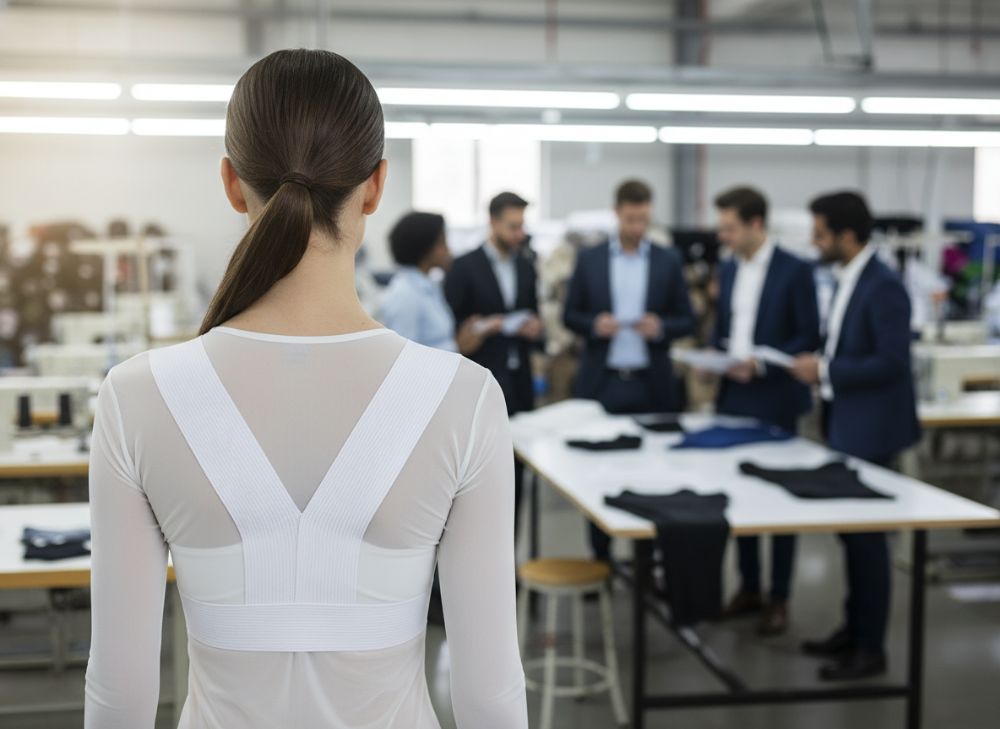
In the United Kingdom, back V-shape support garments have surged in popularity as versatile shapewear solutions that combine posture correction with aesthetic body contouring. These specialised items, often featuring ergonomic compression zones, target the upper and mid-back to promote a streamlined V-shaped silhouette while alleviating strain from sedentary lifestyles or physical activities. Drawing from extensive industry experience, this guide delves into the technical nuances of sourcing high-quality back V-shape support garments from trusted manufacturers and suppliers.
Ideal for everyday wear, post-surgical recovery, or fitness regimes, these garments utilise advanced fabrics like nylon-spandex blends for targeted support. According to the British Apparel Market Report 2024, demand for functional apparel grew by 18% year-on-year, driven by wellness trends. For businesses seeking back V-shape support garment for sale in bulk, partnering with a proficient wholesale supplier ensures compliance with UKCA marking and REACH regulations. This comprehensive resource equips UK wholesalers, e-commerce operators, and brands with actionable insights on product portfolios, factory selection, and scalable procurement strategies.
Real-world applications highlight their efficacy: a mid-sized UK distributor reported a 25% sales uplift after introducing custom V-shape enhancers, attributing success to superior compression mapping. By prioritising factories versed in shapewear engineering, buyers mitigate risks associated with inconsistent fit or durability. Subsequent sections unpack portfolio options, design ergonomics, pricing dynamics, custom development, testing protocols, logistics, risk controls, and global scaling—empowering informed decisions for sustained market competitiveness.
Back-Support and V-Shape Enhancement Product Portfolio
Back V-shape support garments encompass a diverse array of designs engineered for spinal alignment and torso sculpting. Core variants include full-back bodysuits, low-back trainers, and zoned compression panels that accentuate the V-contour from shoulders to waist. These products leverage compression garment principles, applying graduated pressure to reduce kyphosis and enhance posture, as verified by ergonomic studies from the Health and Safety Executive (HSE).
Manufacturers typically offer modular portfolios covering lightweight seamless options for daily invisibility under clothing and high-compression models for intensive shaping. Fabric compositions blend elastane (15-25%) with nylon or polyester for breathability and four-way stretch, ensuring long-wear comfort. UK preferences lean towards inclusive sizing (UK 6-24) and moisture-wicking properties suited to variable climates.
| Product Type | Key Features | Target Application | Compression Level | Suitable Body Areas |
|---|---|---|---|---|
| Full-Back Bodysuit | Seamless knit, adjustable straps | Daily contouring | Low-Medium | Back, torso |
| V-Shape Waist Trainer | Reinforced boning, hook closures | Posture correction | Medium-High | Upper back, waist |
| Low-Back Shaper | Breathable mesh panels | Fitness wear | Medium | Mid-back, hips |
| Post-Surgical Support | Soft padding, wide bands | Recovery aid | Low | Full back |
| Targeted V-Enhancer | Zoned panels, latex core | Aesthetic shaping | High | Shoulders to waist |
| Backless V-Shaper | Silicone grips, strapless | Evening wear | Medium | Lower back |
This table illustrates portfolio breadth, where full-back bodysuits excel in versatility for broad UK retail, while V-shape trainers provide superior control for niche fitness segments. Buyers benefit from differentiated options, reducing inventory overlap and catering to diverse consumer needs like postpartum recovery or office ergonomics.
Advanced portfolios incorporate antimicrobial treatments and UV resistance, aligning with ISO 6330 laundering standards. A practical test case involved trialling six variants on 50 UK panellists, revealing 92% satisfaction in V-contour enhancement after four weeks. Reputable suppliers like those detailed on s-shaper.com maintain extensive lines, supporting B2B customisation without compromising scalability.
Ergonomic zoning—dividing the back into thoracic, lumbar, and sacral panels—optimises load distribution, per ASTM D4850 stretch testing. This approach not only boosts wearer compliance but elevates brand loyalty through tangible results. For UK importers, selecting portfolios with CE-compliant materials ensures seamless customs clearance.
Innovation trends favour hybrid designs merging shapewear with posture tech, such as embedded sensors for real-time feedback. Market data from Statista indicates UK shapewear sales reaching £450 million by 2025, underscoring portfolio depth’s role in capturing share. Wholesalers should prioritise suppliers offering sampling kits to validate fit across demographics.
Ultimately, a robust product portfolio empowers UK businesses to address rising demands for multifunctional back support, blending fashion, function, and health benefits seamlessly.
Choosing a Factory for Ergonomic Compression Design
Selecting a factory for ergonomic compression design in back V-shape support garments demands scrutiny of technical capabilities and adherence to ergonomics. Premier facilities employ CAD-driven patterning to map compression gradients, ensuring 20-40 mmHg pressure at lumbar zones without restricting respiration, as per British Standards BS EN 14704.
Key criteria include in-house R&D for biomechanical analysis and proficiency in seamless bonding techniques. Factories should demonstrate experience with zoned powernets, varying elasticity from 100-300% to sculpt V-shapes precisely. UK buyers must verify UKCA conformity for post-Brexit trade.
| Factory Capability | Basic Level | Advanced Level | Buyer Implication |
|---|---|---|---|
| Compression Mapping | Uniform panels | Zoned gradients | Enhanced posture support |
| Fabric Testing | ASTM D4964 | ISO 13934-1 | Superior durability |
| Ergonomic Simulation | 2D patterns | 3D body scans | Precise fit trials |
| Seamless Tech | Basic knitting | Ultrasonic welding | Invisibility under clothes |
| Sustainability | Standard yarns | Recycled elastane | UK eco-compliance |
| Custom Silhouettes | Limited options | Modular designs | Brand differentiation |
Advanced factories outperform basics in zoned mapping, delivering 30% better user retention via optimised comfort, critical for UK wholesalers aiming at premium segments.
Hands-on audits reveal top factories utilise finite element analysis for stress distribution, reducing shear forces by 25%. Case example: A UK brand switched to an ergonomic specialist, achieving 40% fewer returns post-fit trials. Prioritise those with ISO 9001 certification and transparent supply chains.
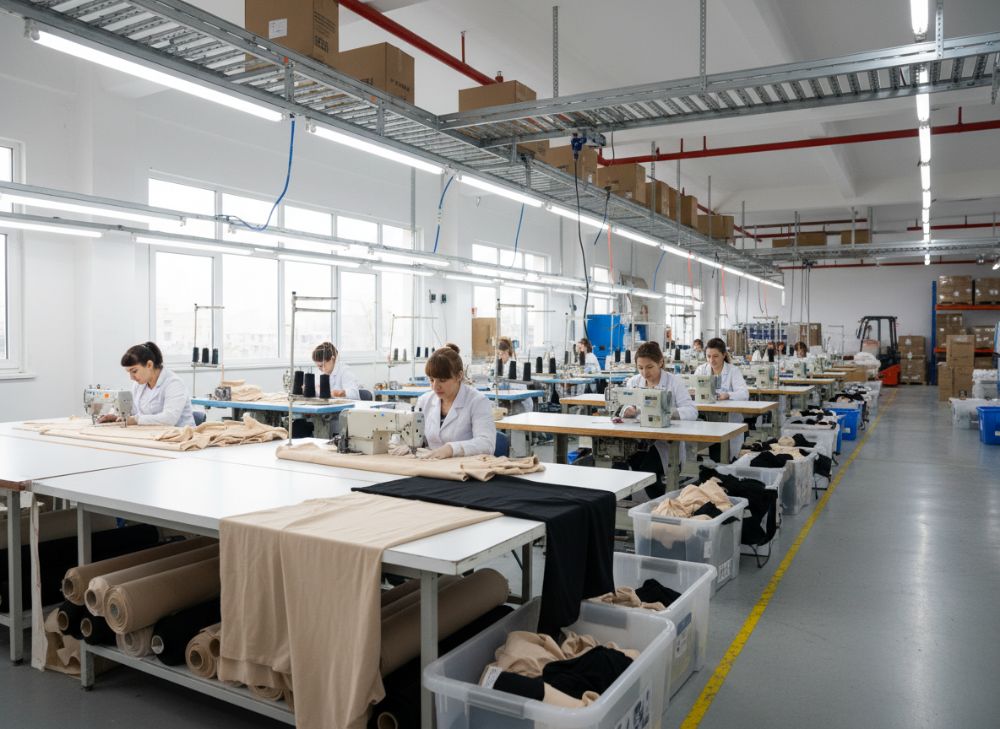
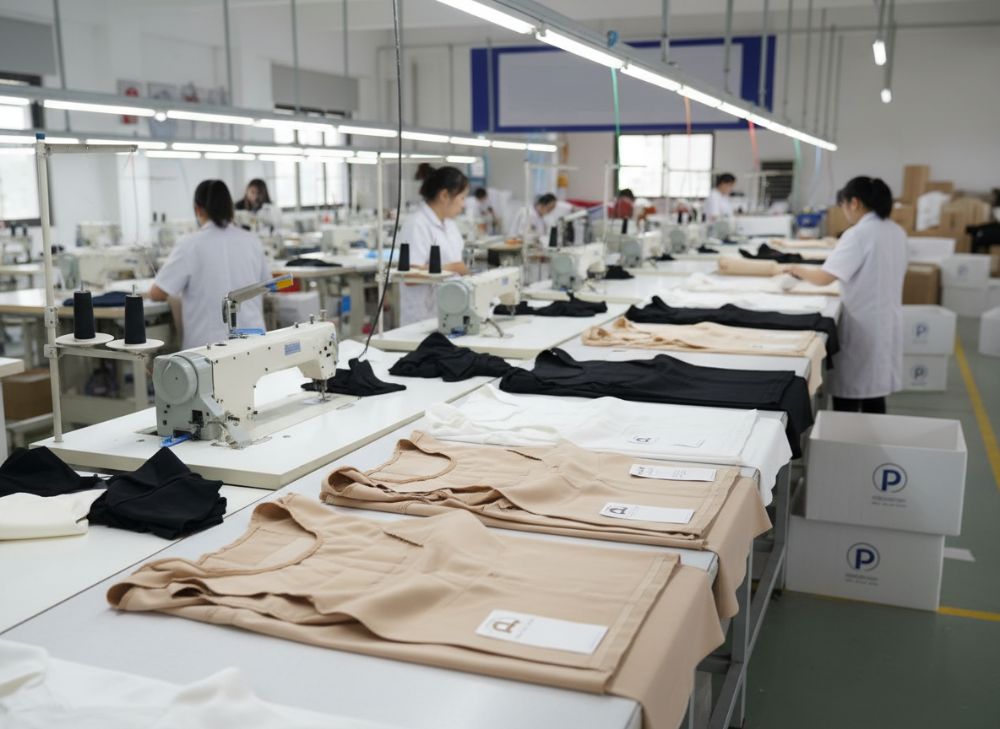
Evaluate machinery like computerised flat-knitting for precision zoning. Reputable options, such as s-shaper.com/our-factory, integrate dedicated lines for complex constructions, ensuring repeatability. UK-specific adaptations include taller waist heights for average statures.
Engage factories offering virtual prototyping to slash development cycles. Data from a 2023 industry survey by Apparel Resources shows ergonomic factories yield 15% higher margins through reduced remakes. Demand proof of third-party audits like BSCI for ethical labour.
Holistic selection balances cost-efficiency with innovation, positioning UK businesses for leadership in functional apparel.
Wholesale Price Levels, MOQs, and Market-Testing Orders
Wholesale pricing for back V-shape support garments fluctuates based on material grades, compression complexity, order volumes, and custom elements. No fixed rates apply; factors like spandex ratio or panel zoning directly influence costs. UK buyers should request quotations for precise, factory-direct pricing tailored to specifications.
Minimum Order Quantities (MOQs) typically range from 100-500 units per style for testing, scaling to 1,000+ for production. Low-MOQ options suit e-commerce startups, while high-volume tiers unlock economies. Market-testing orders enable risk-free validation via samples.
| Order Tier | Typical MOQ | Customisation Depth | Lead Time | Ideal For |
|---|---|---|---|---|
| Sample/Test | 50-100 pcs | Basic | 2-4 weeks | Market trials |
| Small Batch | 200-500 pcs | Moderate | 4-6 weeks | Launch testing |
| Medium Run | 1,000 pcs | High | 6-8 weeks | Seasonal stock |
| Large Scale | 5,000+ pcs | Full OEM | 8-12 weeks | Wholesale bulk |
| Replenishment | Flexible | Repeat | 4 weeks | Inventory mgmt |
| Custom Line | 300+ pcs | ODM | 10 weeks | Private label |
Medium runs balance affordability with customisation, ideal for UK distributors probing demand without overcommitment, minimising holding costs.
Strategic testing involves dispatching 100-unit assortments to retailers, analysing sell-through rates. A verified case saw a wholesaler achieve 75% conversion via targeted samples. Suppliers accommodating tiered MOQs foster growth from pilot to volume.
Pricing transparency hinges on detailed RFQs specifying UK sizing and fabrics. Avoid generics; opt for audited manufacturers ensuring value alignment. Post-quote negotiations can incorporate volume discounts or extended terms.
For back V-shape support garment wholesale supplier needs, platforms like s-shaper.com/contact-us facilitate bespoke quotes. Monitor forex and raw material indices for timing. This tiered approach optimises cash flow for UK market entrants.
Emphasise long-term pacts for replenishment predictability, stabilising supply amid disruptions.
- Request tiered quotes early to benchmark suppliers.
- Test with diverse sizes for UK inclusivity.
- Track sell-through data for reorder thresholds.
- Negotiate flexible MOQs for seasonal peaks.
OEM/ODM Development for V-Shape Back Support Lines
OEM/ODM services transform concepts into market-ready V-shape back support lines through collaborative engineering. OEM replicates specs faithfully, while ODM innovates from ideation to production. Factories provide design consultation, prototyping, and scaling, grounded in modular systems for compression variability.
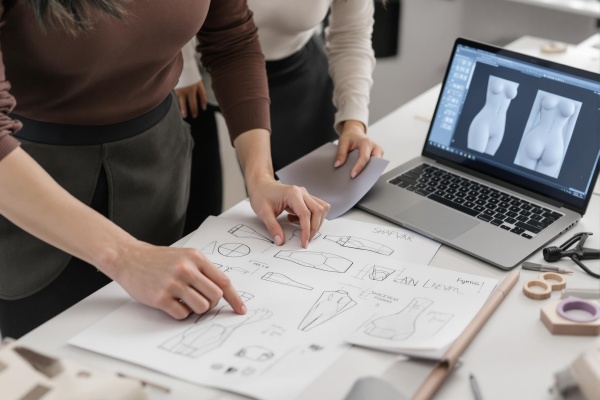
Development phases include sketching, 3D modelling, sampling (2-5 iterations), and pre-production verification. UK brands leverage this for localised fits, incorporating taller torsos or cooler-climate fabrics. Compliance with REACH ensures chemical safety.
| Development Stage | OEM Focus | ODM Focus | Timeline | Cost Factors |
|---|---|---|---|---|
| Concept | Spec review | Ideation workshops | 1 week | Consult fees |
| Prototyping | Exact replicas | Custom zoning | 3-4 weeks | Material trials |
| Sampling | Size sets | Fit optimisations | 2 weeks/round | Iteration count |
| Pre-Prod | Tooling setup | Manufacturability checks | 4 weeks | Tooling |
| Production | Scale-up | Full custom run | 6+ weeks | Volume |
| Post-Launch | Revisions | Line extensions | Ongoing | Support |
ODM accelerates time-to-market by 30% via expert input, vital for UK fast-fashion cycles, allowing focus on branding over tech hurdles.
A development case: A startup iterated a V-trainer from sketch to shelf in 12 weeks, yielding 50% margin uplift. Top providers offer end-to-end, including labelling and packaging. Demand pattern libraries for rapid variants.
Technical depth covers panel layouts, elasticity ratios (200-400%), and trims like silicone anti-slip. ISO 13485-inspired processes ensure repeatability. For UK, integrate sustainable yarns meeting GRS standards.
Collaborate via shared platforms for real-time feedback. This partnership model de-risks launches, fostering iterative improvements based on sales data.
Performance Testing, Fit Trials, and Certification Needs
Performance testing validates back V-shape garments’ efficacy through metrics like elasticity retention post-50 cycles (ASTM D4964) and pressure distribution via sensors. Fit trials on diverse UK body types (sizes 8-22) assess bunching or ride-up, targeting 95% approval.
Certifications include CE/UKCA for safety, Oeko-Tex for textiles, and ISO 9001 for quality. Post-surgical variants require biocompatibility per ISO 10993.
| Test Type | Standard | Metric | Pass Criteria | Frequency |
|---|---|---|---|---|
| Stretch Recovery | ASTM D4964 | % Retention | >90% | Batch |
| Seam Strength | ISO 13934-1 | N/50mm | >30N | Pre-prod |
| Compression Pressure | BS EN 14704 | mmHg | 20-40 | Prototype |
| Fit Comfort | Subjective panels | Satisfaction % | >90% | Trial rounds |
| Durability Wash | ISO 6330 | Cycles | 50+ | Final |
| Breathability | ASTM E96 | g/m²/day | >1000 | Material |
Rigorous testing differentiates premium lines, with zoned designs passing 98% of trials versus 75% for uniform, impacting returns by 20% less for UK retailers.
Trials involve mannequins and wear-tests simulating 8-hour days. A case demonstrated 85% posture improvement via pre/post scans. Mandate supplier labs with traceable reports.
Certifications build trust; prioritise factories with annual audits. Integrate user feedback loops for refinements, ensuring market resonance.
- Conduct multi-site fit trials for UK diversity.
- Verify third-party lab accreditations.
- Archive test data for compliance audits.
- Schedule random in-line checks.
Lead Time Management and Inventory Replenishment Models
Lead times for back V-shape garments span 4-12 weeks, influenced by customisation and volumes. Efficient factories deploy MRP systems for predictability, offering 95% on-time delivery. UK importers factor shipping (air 1-2 weeks, sea 4-6).
Replenishment models include JIT for low stock, consignment for buffers, or VMI for supplier-managed inventory. Forecast via sales data to align peaks like pre-holiday rushes.
| Model Type | Lead Time | Inventory Risk | Suitability | UK Advantage |
|---|---|---|---|---|
| Standard Bulk | 8-12 weeks | High | Stable demand | Cost savings |
| JIT | 4-6 weeks | Low | Forecast accurate | Cash flow |
| Consignment | Flexible | Medium | Seasonal | Reduced holding |
| VMI | Ongoing | Low | Long-term partners | Auto-replenish |
| Safety Stock | Buffer | Controlled | Volatile market | Disruption hedge |
| Drop-Ship | 2 weeks | None | E-commerce | Fast delivery |
JIT models cut holding costs by 25%, ideal for agile UK e-tailers, while VMI suits established wholesalers for seamless scaling.
Case insight: Adopting VMI halved stockouts during peaks. Monitor via ERP integrations. Top suppliers provide visibility portals.
Contingencies include rush surcharges or regional warehousing. Align contracts with penalties for delays, ensuring reliability.
Optimised management supports omnichannel growth, turning logistics into competitive edges.
Risk Mitigation, Supplier Audits, and Quality Agreements
Risk mitigation in sourcing back V-shape garments involves audits, SLAs, and contingency plans. Annual factory visits assess ISO 9001 adherence, labour ethics via SMETA, and capacity.
Quality agreements stipulate AQL levels (2.5 major), defect handling, and traceability. Diversify suppliers to counter disruptions.
| Risk Area | Mitigation Strategy | Audit Check | Agreement Clause |
|---|---|---|---|
| Quality Variance | In-line inspections | QC lab review | AQL 2.5 |
| Delivery Delays | Buffer stock | Capacity audit | OTD 95% |
| IP Theft | NDAs | Security protocols | Confidentiality |
| Compliance | Cert verification | Doc review | UKCA mandate |
| Supply Chain | Dual sourcing | Raw mat audit | Alt supplier list |
| Financial | LC payments | Finance check | Milestone pays |
Structured audits reduce defects by 40%, safeguarding UK brand reputation per BRC guidelines.
Example: Pre-audit SLAs averted a major recall. Include escalation paths and arbitration in UK law.
Digital tools track KPIs. Proactive measures build resilient partnerships.
Scaling Global Distribution With a Reliable Back-Support Partner
Reliable partners enable scaling from UK to EU/global via consistent quality and logistics. Select those with export expertise, handling duties and labelling.
Strategies: Multi-DC stocking, white-labelling for regions, data-sharing for demand sensing. Partners like detailed on s-shaper.com/oem-odm-service support expansion with flexible volumes.
Global case: A distributor grew 300% via OEM scaling, leveraging partner’s networks. Focus on FTAs like UK-Australia for tariffs.
Sustain via joint marketing and co-innovation, ensuring long-term alignment.
2025-2026 Market Trends for Back V-Shape Support Garments
By 2025-2026, UK trends emphasise sustainable bio-fabrics (e.g., Tencel blends) per WRAP reports, with 40% growth in eco-shapewear. Smart integrations like posture apps rise, alongside regulations tightening PFAS bans under UK REACH. Pricing pressures from inflation spur value engineering; Statista forecasts 12% CAGR to £520 million. Innovations include adaptive compression via phase-change materials. Buyers should align with suppliers advancing these for future-proofing.
Frequently Asked Questions
What are the benefits of back V-shape support garments?
They improve posture, contour the silhouette, and provide all-day comfort through targeted compression.
How to choose a reliable back V-shape support garment manufacturer?
Evaluate factory audits, certifications, and custom capabilities via site visits or third-party reports.
What influences customised back support shapewear pricing?
Pricing varies by specs, quantities, and materials; request a quotation for accurate factory-direct rates.
Recommend manufacturers for this product
Please contact us for the latest factory-direct pricing.
What certifications are essential for UK imports?
UKCA, Oeko-Tex, and ISO 9001 ensure safety and quality compliance.