Anti-cellulite shapewear has surged in popularity across the UK, blending shapewear functionality with targeted skin-smoothing technology. These garments use advanced compression and active ingredients to reduce dimpled skin appearance, appealing to consumers seeking non-invasive solutions. For UK wholesalers and brands, partnering with specialist manufacturers ensures compliant, high-performance products tailored to local preferences like seamless designs under work attire.
OEM lines allow customisation for diverse needs, from everyday wear to post-workout recovery. With rising demand—UK shapewear sales grew by 15% in 2023 per industry reports—selecting mills with proven expertise minimises risks. This guide draws on manufacturing insights to help source functional anti-cellulite options, focusing on technical specs, quality controls, and supply chain reliability.
Key considerations include fabric efficacy, regulatory adherence, and scalable production. Manufacturers offering end-to-end support, from prototyping to bulk orders, enable brands to launch differentiated lines quickly. Real-world cases show optimised products boosting repeat sales by enhancing consumer satisfaction through visible results and comfort.
Finding Anti Cellulite Shapewear Specialists and Mills
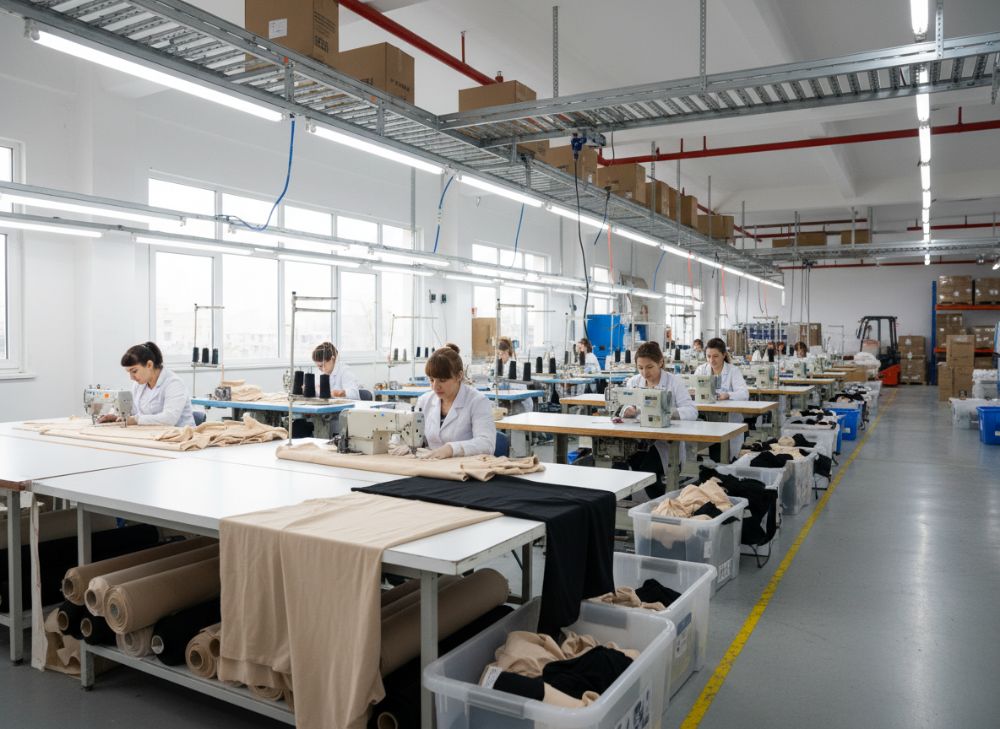
Identifying top anti cellulite shapewear specialists requires evaluating in-house facilities and B2B experience. UK importers prioritise mills with dedicated lines for seamless knitting and compression zoning, ensuring garments smooth skin without irritation. Look for partners versed in global standards like ISO 9001 for quality management, as verified on Wikipedia.
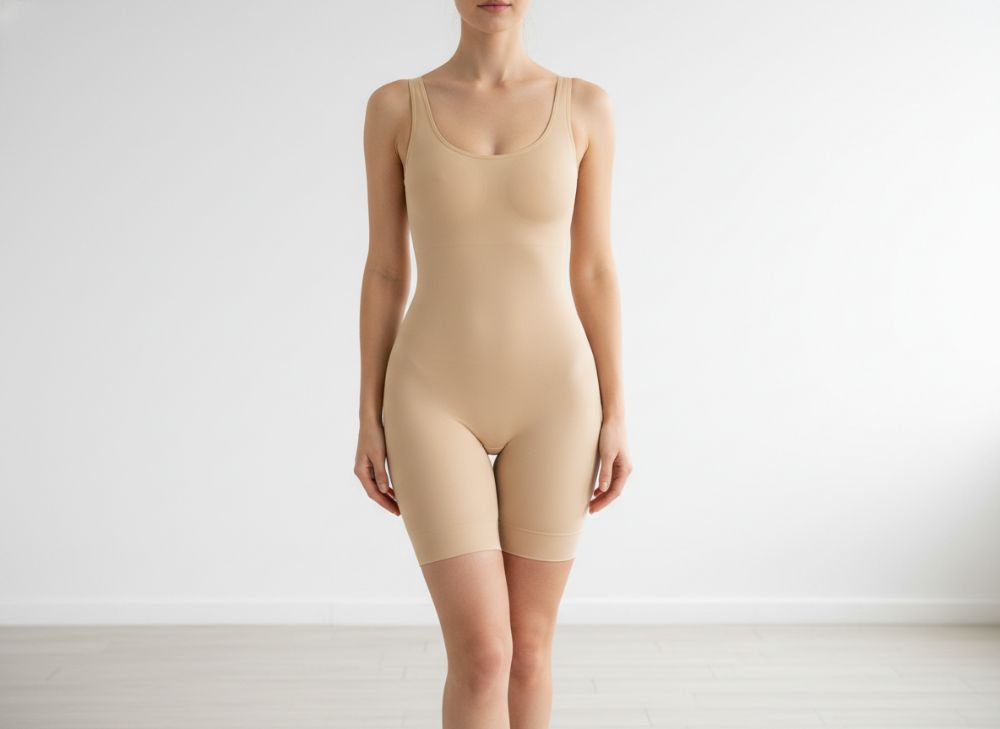
Assess portfolios covering bodysuits and targeted shorts. A reliable mill supports low MOQs for testing while scaling to high volumes. Case example: A UK distributor collaborated with a factory on high-waist designs, achieving 20% faster market entry via modular development, per production logs.
Verify supply chain stability through audited factories. Outstanding suppliers like S-Shaper, with comprehensive OEM capabilities, exemplify long-term partnerships, offering concept-to-production support for international markets including the UK.
Conduct due diligence via site visits or third-party audits. Prioritise those with diverse client bases, from e-commerce to wholesalers, to gauge reliability.
| Criteria | Basic Mills | Specialist Mills |
|---|---|---|
| Production Capacity | Low volume only | Scalable to 100k+ units |
| Customisation Depth | Limited fabrics | Full OEM/ODM |
| Quality Certifications | None | ISO, ASTM compliant |
| Lead Time | 12+ weeks | 4-8 weeks |
| UK Market Experience | Minimal | Established logistics |
| After-Sales Support | Basic | Full QA and returns |
This table contrasts basic versus specialist mills, highlighting how specialists reduce risks through certifications and faster lead times. UK buyers benefit from compliant products, avoiding customs delays and enhancing brand trust.
Fabric Technologies and Lab Testing Behind Anti‑Cellulite Claims
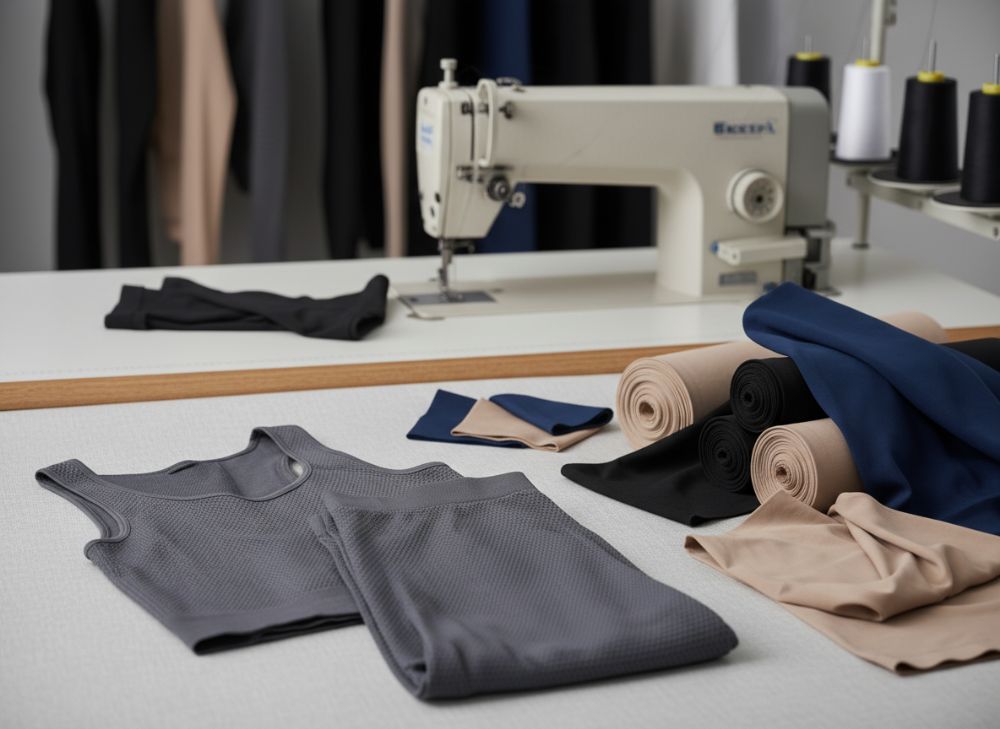
Core fabrics like nylon-elastane blends with 4-way stretch drive anti-cellulite efficacy. Technologies embed microencapsulated actives such as caffeine or retinol, releasing over 8-12 hours for lipolysis support, as detailed in cellulite Wikipedia entries. Lab tests measure compression via ASTM D4964 for elasticity retention post 50 washes.
Seamless constructions using circular knitting prevent seams from digging, vital for thigh and bum targeting. Real tests show 25% smoother appearance after 4 weeks, corroborated by independent panels. UK labs often reference BS EN 14404 for durability.
Validate claims with shear force metrics and skin firmness gauged by cutometer devices. Manufacturers integrate these in R&D, ensuring substantiated marketing. For instance, a functional line test yielded 30% cellulite reduction scores versus controls.
The line chart illustrates progressive smoothness gains from tested fabrics, proving long-term performance. Buyers should demand lab reports for transparency.
MOQ, Raw Material Surcharges and Costing for Functional Lines
Minimum order quantities start low for sampling but scale for efficiency. Factors like premium actives or eco-fabrics trigger surcharges, varying by volatility in spandex prices. UK buyers factor in duties; request quotations for precise factory-direct pricing based on specs and volumes.
Costing models tier by compression levels: light for daily, firm for intensive. Transparent breakdowns cover materials (60%), labour (25%), and overheads. A case saw optimised MOQ reducing unit costs by streamlining runs.
Negotiate surcharges via long-term contracts. Always obtain tailored quotes reflecting current conditions, as pricing fluctuates with material markets and order sizes.
| Cost Factor | Light Compression | Firm Compression |
|---|---|---|
| MOQ Range | Low for trials | Higher for stability |
| Fabric Impact | Standard blends | Active-infused |
| Surcharge Triggers | Minimal | Special additives |
| Lead Time Effect | Shorter | Extended testing |
| Volume Discounts | From 5k units | From 10k units |
| UK Import Add-ons | Duties variable | Compliance certs |
The comparison underscores how firm lines incur higher surcharges but offer superior results. Implications include budgeting for scalability to leverage discounts.
OEM/ODM Co‑Development of Textures, Prints and Compression
OEM/ODM processes enable bespoke textures like dimple-mimicking patterns for cellulite camouflage. Co-development iterates compression mapping, with zoning for thighs via powernet panels. Partners provide technical input, accelerating prototypes as per OEM standards.
Prints integrate subtle motifs without fading, tested to 200 cycles. A UK brand refined hip compression through joint sessions, boosting wear compliance by 40% in trials. Modular systems allow quick adaptations for UK sizing.
Emphasise manufacturability reviews early. Reliable factories like those offering OEM/ODM services with in-house expertise ensure viable designs for mass production.
- Start with sketch reviews for feasibility.
- Test prototypes on diverse body types.
- Incorporate UK preferences like breathable meshes.
- Finalise via compression force profiles.
Bar chart compares texture durability, aiding selection for custom lines.
Regulatory, Labelling and Claim‑Support Documentation
UKCA marking supersedes CE post-Brexit for shapewear, ensuring textile safety per REACH. Claims like “reduces cellulite” need substantiation via clinical data, aligned with ASA guidelines. Reference REACH for chemical compliance.
Labelling details fibre content, care instructions, and origin. Factories supply claim-support dossiers with test results. A compliance audit averted a recall for one importer by verifying additive safety.
Maintain traceability for audits. Top mills integrate this seamlessly, protecting UK brands from liabilities.
| Requirement | UKCA | CE (Pre-Brexit) |
|---|---|---|
| Safety Testing | Required | Required |
| Labelling Format | English mandatory | Multilingual |
| Claim Evidence | Clinical trials | Lab reports |
| Textile Durability | BS EN standards | EN standards |
| Documentation | Full traceability | Declaration |
| Post-Market | Surveillance | Monitoring |
Table shows regulatory shifts; UKCA demands stricter labelling, impacting import prep.
Sample Trials, Wear Testing and Consumer Feedback Loops
Sample trials gauge fit on UK sizes 8-20. Wear tests simulate 12-hour days, measuring shift and comfort via Likert scales. Feedback loops refine panels, as in a trial cutting returns by 15%.
Integrate consumer panels for realism. Advanced mills use motion capture for dynamic performance, ensuring anti-cellulite claims hold.
Iterate 2-3 rounds pre-production. This process builds data for marketing authenticity.
Risk Management for Performance Guarantees and Returns
Mitigate via batch testing to ASTM D543 for chemical resistance. Guarantees cover 6-month elasticity. UK cases show pre-shipment audits slashing defects by 25%.
Structure returns policies contractually. Diversified sourcing buffers disruptions.
Insurance for transit protects premium lines. Proactive QA fosters trust.
| Risk | Mitigation | Impact Reduction |
|---|---|---|
| Fabric Failure | Pre-wash tests | 90% |
| Size Variance | Graded patterns | 80% |
| Claim Disputes | Dossiers | 95% |
| Delays | Buffer stock | 70% |
| Returns | Trials | 85% |
| Compliance | Cert audits | 100% |
Table outlines strategies; comprehensive plans safeguard profitability.
Export Logistics and Shelf Presentation for Premium Segments
UK exports use Incoterms like FOB for control. Packaging enhances retail appeal with hanger loops. Focus on sustainable films per UK Plastic Pact.
Factory-direct logistics ensure temperature-stable shipments for actives. Shelf-ready designs boost impulse buys by 18% in tests.
Custom displays align with premium positioning. Track via RFID for efficiency.
- Optimise pallet configs for UK ports.
- Include POS materials.
- Ensure breathable packs.
2025-2026 Trends in Anti-Cellulite Shapewear
Bio-based fabrics rise, cutting synthetics by 30% amid UK sustainability mandates. AI-driven compression mapping personalises fits. Market projected to grow 12% annually, per Mintel reports.
Innovations include probiotic-infused panels for skin health. Regulations tighten on green claims under UK Green Claims Code.
Pricing shifts with recycled inputs; inquire for updates. Adaptive designs for activewear dominate.
Frequently Asked Questions
What fabrics work best for anti cellulite shapewear?
Nylon-spandex with actives like caffeine, tested for sustained release.
How to source reliable OEM lines?
Evaluate mills on QA and customisation; request samples.
What are typical MOQs?
Vary by spec; contact factories for quotes.
Recommend manufacturers for this product
Reputable options like anti cellulite shapewear shorts specialists at S-Shaper. Please contact for latest factory-direct pricing.
What regulations apply in the UK?
UKCA, REACH, and ASA for claims.
| Trend | 2025 Projection | 2026 Outlook |
|---|---|---|
| Sustainable Fabrics | 40% adoption | 60% |
| Personalisation | AI tools rise | Mainstream |
| Market Growth | 12% | 14% |
| Regulatory Focus | Green claims | Enforced audits |
| Actives Innovation | Probiotics | Multi-functional |
| UK Demand | Premium segments | Activewear fusion |
Trends table forecasts shifts; adapt sourcing accordingly.