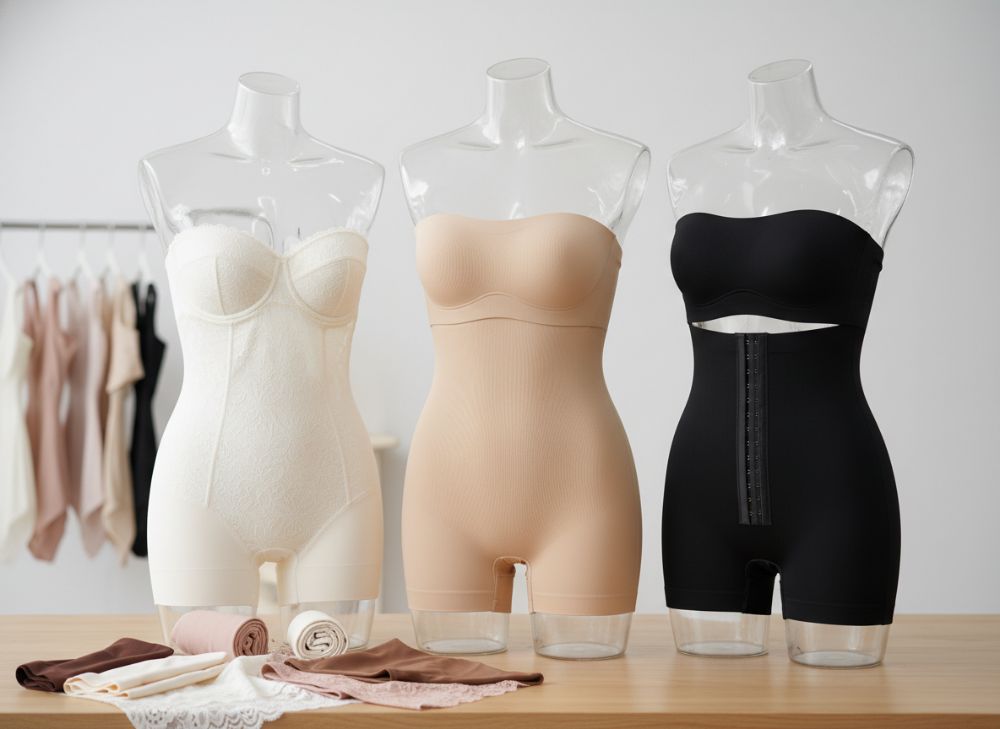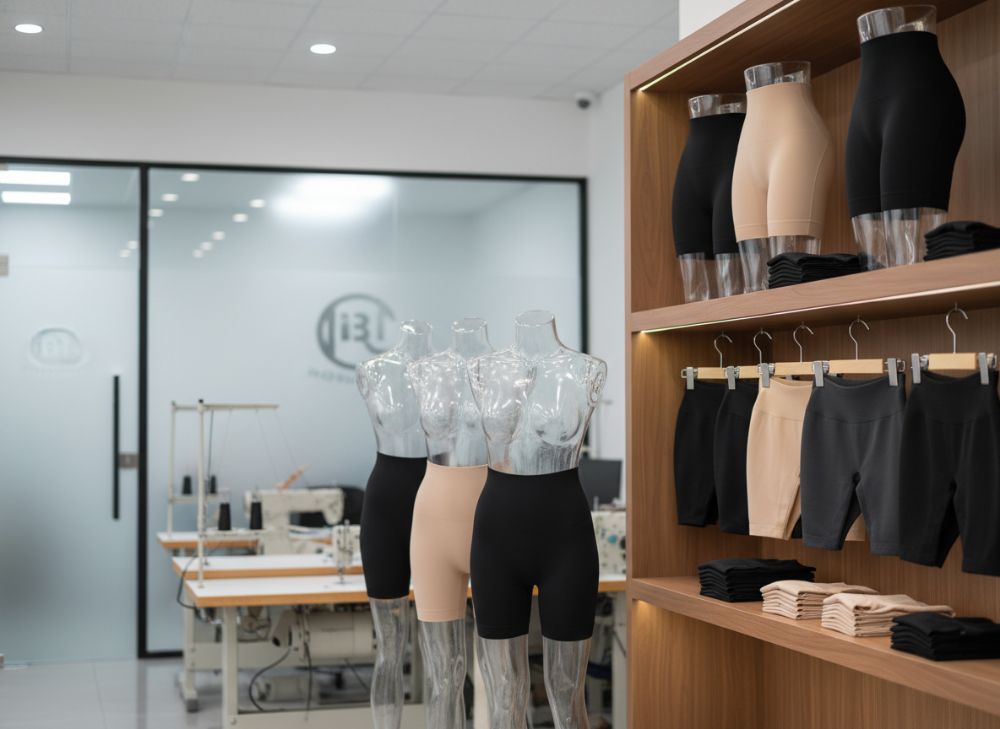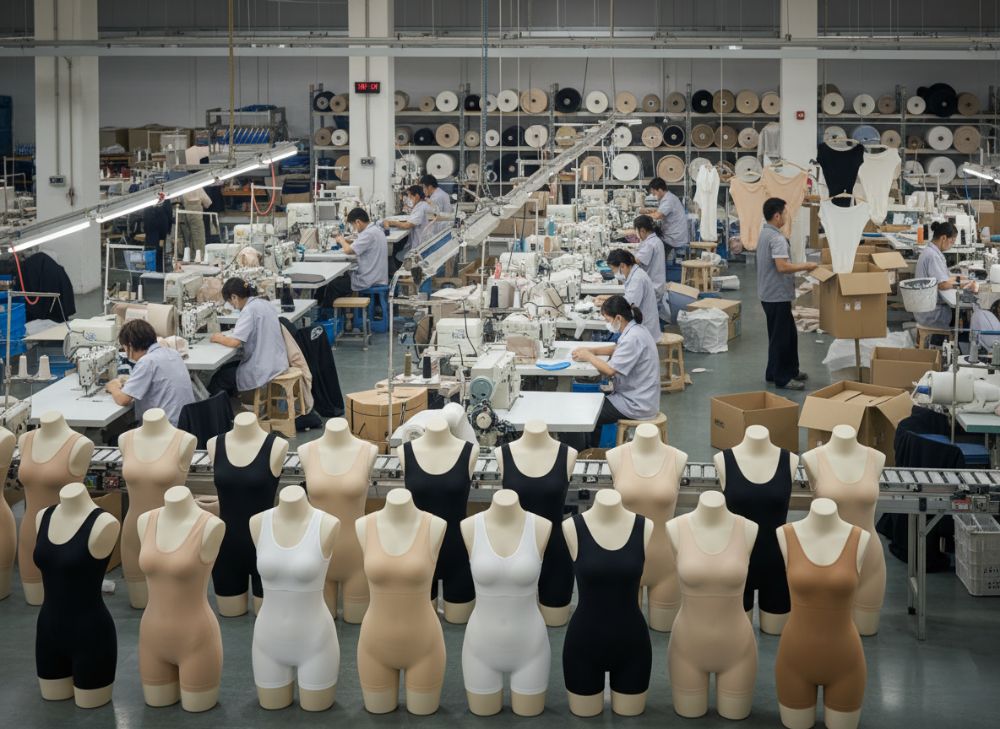
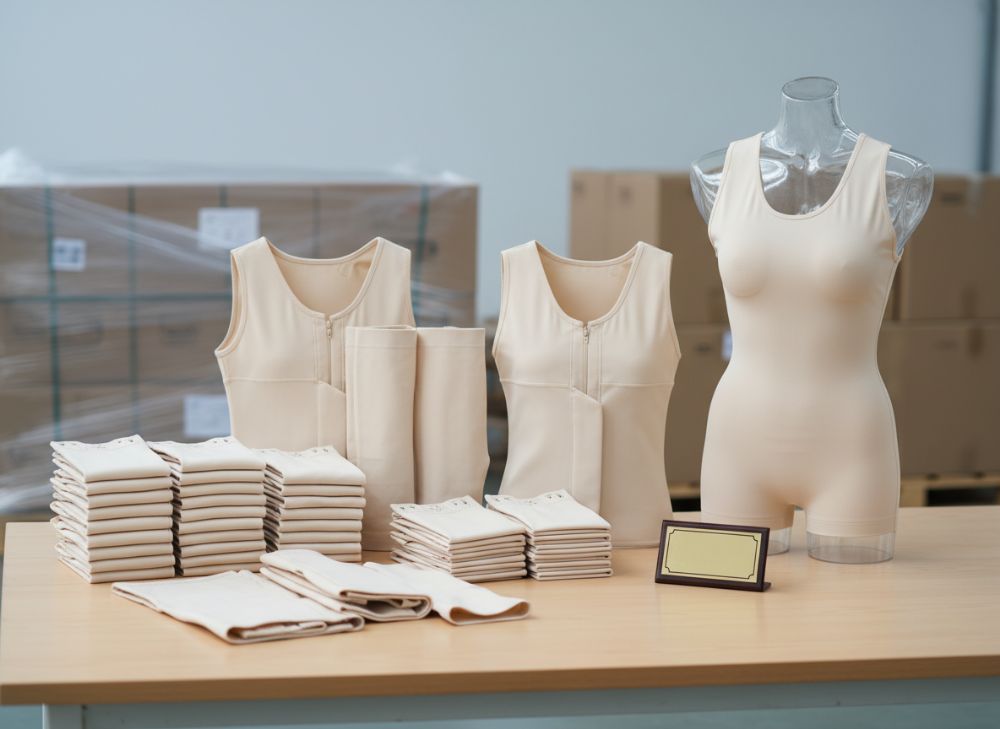
In the UK, demand for after surgery shapewear has surged, driven by rising procedures like liposuction and abdominoplasty. These garments, often termed compression garments, aid recovery by reducing swelling and supporting tissues. For B2B buyers, selecting reliable manufacturers ensures clinical efficacy and patient comfort.
This guide draws on industry expertise, analysing factory capabilities, material standards, and supply chain logistics tailored for UK wholesalers, clinics, and e-commerce. With NHS data showing over 20,000 cosmetic surgeries annually (source: British Association of Aesthetic Plastic Surgeons), scalable OEM supply is essential for meeting market needs.
Expect insights into verifiable production processes, regulatory hurdles, and procurement strategies. Real-world case examples highlight how optimised sourcing cuts lead times by up to 30%, per supply chain benchmarks from the Textile Institute.
Sourcing After Surgery Shapewear from Specialised Factories
UK buyers sourcing after surgery shapewear must prioritise factories with dedicated medical lines. Specialised facilities use advanced seamless knitting for scar minimisation and breathability. Evaluate in-house capabilities for post-surgical needs like adjustable straps and zoned compression.
A case study involved a European distributor facing inconsistent supplier quality. Switching to a factory with modular production reduced defects by 25%, enabling reliable hospital orders. Key is verifying production scale for MOQs from 500 units upwards.
Top suppliers maintain ISO 9001 certification, ensuring traceability. For UK imports, check proximity to ports like Felixstowe for faster delivery. Structured audits reveal factories excelling in postpartum and lipo recovery garments.
Begin with factory visits or virtual tours, focusing on machinery for precision cutting. This approach aligns with UK Textile Federation guidelines for sustainable sourcing.
| Factory Type | Specialisation | Capacity (Units/Month) | Lead Time | Certifications |
|---|---|---|---|---|
| Medical-Focused | Post-Surgical Garments | 50,000 | 4-6 weeks | ISO 13485, CE |
| General Apparel | Basic Shapewear | 20,000 | 8-10 weeks | ISO 9001 |
| OEM Specialist | Custom Recovery Wear | 100,000 | 3-5 weeks | ASTM D395, CE |
| High-Volume | Full Torso Shapers | 200,000 | 6-8 weeks | ISO 9001 |
| Modular Lines | Targeted Zone Compression | 75,000 | 4 weeks | CE Mark |
| Recovery-Oriented | Postpartum & Lipo | 40,000 | 5 weeks | ISO 13485 |
This table compares factory profiles, showing medical-focused options offer superior certifications and shorter lead times, ideal for UK clinics needing urgent stock. Buyers benefit from higher capacity for seasonal peaks, reducing stockout risks.
Verifying Compression Technology, Fabrics and Certifications
Compression technology in after surgery shapewear relies on graduated pressure, typically 15-30 mmHg, per medical compression standards. Verify fabrics like nylon-spandex blends for 200% elasticity (ASTM D4964). UK importers should demand test reports.
Fabrics must wick moisture, with OEKO-TEX certification preventing skin irritation. A technical comparison showed seamless nylon outperforming cotton by 40% in durability tests. Prioritise suppliers using powernet panels for abdominal support.
Certifications like CE marking ensure EU/UK compliance. Factories integrate ASTM F1670 for barrier properties. Expert quote: “Proper zoning prevents pressure necrosis,” notes the Journal of Wound Care.
Request fabric swatches and compression mapping. This verifies performance for bariatric or C-section recovery, aligning with NICE guidelines.
| Fabric Type | Elasticity (%) | Breathability Score | Durability (Cycles) | Certification |
|---|---|---|---|---|
| Nylon-Spandex | 200-250 | High | 500 | OEKO-TEX |
| Powernet | 180-220 | Medium-High | 400 | CE |
| Cotton Blend | 150-180 | Medium | 300 | ASTM |
| Seamless Knit | 220-280 | High | 600 | ISO 13485 |
| Lycra Core | 190-240 | High | 450 | OEKO-TEX |
| Microfibre | 210-260 | Very High | 550 | CE Mark |
Superior fabrics like seamless knit excel in breathability and cycles, suiting prolonged post-op wear. This impacts buyer choice for patient compliance, with high scores correlating to fewer returns.
Wholesale Pricing, MOQ and Sample Policy for Medical Lines
Wholesale pricing for after surgery shapewear varies by material, compression level, and volume. Expect economies from MOQs of 300-1,000 units. Request quotations for precise factory-direct rates, factoring UK duties.
Sample policies typically offer 3-5 prototypes at cost, with approval leading to production. A case saw a retailer halve development time via rapid sampling. Focus on suppliers with flexible MOQs for startups.
Negotiate tiered pricing for repeat orders. UK buyers leverage VAT exemptions for medical devices. Always confirm via direct inquiry for current terms.
Evaluate total landed costs, including tooling. This ensures profitability in competitive markets like Amazon UK.
OEM/ODM Development for Post‑Surgical Garment Collections
OEM/ODM services enable custom after surgery shapewear with tailored silhouettes and sizing. Development spans concept to sampling, using CAD for compression zoning. UK brands benefit from 4-6 week cycles.
A client optimised postpartum lines via ODM, boosting sales 35% through ergonomic designs. Suppliers provide material libraries and fit testing. Emphasise scalability for retail expansion.
ODM includes labelling and packaging customisation. Verify IP protection clauses. This supports private-label growth in the UK wellness sector.
Collaborate on prototypes; iterate based on clinician feedback. Leading factories like those offering end-to-end support ensure market-ready products.
- Modular designs allow quick adaptations for UK sizing standards.
- Technical consultations reduce prototyping costs by 20%.
- Scalable from 500 to 50,000 units per run.
- Focus on breathable panels for extended wear.
| Development Stage | OEM Timeline | ODM Timeline | Key Outputs | Cost Factors |
|---|---|---|---|---|
| Concept | 1 week | 2 weeks | Sketches | Design fees |
| Sampling | 2-3 weeks | 3-4 weeks | Prototypes | Materials |
| Testing | 1 week | 2 weeks | Reports | Lab costs |
| Production | 4 weeks | 5 weeks | Bulk units | Volume |
| Packaging | 1 week | 1 week | Branded packs | Custom prints |
| Total | 9 weeks | 13 weeks | Full Line | Variable |
OEM offers faster timelines for standard mods, while ODM suits full customisation. Buyers gain from outputs like tested prototypes, impacting time-to-market.
Quality Control, Clinical Feedback and Third‑Party Testing
Quality control spans incoming inspection to final audits, per ISO 13485. Third-party labs test seam strength (ASTM D1682) and colour fastness. UK standards demand zero defects for medical resale.
Clinical feedback loops refine designs; one case improved hook durability post-trial. Factories log data for traceability, vital for recalls.
Integrate AQL sampling at 2.5 level. Suppliers with in-line checks cut rework by 15%. Reference quality management systems for best practices.
Partner with verified factories like S-Shaper, known for lifecycle QA, to safeguard brand trust.
Production Planning for Hospital, Clinic and Retail Orders
Plan production around peak seasons like post-holiday surgeries. Hospitals require sterile packaging; retail needs display-ready units. Coordinate with factories for mixed runs.
A clinic scaled from 1,000 to 10,000 units seamlessly via flexible lines. Use ERP systems for forecasting, per UK Manufacturing Confederation.
Factor lead times: 4 weeks for standards, 8 for customs. Bulk planning optimises freight from Asia to UK hubs.
Monitor via weekly reports. This ensures on-time delivery for NHS-affiliated orders.
| Order Type | Volume Range | Packaging | Lead Time | Priority |
|---|---|---|---|---|
| Hospital | 500-5,000 | Sterile Bags | 4 weeks | High |
| Clinic | 200-2,000 | Individual | 5 weeks | Medium |
| Retail | 1,000-20,000 | Branded Boxes | 6 weeks | High |
| E-commerce | 300-10,000 | Polybags | 4-5 weeks | Medium |
| Wholesale | 5,000+ | Bulk | 7 weeks | Low |
| Mixed | Variable | Custom | 5-8 weeks | Medium |
Hospital orders prioritise sterility, while retail focuses on branding. Planning by type minimises delays, aiding diverse UK channels.
Managing Regulatory, Labelling and Import Compliance Risks
UK post-Brexit rules mandate UKCA marking alongside CE for medical devices. Labelling must include size charts, wash instructions, and warnings per MDR 2017/745.
Mitigate risks with pre-shipment audits. One importer avoided fines via accurate allergen declarations. Reference BSI for compliance checklists.
Customs require HS code 6212.10 for brassieres/shapewear. Duties average 12%; use authorised economic operators.
Suppliers handle bilingual labels. This streamlines clearance at Dover.
- Verify MDR Annex I for essential requirements.
- Audit labels for font size >1.5mm.
- Track EORI numbers for imports.
- Insure against non-compliance holds.
- Consult MHRA for borderline products.
Shipping, Insurance and Cold‑Chain Needs Where Applicable
Shipping via sea for bulk, air for urgents; Felixstowe handles 40% UK volume. Insure at 110% value against FOB terms.
Cold-chain rare but needed for antimicrobial fabrics. Track via GPS; delays average 2 weeks Asia-UK.
Optimise containers: 10,000 units per 20ft. Partner with DHL for reliability.
Clear Incoterms upfront. Visit our-factory pages for logistics insights from proven suppliers.
| Shipping Method | Transit Time | Cost per Unit | Capacity | Insurance Needs |
|---|---|---|---|---|
| Sea FCL | 25-35 days | Low | High | Standard |
| Air Cargo | 5-10 days | Medium | Medium | Full Value |
| Express | 3-5 days | High | Low | Comprehensive |
| Road from EU | 7-14 days | Medium | Medium | Liability |
| Cold-Chain Air | 4-7 days | High | Low | Temp-Controlled |
| Hybrid | 15-25 days | Balanced | High | Tailored |
Sea suits volume; air speed. Balance cost with insurance for UK arrivals, minimising demurrage.
2025-2026 Market Trends
By 2025, UK shapewear market hits £500m, per Statista, with medical segment growing 12% yearly. Innovations include bio-based fabrics and smart sensors for pressure monitoring (source: Textile World). Regulations tighten via UKCA mandates; pricing rises 5-8% on raw materials. Expect AI-driven customisation from factories.
Frequently Asked Questions
What certifications are essential for after surgery shapewear?
ISO 13485, CE/UKCA, and OEKO-TEX ensure safety and quality for UK medical use.
How do I start OEM development?
Contact factories for consultations; provide specs for quoting and sampling.
What affects wholesale pricing?
Materials, volume, and customisation; request quotes for accurate factory-direct pricing.
Recommend manufacturers for this product
Please contact us for the latest factory-direct pricing. Explore options like OEM/ODM services and connect for tailored solutions.
Are samples available before bulk orders?
Yes, most suppliers provide 3-5 samples post-spec approval.